Definition & Meaning
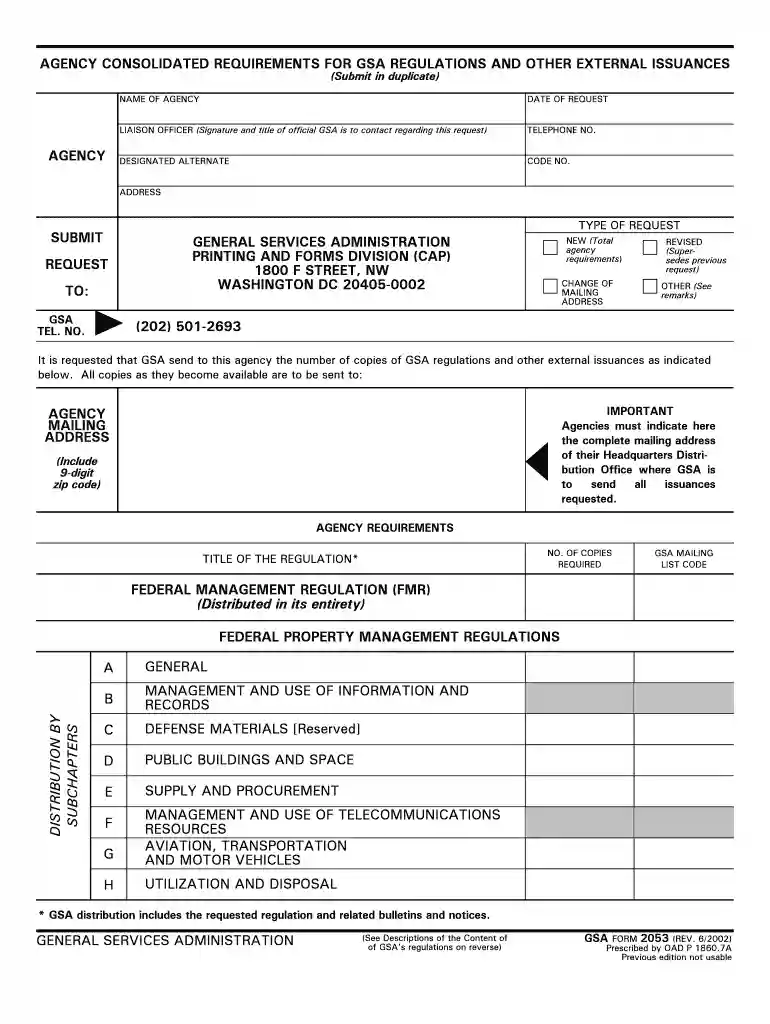
Writing GSA External Directives encompasses the process of developing and managing directives that guide governmental agency activities, specifically under the General Services Administration (GSA). These directives are critical for ensuring compliance with existing regulations and the efficient execution of administrative tasks. The directives might cover policies related to property management, telecommunications, and administrative services, aligned with the Federal Management Regulation (FMR) and Federal Property Management Regulations (FPMR).
Key Elements of the Writing GSA External DirectivesGSA
Understanding the structure and content of GSA External Directives is crucial for effective implementation and compliance. Key elements often include:
- Agency Information: Details about the government agency involved in implementing the directives.
- Types of Requests: Specifications on the nature of requests an agency may make, such as copies of regulations or guidance documents.
- Regulatory Context: Extensive coverage of the Federal Management Regulation and Federal Property Management Regulations to ensure alignment with broader policy objectives.
- Implementation Procedures: Step-by-step instructions for applying the directives in daily operations.
Steps to Complete the Writing GSA External DirectivesGSA
To effectively draft these directives, following a structured process is essential:
- Preliminary Research: Gather necessary background information on relevant GSA policies and current compliance requirements.
- Drafting the Directive: Outline the purpose, scope, and policy details of the directive, ensuring alignment with FMR and FPMR.
- Review and Feedback: Circulate the draft among stakeholders for feedback and incorporate necessary revisions.
- Finalization and Approval: Obtain necessary approvals from relevant authorities within the GSA.
- Implementation Guidance: Develop detailed guidelines to aid in the adoption and practical application of the directive.
Who Typically Uses the Writing GSA External DirectivesGSA
Various stakeholders within government agencies utilize these directives:

- Policy Analysts: To align agency regulations with federal standards.
- Compliance Officers: To ensure adherence to governmental and inter-agency policies.
- Administrative Staff: Responsible for operational implementation and oversight.
- Regulatory Bodies: Monitoring agency compliance with established guidelines.
Legal Use of the Writing GSA External DirectivesGSA
The directives must conform to legal standards, ensuring compliance and governance:
- ESIGN Act Compliance: Electronic documents and directives are legally binding under this act.
- Federal Compliance: Directives should adhere to national laws and GSA regulations to avoid penalties or non-compliance consequences.
- Confidentiality: Safeguard sensitive information as per federal guidelines to maintain integrity and confidentiality.
Examples of Using the Writing GSA External DirectivesGSA
Several scenarios illustrate the application of GSA External Directives:
- Property Management: Agencies ensure asset utilization aligns with FPMR standards.
- Telecommunications: Implementation of protocols as per current federal telecommunication guidelines.
- Administrative Efficiency: Streamlining processes by adopting standardized administrative practices.
Required Documents
When drafting or applying the directives, essential documents include:
- Existing GSA Directives: For reference and alignment with new directives.
- Agency-Specific Regulations: To tailor directives to agency needs.
- Feedback and Review Forms: To streamline the review and approval process.
Form Submission Methods
Different methods facilitate the submission and dissemination of GSA External Directives:
- Online Platforms: Digital platforms for drafting, reviewing, and distributing the directives within and between agencies.
- In-Person Briefings: For sensitive or highly complex directives requiring detailed explanations.
- Mail Distribution: For agencies preferring or requiring physical documentation.
Digital vs. Paper Version
The choice between digital and paper versions of GSA directives impacts accessibility and practicality:
- Digital Version: Offers flexibility, easy updates, and broad dissemination through electronic means.
- Paper Version: Essential for official records, where physical documentation is legally or operationally preferred.