






Definition & Purpose of the US Government Passenger Transportation Handbook - GSA
The "US Government Passenger Transportation Handbook - GSA" is an essential guide provided by the General Services Administration (GSA) that outlines the rules, procedures, and responsibilities associated with government passenger transportation services. It serves as a comprehensive resource for federal employees, detailing the correct processes for procuring and managing transportation services like rental cars, public transit, and commercial flights. This handbook ensures that transportation arrangements are made in compliance with federal regulations, promoting efficiency and cost-effectiveness across government entities.
How to Use the Handbook Effectively
To maximize the utility of the US Government Passenger Transportation Handbook, start by identifying the sections most relevant to your transportation needs. The handbook is structured to address various scenarios, such as booking commercial flights or managing fleet vehicles. It is crucial to:
- Familiarize yourself with the guidelines outlined for different modes of transportation.
- Understand the responsibilities and limitations assigned to government employees regarding transportation.
- Use the handbook as a reference when planning and submitting transportation requests to ensure compliance and avoid misunderstandings.
Accessing the US Government Passenger Transportation Handbook - GSA
Obtaining the US Government Passenger Transportation Handbook is straightforward, as it is available digitally through the GSA's official website. Federal employees can access a downloadable PDF version, ensuring they have an up-to-date copy readily available. Additionally, hard copies may be requested from the GSA for those who prefer a physical version. Access is typically restricted to government employees and authorized personnel to maintain the integrity and security of the information.
Completing Procedures with the Handbook
Following the handbook's procedures involves understanding its structured approach to transportation logistics. The steps include:
- Reviewing eligibility criteria for using government transportation services.
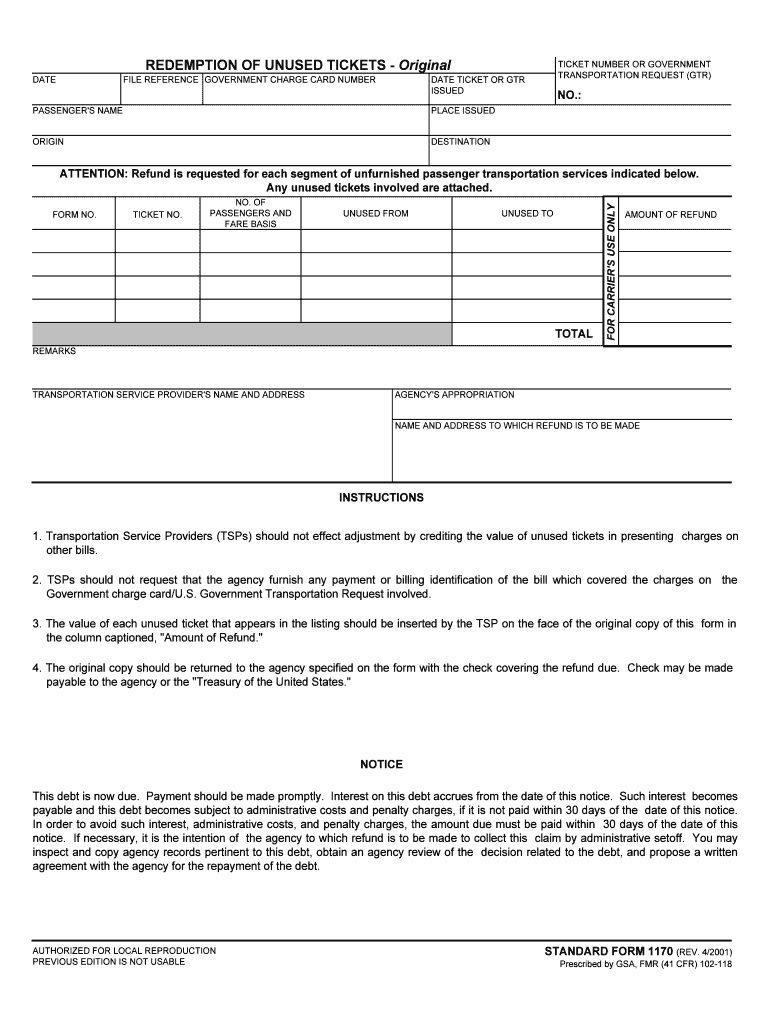
- Submitting requests through the appropriate channels as outlined in the handbook.
- Ensuring all required documentation is completed and attached where necessary.
- Adhering to deadlines and submission protocols to avoid delays.
Each step is critical to the seamless execution of transportation-related tasks within government operations.
Why Use the Handbook
Utilizing the US Government Passenger Transportation Handbook is vital for several reasons:
- It provides standardized procedures for federal transportation, ensuring uniformity.
- It helps avoid compliance issues and potential legal ramifications.
- Following the guidelines helps optimize government resources and budget.
- It enhances the understanding of entitlements and limitations associated with transportation services provided to government employees.
Primary Users of the Handbook
The handbook is primarily used by federal employees responsible for arranging and managing government transportation services. This includes administrative assistances, travel coordinators, fleet managers, and employees in various government departments who require transport for official duties. These users rely on the handbook to ensure all transportation activities align with federal requirements and best practices.
Key Terminology in the Handbook
Understanding the critical terms used in the handbook is essential for efficient comprehension and execution of its directives:
- Procurement: The process of acquiring transportation services following government procurement laws.
- Fleet Management: Refers to the administration of the government-owned vehicle fleet used for official purposes.
- Authorization: Official permission required before procuring transportation services.
The glossary section of the handbook should be referenced regularly to ensure clarity regarding the mentioned terms.
Legal Usage of the Handbook
Legal adherence is paramount when using the US Government Passenger Transportation Handbook. The guidelines within align with federal statutes and regulations, and non-compliance can lead to significant consequences, such as the suspension of transportation privileges or legal action against the federal employee or department. Those using the handbook must be aware of the legal implications of not following prescribed processes and requirements.
Key Elements Highlighted in the Handbook
Several critical elements are detailed in the handbook, including:
- Transportation modes covered, such as commercial air, government vehicles, and public transport.
- Cost management strategies to ensure budget-friendly options are prioritized.
- Travel entitlements and reimbursements eligible to government employees.
These elements help users plan and execute efficient, compliant transportation services.
State-Specific Guidelines
While the handbook offers federal-level guidance, some states may have additional requirements or regulations affecting transportation services used by government employees. It is crucial for users to verify any state-specific guidelines that might complement or affect the instructions outlined in the federal handbook. Cross-referencing with regional resources ensures full compliance with both federal and state regulations.