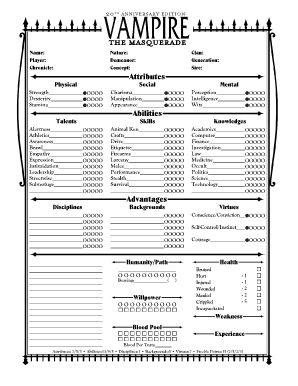
Definition and Meaning of (Internal Document Only
The "(Internal Document Only" is typically used within organizations to manage internal processes related to employees or operations. This document often serves to formalize actions such as employee status changes, terminations, or internal transfers. While it is not intended for public dissemination, understanding its structure and purpose can enhance efficiency in handling personnel management tasks. The document typically contains fields for current and proposed statuses, detailed data entries related to the employee or process, and sections for approvals from necessary authorities to ensure compliance with organizational protocols.
Steps to Complete the (Internal Document Only
Completing the "(Internal Document Only" involves a structured approach to ensure all necessary details are accurately captured. Here is a detailed breakdown:
-
Review Existing Information: Begin by examining the current data related to the employee or subject of the document. This includes employment details, current role, or existing conditions.
-
Fill Current Status Fields: Provide accurate information about the present status, including job titles, department affiliations, or existing agreements.
-
Propose Changes: Enter new data for any proposed changes, such as promotions, departmental transfers, or new project allocations.
-
Provide Additional Context: Utilize sections for additional information to explain reasons for proposed changes, impact assessments, and alignment with organizational goals.
-
Secure Necessary Approvals: The final section requires signatures or approvals from relevant management or HR personnel to validate the document. Ensure the document complies with internal approval workflows to avoid delays.
How to Obtain the (Internal Document Only
Accessing the "(Internal Document Only" usually involves internal channels within the organization. Here are steps to obtain it:
-
Determine Need: Ensure the document is required for your specific situation. This might relate to a departmental change, employee status update, or similar need.
-
Access Internal Portals: Use the company's employee portal or document management system to locate the form. Many organizations store such documents in a central repository for easy access.
-
Contact Human Resources: If the document is not directly accessible, the HR department can provide guidance or deliver the necessary form.
-
Request from Manager: Alternatively, a direct request to a line manager can facilitate acquiring the document as they might have direct access or can assist in the request process.
Why Use the (Internal Document Only
The "(Internal Document Only" is integral to maintaining organized and transparent internal procedures. Here are key reasons for its use:
-
Standardizes Documentation: Provides a consistent format for documenting internal actions, ensuring clarity and precision in communication.
-
Ensures Accountability: The requirement for approvals and signatures ensures accountability and traceability of decisions and changes implemented.
-
Facilitates Internal Communication: Acts as a straightforward method to communicate changes or updates to all relevant parties within the organization.
-
Supports Compliance: Helps the organization comply with regulatory standards or internal policies, especially during audits or reviews.
Key Elements of the (Internal Document Only
The document comprises several critical elements that support internal processes:
-
Employee Information: Contains fields for entering detailed employee information or other relevant parties involved.
-
Proposed and Current Status Sections: Clearly demarcate current status and any proposed changes to ensure each step is transparently documented.
-
Reason for Changes: A section dedicated to explaining the rationale behind suggested adjustments or actions.
-
Approval and Signatures: Areas allotted for collecting necessary approvals, ensuring that the document meets compliance standards within the organization.
Who Typically Uses the (Internal Document Only
The primary users of the "(Internal Document Only" vary across the organization, including:
-
Human Resources Teams: HR personnel utilize this document for processing employee-related actions, including promotions, transfers, or status modifications.
-
Department Managers: Managers initiate this document to reflect workforce changes within their teams or departments.
-
Administrative Staff: Support personnel access and manage these documents to ensure organizational consistency and compliance with internal standards.
-
Executive Approvers: High-level management or executive teams provide final approvals, signifying organizational alignment with proposed actions.


Important Terms Related to (Internal Document Only
Understanding the language used within the "(Internal Document Only" can aid in precise completion:
-
Current Status: The existing condition or set of details about the subject before any changes are implemented.
-
Proposed Change: New information or adjustments suggested for implementation within the organization.
-
Authorization: Signatures or approvals needed from specific personnel to validate document actions.
-
Compliance: Adherence to internal policies or statutory requirements through proper documentation and approval processes.
Form Submission Methods
Once completed, the "(Internal Document Only" must be submitted through certain channels:
-
Digital Submission: Utilize company intranet or document workflow systems for online submissions, favored due to ease of use and digital traceability.
-
Manual Submission: Printed copies can be manually signed and submitted through direct delivery to the HR or relevant department.
-
Email Delivery: Scan and email the completed document to appropriate approving authorities for electronic review and approval.
Penalties for Non-Compliance
Non-compliance related to the "(Internal Document Only" can result in organizational repercussions:
-
Operational Delays: Improper completion or unauthorized changes may lead to delays in implementing approved actions, affecting department efficiency.
-
Audit Issues: Inadequate documentation can lead to negative feedback during internal or external audits.
-
Potential Disciplinary Action: Failing to adhere to documentation protocols may result in disciplinary measures depending on company policy.
By understanding and correctly utilizing the "(Internal Document Only," organizations can ensure streamlined internal processes and maintain necessary compliance while effectively managing personnel actions.