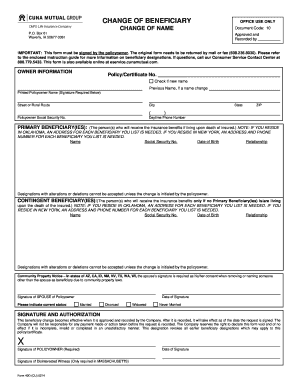
Definition and Meaning
The form "This document summarizes the best practices for Texas" represents a formal guide or document detailing recommended procedures and guidelines tailored for Texas-based entities or practices. It typically includes region-specific strategies that align with the state's legal, cultural, and operational frameworks. Best practices documents, such as these, are essential for organizations aiming to maintain compliance, improve efficiency, and optimize performance by adhering to established standards recognized within the Texas jurisdiction.
Steps to Complete the Document
-
Identify the Purpose: Clearly define the objectives of summarizing the best practices for Texas. Determine whether it's for legal compliance, operational efficiency, or strategic planning.
-
Research and Gather Information: Collect comprehensive data and insights relevant to Texas' legislative, cultural, and industrial standards. This may involve consulting government publications, industry reports, and expert analyses.
-
Drafting the Document: Begin with a structured outline that includes sections such as legal guidelines, operational procedures, and strategic initiatives specific to Texas.
-
Review and Revise: Conduct a thorough review of the document to ensure accuracy, clarity, and completeness. Engage with stakeholders for feedback.
-
Finalize and Implement: Once revised, the document should be finalized and distributed to relevant parties for implementation as a guiding framework.
Key Elements of the Document
-
Legal Guidelines: Addresses compliance with Texas laws and regulations, ensuring that practices align with state mandates.
-
Operational Standards: Includes procedures and protocols specific to Texas that enhance operational efficiency and effectiveness.
-
Cultural Considerations: Emphasizes understanding and integrating cultural nuances specific to Texas that impact communication and engagement strategies.
-
Strategic Initiatives: Details proactive measures and frameworks that align with Texas' economic and social objectives.
Important Terms Related to the Document
-
Compliance: Adherence to Texas state laws and regulations governing practices within the jurisdiction.
-
Framework: A structured approach that outlines the best practices relevant to Texas.
-
Standards: Benchmarks or criteria used to measure and guide practices within Texas.
-
Guidelines: Recommended directions or advice that are specific to Texas' operational and regulatory environment.
Who Typically Uses the Document
-
Businesses and Corporations: Seeking to operate in Texas with adherence to local standards and practices.
-
Educational Institutions: Implementing best practices for administration and management specific to Texas, such as Texas Christian University's digital presence guidelines.
-
Government Agencies: Ensuring state initiatives and operations align with documented best practices.
-
Legal Practitioners: Utilizing the document to guide compliance with Texas laws and practices.


State-Specific Rules for the Document
Texas-specific rules may include:
-
Regulatory Compliance: Ensuring practices adhere to state-level laws that may differ from federal or other states’ regulations.
-
Operational Adaptations: Recommendations for adjusting organizational operations to meet Texas’ economic and cultural expectations.
-
Industry-Specific Guidelines: Best practices tailored to particular sectors significant in Texas, such as the energy industry.
Digital vs. Paper Version
-
Digital Version: Offers easy distribution, real-time updates, and enhanced accessibility, critical for dynamic environments where quick adjustments are needed.
-
Paper Version: Might be necessary for legal documentation, archival purposes, or contexts where digital access tools are limited.
In Texas, the choice between digital and paper versions can depend on industry norms, regulatory requirements, or personal preference.
Penalties for Non-Compliance
Not adhering to the outlined best practices in Texas can result in:
-
Fines and Sanctions: Legal consequences imposed by state authorities for failing to adhere to Texas-specific regulations.
-
Operational Halts: Mandatory cessation of activities until compliance is ensured.
-
Reputation Damage: Loss of trust and credibility within the Texas community, impacting long-term business relationships and opportunities.
Understanding and integrating these penalties are crucial for maintaining adherence to Texas' best practices and avoiding potential pitfalls.