Definition & Meaning
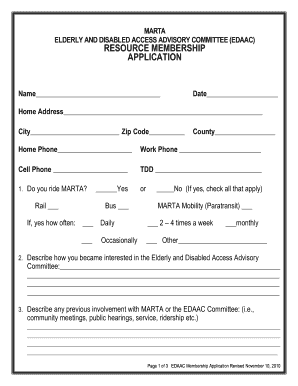
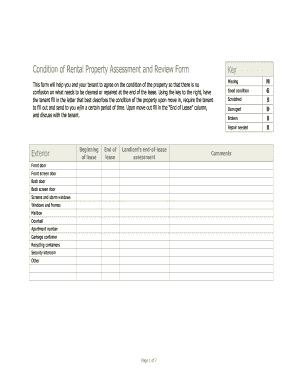
A housing assessment template is an organized framework used to gather essential information regarding housing needs and stability for individuals transitioning into or out of permanent housing. This document is particularly used to assess the housing requirements of formerly homeless individuals and those at risk of homelessness. By providing detailed insights into personal details, housing types, reasons for relocation, and current living conditions, it offers a comprehensive view of a person’s housing situation, facilitating informed decision-making for service providers.
How to Use the Housing Assessment Template
Using the housing assessment template effectively involves several key steps to ensure comprehensive data collection. This template serves as a guide during interviews or assessments, where each section needs to be completed with detailed and accurate information. Typically, a staff member or case worker familiar with housing support services will conduct the assessment. As the form proceeds, the assessor captures specific responses from the individual, ensuring all relevant sections are filled out accurately. This includes noting particular vulnerabilities and needs, which are essential for tailoring housing support services effectively.
Practical Example
Consider a situation where an individual is transitioning from temporary shelter to permanent housing. The assessor will begin by filling in personal details, followed by assessing the current housing situation, such as temporary shelter conditions and how long they have been there. This template also allows for identifying specific barriers, such as lack of employment or health issues, providing a clearer picture of what support mechanisms need to be in place.
Steps to Complete the Housing Assessment Template
-
Gather Personal Information: Start by filling out the individual's personal details, including name, date of birth, and contact information. This baseline data is crucial for identifying and tracking the individual's assessment over time.
-
Document Current Housing Situation: Capture details about the current living arrangement, including housing type and duration of stay. This helps in evaluating housing stability and potential risks of homelessness.
-
Detail Housing History: Provide a historical account of previous housing situations, reasons for changing residences, and any patterns in housing instability. This section assists in understanding long-term needs and behavioral patterns affecting housing stability.
-
Identify Needs and Challenges: Discuss and document specific challenges or needs such as financial constraints, disability, or family obligations that impact housing decisions.
-
Outline Housing Preferences: Record the individual's preferences for housing types and locations. This can include specific needs related to proximity to work, schools, or support networks.
Key Elements of the Housing Assessment Template
The housing assessment template comprises several critical sections that must be thoroughly filled to gain meaningful insights into an individual's housing needs.
- Personal Details: Includes fundamental information like name, birthdate, and contact details to establish the identity of the participant.
- Current Living Situation: Captures current housing arrangements and conditions to understand the immediacy of housing needs.
- Housing History: Provides a historical record of past residences, highlighting any patterns or frequent moves that might indicate instability.
- Challenges and Barriers: Identifies specific issues that may hinder the participant's ability to secure stable housing, aiding in developing targeted interventions.
- Housing Preferences: Details the desired housing type and location preferences, which can significantly impact the individual's satisfaction and stability in the long term.
Why Should You Use the Housing Assessment Template
Using a housing assessment template offers several advantages to both service providers and individuals in need of housing support. Primarily, it standardizes the data collection process, ensuring consistency and completeness, which is vital for accurate analysis and service provision. It also facilitates the identification of trends and patterns in housing stability, which could be critical for planning supportive services at a community or organizational level.
Real-World Scenario
In a nonprofit organization focused on reducing homelessness, using the template enables case managers to quickly assess and categorize housing needs. This ensures that they can efficiently allocate resources, such as emergency shelters or transitional housing, to the individuals who need them most urgently.
Who Typically Uses the Housing Assessment Template
The housing assessment template is indispensable for various professionals involved in housing support services. These include social workers, housing service coordinators, nonprofit organizations focusing on homelessness prevention, and government agencies tasked with managing public housing resources. These stakeholders utilize the template to gather consistent data, which informs decisions about interventions and resource allocations.


Important Terms Related to Housing Assessment Template
- Housing Stability: Refers to the consistency and security of an individual's housing situation over time.
- Transitional Housing: Temporary accommodation designed to bridge the gap from homelessness to permanent housing.
- Supportive Housing: Combines affordable housing with services that help people who face the most complex challenges to live with stability.
- Vulnerabilities: Factors that increase the risk of homelessness, such as disability, unemployment, and lack of access to healthcare.
Legal Use of the Housing Assessment Template
The housing assessment template must be used in compliance with applicable privacy and data protection laws, such as the Health Insurance Portability and Accountability Act (HIPAA) if used in conjunction with health services. Organizations using this template should ensure that they have proper consent from individuals before collecting personal data. This involves explaining the purpose of data collection and ensuring that information is only shared with authorized personnel.
Detailed Context
For housing assessments conducted within government-funded programs, adherence to federal guidelines regarding data protection and reporting is essential. Failing to follow these protocols could lead to legal consequences and loss of funding.
State-Specific Rules for the Housing Assessment Template
Each state may have specific rules and regulations concerning housing assessments, influenced by state laws and the availability of resources. For instance, California might have regulations that address rent control differently than in Texas, impacting how housing assessments are conducted and implemented.
Variations and Examples
A housing assessment in New York might require additional information on rent history due to state regulations on rent stabilization. In contrast, assessments in rural states might focus more on accessibility to essential services like healthcare and transportation, reflecting the different priorities and available resources.