Definition and Meaning of the Petition Motion to Modify Custody Visitation - mdcourts
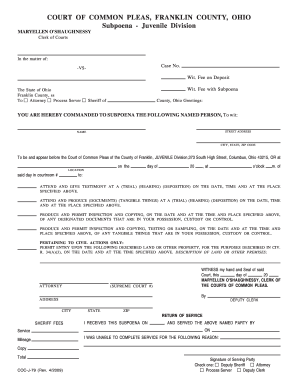
The Petition Motion to Modify Custody Visitation in Maryland Circuit Courts is a legal document used to request changes to existing court orders regarding child custody and visitation arrangements. This form enables the petitioner to officially articulate the need for adjustment due to changed circumstances since the original order was established. The process considers the best interests of the child, requiring the petitioner to provide evidence or reasons why a modification is crucial, such as shifts in the living situation, parental responsibilities, or the health and welfare of the child.
Key Components of the Form
- Petitioner Details: Information including parent or guardian’s identity and relationship to the child.
- Current Custody Arrangement: Outline of existing legal and physical custody as determined by earlier court orders.
- Requested Changes: Specific modifications being requested to custody or visitation terms.
- Rationale for Change: Explanation of changed circumstances prompting the petition for modification.
- Related Legal Matters: Disclosure of any other ongoing or past litigation related to custody disputes.
Steps to Complete the Petition Motion to Modify Custody Visitation - mdcourts
- Gather Required Information: Collect all relevant court orders, your relationship with the child, and details of any changes in circumstances.
- Download the Form: Access the official Petition Motion form through the Maryland Courts website or a legal document service.
- Fill Out the Form: Complete each section of the form with accurate details including your rationale for seeking a modification.
- Attach Supporting Documents: Provide documentation that supports your request, such as updated custody evaluations, financial records, or reports from child welfare professionals.
- Submit the Form: File the completed form and all attachments with the appropriate Circuit Court. Most jurisdictions allow for in-person, mail, or online submissions.
Legal Use of the Petition Motion to Modify Custody Visitation - mdcourts
The form is a critical tool in family law proceedings within Maryland, allowing individuals to legally request and document changes to custody arrangements based on new circumstances. It ensures that all parties, including the court, receive formal notice of the requested change. By following this procedure, the petitioner initiates a legal review of the existing custody order and seeks a judicial hearing to determine if modification is warranted. Legal counsel is recommended to navigate complex dynamics and advocate effectively for the petitioner’s interests.
Important Terms Related to Petition Motion to Modify Custody Visitation - mdcourts
- Best Interests of the Child: A legal standard used to determine what arrangement serves the child’s health, safety, and emotional well-being.
- Primary Physical Custody: Designation indicating which parent the child primarily resides with.
- Visitation Rights: Scheduled time allocated for the non-custodial parent to spend with the child.
- Material Change in Circumstances: A significant change that impacts current custody or visitation, necessitating a reevaluation.
- Joint Custody: Shared responsibility between both parents over the child’s physical care and legal decisions.
Why You Should Petition Motion to Modify Custody Visitation - mdcourts
Filing a Petition Motion is important when significant life changes impact existing custody arrangements. It provides a structured legal avenue to reassess and adjust court orders to better reflect current realities for the child and parents involved. Examples of scenarios that might warrant a petition include alterations in employment, relocation, health issues affecting parental capacity, or changes in the child’s needs. It ensures the legal framework surrounding custody remains current and appropriate.
Who Typically Uses the Petition Motion to Modify Custody Visitation - mdcourts
The form is primarily utilized by parents or guardians with established legal relationships to the child who are directly impacted by existing custody orders. It is also used by attorneys representing these individuals in seeking modifications. Occasionally, other family members or legal guardians may petition if they demonstrate a legitimate interest and standing in the welfare of the child. The form is recognized within the state of Maryland’s jurisdiction.


State-Specific Rules for the Petition Motion to Modify Custody Visitation - mdcourts
Maryland has specific statutory guidelines concerning modifications to custody orders. Petitioners must demonstrate a “material change in circumstances” that affects the original custody order’s effectiveness. The state prioritizes the child’s welfare, with factors such as stability, emotional security, and developmental needs considered. Jurisdictions may have additional procedural requirements such as mandatory mediation sessions before a court hearing.
Form Submission Methods for the Petition Motion to Modify Custody Visitation
The Maryland court system offers flexible submission options. Forms may be filed:
- Online: For jurisdictions supporting electronic submission, facilitating high convenience and speed.
- Mail: Applicants may mail completed forms to the court.
- In-Person: Directly filing at the courthouse ensures immediate confirmation of submission.
Filing costs and protocols may vary by county, necessitating confirmation with the local court clerk for specific guidance.
Required Documents for the Petition Motion to Modify Custody Visitation - mdcourts
To support the petition, the following documents are typically required:
- Current Custody Orders: Previous court-issued custody documents.
- Evidence of Changed Circumstances: Documentation like employment records, health evaluations, or housing changes.
- Supporting Affidavits: Statements from professionals such as child psychologists or social workers.
- Personal Identification: Proof of identity and relationship to the child.
Providing well-documented evidence strengthens the validity and impact of the petition.