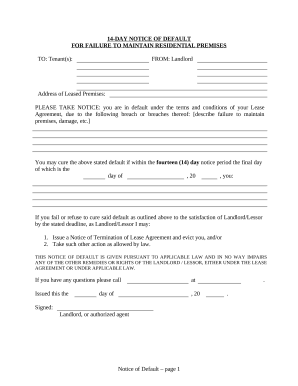
01. Edit your form online
Type text, add images, blackout confidential details, add comments, highlights and more.

Type text, add images, blackout confidential details, add comments, highlights and more.

Draw your signature, type it, upload its image, or use your mobile device as a signature pad.

Send it via email, link, or fax. You can also download it, export it or print it out.
The Consent for Dental Implant Surgery (One Stage, Two Stage) is a legal document that ensures patients are informed about the procedures involved in dental implant surgery. It outlines patients' rights to receive detailed information about the surgical techniques, potential risks, complications, and anesthesia options. This form serves as a formal acknowledgment from the patient, indicating their understanding and agreement to proceed with the dental implant surgery after receiving all necessary information.
To effectively use the Consent for Dental Implant Surgery (One Stage, Two Stage), patients should begin by thoroughly reading the document's content. Pay special attention to sections detailing procedural details, postoperative care instructions, and potential complications. It's crucial to clarify any doubts or questions with the dental professional before signing. Patients should ensure they understand and agree with all elements of the form, including the surgical approach being employed—whether one-stage or two-stage implants—prior to providing their signature.
Providing consent for dental implant surgery is crucial for establishing a clear understanding between the patient and the dental professional. It ensures that patients are fully informed about the procedure and potential risks, which aids in decision-making and promotes transparency. Consent also protects both parties legally, serving as documented proof that the patient agreed to the surgery based on informed understanding.
The legal use of this consent form is primarily to document the patient's informed decision to undergo dental implant surgery. It protects dental practitioners by demonstrating that they have adequately informed the patient, thereby reducing liability. The form is compliant with relevant healthcare regulations, ensuring that patient consent is obtained in a legally sound manner.
Consider a scenario where a dental clinic is conducting a training session for newly hired staff. The training includes a detailed review of the consent form to ensure that staff can effectively communicate its contents to patients. In another case, a patient who is skeptical about potential complications uses the form’s details to discuss concerns with the dentist before proceeding with the surgery.
These examples highlight the form's utility in creating an informed and communicative environment between healthcare providers and recipients. They also illustrate the importance of understanding and clarity in medical consent processes.
We've got more versions of the Consent for Dental Implant Surgery (One Stage, Two Stage form. Select the right Consent for Dental Implant Surgery (One Stage, Two Stage version from the list and start editing it straight away!
| Versions | Form popularity | Fillable & printable |
|---|---|---|
| 2006 | 4 Satisfied (28 Votes) |
At DocHub, your data security is our priority. We follow HIPAA, SOC2, GDPR, and other standards, so you can work on your documents with confidence.