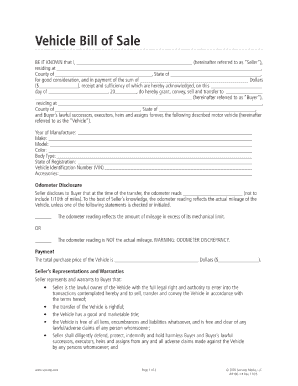
Definition and Meaning of Scanning
Scanning is the process of converting physical documents or images into digital formats. It involves using a scanner, a device that captures the physical object's details and creates an electronic version. This digital representation can be edited, stored, or shared seamlessly. The process ensures that important documents are preserved in a format that takes up less physical space and can be accessed from virtually anywhere. Scanning is essential for businesses and individuals who aim to digitize their workflows.
Steps to Complete the Scanning Process
-
Prepare the Document: Ensure the document is free of dust and wrinkles. Place it on the scanner glass or in the document feeder if using an automatic document feeder (ADF).
-
Choose the Settings: Select the desired resolution, file format (such as PDF or JPEG), and color settings. Most standard documents require a resolution of 300 DPI for clarity.
-
Initiate the Scan: Use the scanner software on your computer to start the scanning process. This may involve pressing a physical button on the scanner or selecting options within the software interface.
-
Review the Digital Copy: Once scanned, review the digital file to ensure that all content is captured clearly and completely.
-
Save and Organize: Save the digital copy to your desired location on your computer. Properly naming and organizing files can aid in easy retrieval and management.
Why Should You Scan Your Documents?
- Space Saving: Scanning documents reduces the need for physical storage, allowing businesses and individuals to save space and reduce clutter.
- Improved Access: Digitized documents can be accessed from any location with internet connectivity, facilitating remote work and collaboration.
- Enhanced Security: Digital files can be encrypted, password-protected, and backed up, providing better security than physical copies.
- Environmental Impact: Reducing paper usage through scanning contributes to environmental sustainability efforts.
Key Elements of Effective Scanning
- Resolution: Higher resolution settings are important for capturing detailed visuals, especially for images.
- File Format: Choosing appropriate formats like PDF for documents and JPEG for images ensures compatibility and quality.
- Color Depth: Options include black and white, grayscale, or full color; the choice depends on the document's requirements.
- Optical Character Recognition (OCR): This feature converts scanned images of text into editable and searchable data, enhancing the utility of scanned documents.
Legal Use of Scanned Documents
In many cases, digital copies of documents hold the same legal weight as their physical counterparts. This is especially true in jurisdictions with electronic-document legislation. Scanned documents are often used in legal, financial, and business contexts, provided the integrity and authenticity of the digital file are maintained. Encryption and electronic signatures further legitimize electronic documents, making them suitable for formal transactions and agreements.
Important Terms Related to Scanning
- DPI (Dots Per Inch): Refers to the resolution level of the scanned image.
- OCR (Optical Character Recognition): Technology for converting different types of documents into editable and searchable data.
- ADF (Automatic Document Feeder): A feature that allows multiple pages to be scanned in sequence automatically.
State-Specific Rules for Handling Scanned Documents
Different states in the U.S. may have specific regulations regarding the retention and storage of digital documents. Compliance with state laws is crucial, for instance, in sectors like healthcare and legal industries, which have strict mandates on document handling and security. It's essential to stay informed about these regulations to ensure compliance and avoid penalties.
Examples of Using Scanned Documents
- Personal Archiving: Individuals often scan personal documents, such as birth certificates and legal agreements, for safekeeping and ease of access.
- Business Operations: Companies utilize scanned documents for contract management, record-keeping, and workflow automation.
- Remote Collaboration: Teams use scanned documents to collaborate on projects, enabling real-time access and edits.
Digital vs. Paper Versions
Digitizing documents offers distinct advantages over paper versions. While physical documents are susceptible to damage and loss, digital files provide durability and security. Electronic versions can also be easily shared, edited, and backed up, making them a strategic choice for modern document management practices.
Quick Facts About Scanning
- Scanning documents helps businesses comply with data storage regulations.
- Advanced scanning software can auto-correct issues like skew and color balance.
- Most home office scanners support all-in-one functionality, including printing and photocopying along with scanning.