Understanding the Concept of "Form Online"
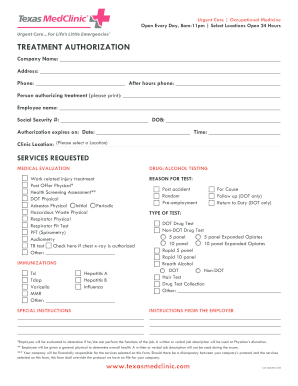
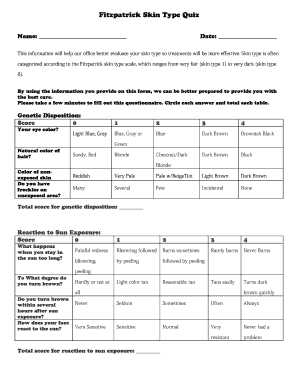
The term "form online" refers to a digital version of traditional paper forms that can be filled out and submitted over the internet. These forms are commonly used across various sectors, including government, business, and education, to streamline processes and improve efficiency. Online forms can include everything from job applications, tax filings, registration forms, to legal documents. By leveraging technology, organizations and individuals can save time and reduce errors typically associated with manual paperwork.
How to Use a Form Online
Using a form online involves several steps, depending on the specific platform and form type. Typically, you begin by accessing the form through a website or an email link. After opening the form, you'll discover fields where you can input your information, upload required documents, and in some cases, provide a digital signature. Many platforms, including DocHub, offer user-friendly interfaces with tools that help complete these forms with ease.
- Input Required Information: Carefully enter all necessary details as instructed. This may include text inputs, checkboxes, or drop-down selections. Pay attention to required fields to ensure no information is missed.
- Attach Necessary Documents: If supplementary documentation is needed, there will be an option to upload these files directly from your device or cloud storage.
- Provide Digital Signatures: For forms requiring signatures, services like DocHub allow the creation and application of digital signatures to finalize the form.
Steps to Complete the Form Online
- Access the Form: Navigate to the website or application hosting the form to access it.
- Review Form Instructions: Take a moment to understand each section of the form and what information is required.
- Fill Out the Information: Complete the form fields with your information. Use guide texts that might be present to avoid mistakes.
- Attach Files: Upload any necessary supporting documents, ensuring the file format and size meet the form’s requirements.
- Verify Information: Double-check all entered information to minimize errors.
- Digitally Sign the Form: Where applicable, add your electronic signature to the form.
- Submit the Form: Follow submission instructions, whether it be submitting with a button click or emailing it to the appropriate party.
Benefits of Using a Form Online
Choosing online forms over traditional paper forms offers multiple advantages. They enhance accessibility and convenience, allowing you to complete necessary paperwork from anywhere with an internet connection. Online forms can be quickly distributed and collected, significantly reducing processing times. The digital format also aids in maintaining organized records and integrates easily with various management software for efficient workflow.
Key Elements of an Online Form
Online forms generally consist of several key elements designed to facilitate efficient data collection:
- Form Fields: Spaces for inputting required data, such as text fields, radio buttons, checkboxes, and dropdown menus.
- Instructional Texts: Guidelines and descriptions that assist users in completing the form correctly.
- Validation Scripts: Automated checks to ensure that the submitted information meets specified criteria (e.g., a valid email format).
- Submission Buttons: Provide an easy way to submit completed forms directly to the intended recipient.
Legal Use of Form Online
In many sectors, online forms are legally recognized, provided they comply with specific regulations like the ESIGN Act in the United States. Digitally signed documents carry the same legal standing as hand-signed documents when created using compliant platforms such as DocHub. The legality and enforceability of these forms depend on their proper execution and the platform's compliance with relevant laws.
Who Typically Uses Forms Online
A variety of users benefit from filling forms online, spanning multiple industries and purposes:
- Businesses: For contracts, orders, applications, and customer data collection.
- Government Agencies: For tax filings, licensing forms, and legal notices.
- Educational Institutions: For student registration and administrative tasks.
- Individuals: For applying to jobs, submitting insurance claims, or processing any personal paperwork.
By deploying online forms, users across these sectors can enhance productivity, lower administrative costs, and ensure quicker turnaround times.
Comparisons: Digital vs. Paper Forms
When comparing digital forms to their paper counterparts, several distinctions are evident:
- Access and Distribution: Digital forms can be accessed anywhere, without geographic constraints, and easily distributed through email, reducing the need for physical transport.
- Efficiency: Digital submissions are instantaneous, while paper forms require manual processing and handling.
- Environmental Impact: Using digital forms reduces paper consumption, supporting eco-friendly practices.
Choosing between these options will depend on the specific requirements of the organization and the regulatory context of the form's purpose.