




01. Edit your form online
Type text, add images, blackout confidential details, add comments, highlights and more.

Type text, add images, blackout confidential details, add comments, highlights and more.

Draw your signature, type it, upload its image, or use your mobile device as a signature pad.

Send it via email, link, or fax. You can also download it, export it or print it out.
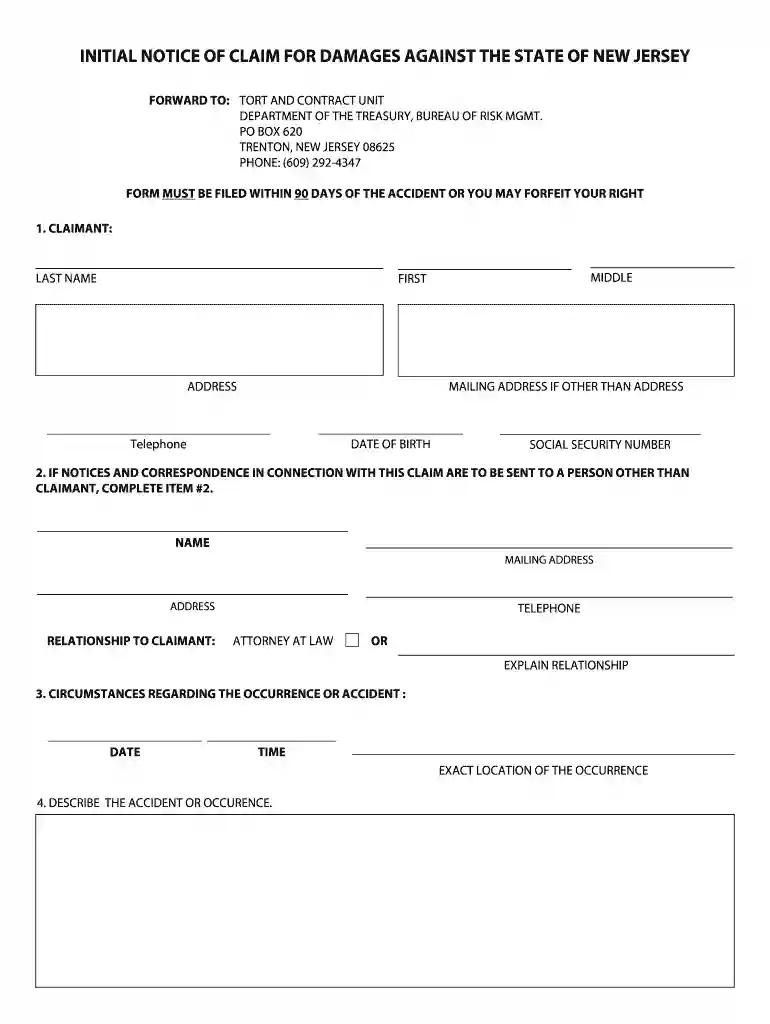
The "Notice of Claim Instructions" is a legal document detailing the necessary steps to submit a claim against a governmental entity. These instructions provide guidance on how to proceed with a claim, often involving incidents such as property damage or personal injury, where the government might be liable. The document outlines the requirements and format for submitting a notice, ensuring that claims are processed appropriately and efficiently.
Submitting a Notice of Claim typically requires several supporting documents to establish the validity of the claim.
Timeliness is critical when filing a notice of claim. This ensures compliance with legal statutes and allows the governmental entity sufficient time to respond.
Missing the filing deadline can result in the claim being dismissed. It's essential to understand the specific rules governing your jurisdiction.
In New Jersey, a filed notice needs to be completed within ninety days from the date of the incident, as highlighted by state guidelines.
This document serves as a critical legal tool to formally announce a claimant's intent to seek reparations from a government body.
The inclusion of all relevant documentation can substantiate claims and avoid legal pitfalls related to procedural errors.
While a common form may exist, the nuances can vary significantly from one state to another due to local laws.
Familiarizing oneself with the particular rules of the state in which the claim is being filed is crucial for ensuring adherence to protocol and maximizing the chances of a successful claim.
Multiple options are available for submitting a notice of claim, providing flexibility based on existing resources and preferences.
Choosing the right method depends on factors such as the urgency of the submission and the claimant's access to resources or technology.
Typically, the form is issued by the governmental entity or agency against which a claim is being made. This ensures that the process is controlled and consistent with governmental procedural standards.
Forms can often be obtained through governmental websites or directly from the offices of the concerned department, ensuring authenticity and compliance with current standards.
We've got more versions of the Notice of Claim Instructions form. Select the right Notice of Claim Instructions version from the list and start editing it straight away!
| Versions | Form popularity | Fillable & printable |
|---|---|---|
| 2025 | 4 Satisfied (34 Votes) | |
| 2025 | 4.8 Satisfied (31 Votes) | |
| 2025 | 4.3 Satisfied (34 Votes) | |
| 2025 | 4.2 Satisfied (34 Votes) | |
| 2025 | 4.6 Satisfied (55 Votes) | |
| 2025 | 4.5 Satisfied (44 Votes) | |
| 2025 | 4.2 Satisfied (37 Votes) | |
| 2025 | 4.7 Satisfied (34 Votes) | |
| 2024 | 4.3 Satisfied (21 Votes) | |
| 2024 | 4.6 Satisfied (51 Votes) | |
| 2024 | 4.5 Satisfied (23 Votes) | |
| 2024 | 4.8 Satisfied (29 Votes) | |
| 2024 | 4.1 Satisfied (28 Votes) | |
| 2024 | 4.9 Satisfied (51 Votes) | |
| 2024 | 4.4 Satisfied (31 Votes) |
At DocHub, your data security is our priority. We follow HIPAA, SOC2, GDPR, and other standards, so you can work on your documents with confidence.

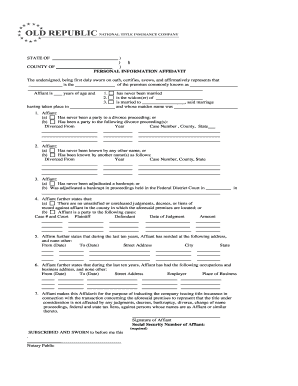

A notice of claim must be filed in writing. All claim forms are available in PDF format in the Electronic Filing and Filing by Personal Delivery or Mail pages.
The Notice of Claim form must include an original signature. An electronic signature will delay the processing of your claim. Please send completed form andRead more


