Understanding the DXCC Application Process
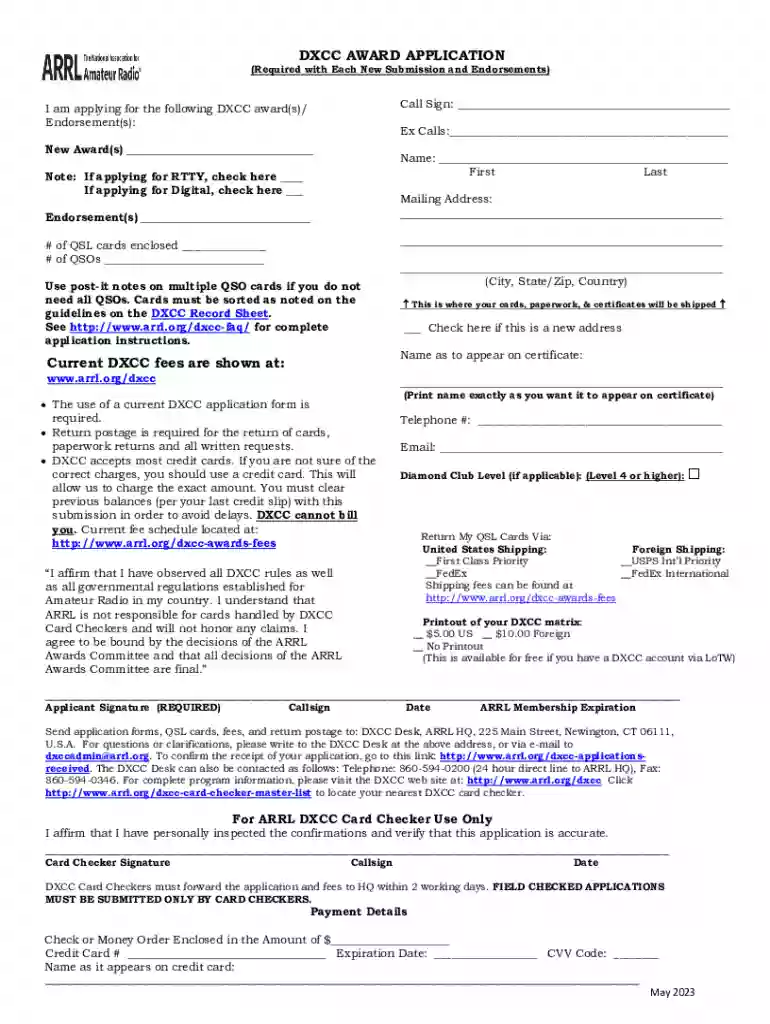
The DXCC Application Process is essential for amateur radio operators seeking recognition for confirming contacts across various geographic locations worldwide. To engage with this system, applicants must thoroughly comprehend its requirements, rules, and steps involved.
Key Elements of the DXCC Application Process
The DXCC Application Process involves several critical components:
- Personal Information: Applicants must provide their full name, call sign, and contact details.
- Award Details: This section requires listing the specific DXCC awards and endorsements being applied for.
- Mailing Address: The applicant must include a valid mailing address to receive correspondence and any issued awards.
- QSL Card Submission: The submission of verified QSL cards, which confirm contact details, is a crucial part of the process.
- Payment Options: Applicants need to select their preferred payment method to cover fees associated with the application.
- Affirmation of Compliance: A section where applicants confirm their adherence to DXCC rules and policies.
Steps to Complete the DXCC Application Process
- Gather Required Documents: Ensure all necessary personal and confirmation documents are ready.
- Fill Out the Application: Complete each section of the form accurately and truthfully.
- Prepare QSL Cards: Organize and submit QSL cards for verification.
- Submit the Application: Submit the application and accompanying documents via your chosen method (online or by mail).
- Await Verification: DXCC Desk will review your application and QSL cards.
- Receive Confirmation: Upon approval, receive official recognition and any awards earned.
Required Documents for DXCC Application
Applicants need to assemble:
- A completed DXCC Application form.
- Validated QSL cards verifying contacts with different regions.
- Personal identification, such as an operator's license.
- Payment confirmation or check covering application fees.
Submission Methods for the DXCC Application
The DXCC application can be submitted through multiple channels:
- Online Submission: Convenient and fast for those with digital versions of their documents.
- Mail Submission: Traditional method for those who prefer a physical paper trail.
- In-Person Submission: Possible at certain amateur radio events or conventions where a DXCC Desk is present.
Legal Use of the DXCC Application Process
Using the DXCC Application Process legally necessitates compliance with:
- Amateur Radio Regulations: Adhering to all federal and international amateur radio rules.
- DXCC Policies: Following all requirements outlined by the DXCC program.
- QSL Verification: Ensuring all QSL cards submitted reflect genuine and authorized contacts.
Common Terms Related to the DXCC Application Process
Familiarity with specific terms can aid in understanding the process:
- QSL Card: A postcard or paper confirming a radio contact.
- Endorsements: Additional recognitions for achieving specific milestones.
- DXCC Desk: The department handling DXCC applications and verifications.
- ARRL: American Radio Relay League, which manages the DXCC program.
Who Typically Engages with the DXCC Application Process
The primary users are:
- Amateur Radio Operators: Those seeking recognition for their global radio contact achievements.
- DX Enthusiasts: Radio users dedicated to connecting with rare or distant locations.
- Radio Clubs: Groups that support members in achieving DXCC awards.
Software Compatibility for Document Management
Manage your DXCC application documents with secure and compatible platforms like DocHub:
- Ability to handle various formats such as PDF, DOC, and TXT.
- Seamlessly integrate with cloud storage like Google Drive for easy access and modifications.
- Protect sensitive documents with 256-bit SSL encryption and password protection.
Examples of Using the DXCC Application Process
Consider these scenarios:
- New Contender: An operator begins their DXCC journey, compiling contacts for initial submission.
- Award Expansion: A veteran operator seeks endorsements for additional bands or modes.
- Club Participation: A radio club collectively applies for a prestigious DXCC standing based on joint efforts.
State-Specific Rules and Variations
While the DXCC is a U.S.-centric program, international participants may need to navigate additional regional standards or provide supplementary documentation depending on their country's regulations. Understanding these nuances is vital for non-U.S. applicants.
Providing comprehensive insights into the DXCC Application Process equips potential applicants with the knowledge they need to successfully engage with this prestigious amateur radio program, ensuring a clear path to achieving their goals.