




01. Edit your form online
Type text, add images, blackout confidential details, add comments, highlights and more.

Type text, add images, blackout confidential details, add comments, highlights and more.

Draw your signature, type it, upload its image, or use your mobile device as a signature pad.

Send it via email, link, or fax. You can also download it, export it or print it out.
"Preliminary Information for a" refers to a document or form that provides essential details required at the initial stage of a particular process. This can include applications for licenses, permits, or legal documentation in various sectors. The purpose of such information is to ensure that applicants are equipped with the necessary knowledge and materials to facilitate a smooth and accurate application or processing experience. By consolidating critical elements early on, this document aids in minimizing errors and delays down the line.
The core components generally included in a "Preliminary Information for a" form encompass details that are essential for the completion of the primary process. Understanding these elements is crucial for successful submission and compliance.
The form may include additional sections depending on the industry or type of application:
Filling out the "Preliminary Information for a" form requires attentiveness to detail and adherence to specific instructions. Below is a general sequence of steps to be followed for accurate completion:
The "Preliminary Information for a" forms are intended for a diverse group of individuals or entities depending on the nature of the form:


Following the legal requirements associated with "Preliminary Information for a" forms is paramount to not only ensure compliance but also avoid legal complications.
Understanding practical applications of the "Preliminary Information for a" form can help users better apply it to their situations.
Different states may have unique regulations and requirements tied to the "Preliminary Information for a" form, reflecting local laws and regulatory differences.
A comprehensive understanding of how each state operates with similar forms can help applicants prepare more thoroughly when moving between jurisdictions or catering to state-specific regulations.
We've got more versions of the Preliminary Information for a form. Select the right Preliminary Information for a version from the list and start editing it straight away!
| Versions | Form popularity | Fillable & printable |
|---|---|---|
| 2010 | 4.8 Satisfied (181 Votes) |
At DocHub, your data security is our priority. We follow HIPAA, SOC2, GDPR, and other standards, so you can work on your documents with confidence.
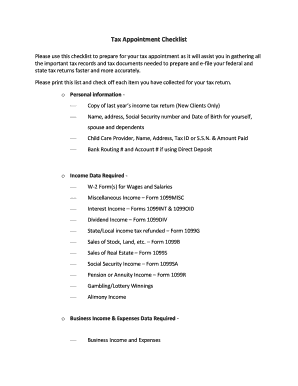
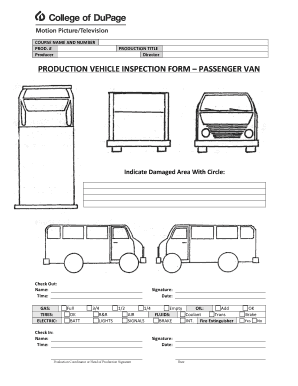
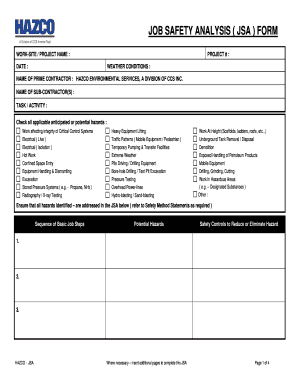

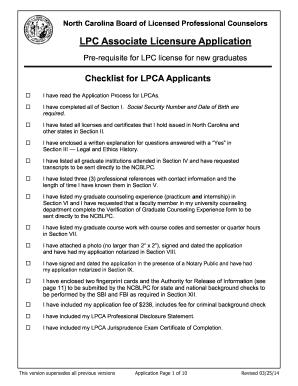
Step 1: Identify and develop your topic Step 2 : Do a preliminary search for information Step 3: Locate materials Step 4: Evaluate your sources Step 5: MakeRead more
Aug 28, 2025 Individual Property: Preliminary Information Form A 804 482-6439 (804) 482-6446 Hours of Operation: Monday Friday 8:30 a.m. 5 p.m.
Jan 4, 2017 Introduction. A preliminary injunction is a remedy ordered by a court prior to the final determination of the merits of a legal case.Read more


