




01. Edit your demographic information form online
Type text, add images, blackout confidential details, add comments, highlights and more.

Type text, add images, blackout confidential details, add comments, highlights and more.

Draw your signature, type it, upload its image, or use your mobile device as a signature pad.

Send demographics form via email, link, or fax. You can also download it, export it or print it out.
A demographic information form is a document designed to collect specific personal data from individuals. This data commonly includes age, gender, ethnicity, education, employment status, and income levels. The primary purpose is to assess and analyze trends within a given population segment, aiding organizations in tailoring services and policies to meet the needs of their demographic audience. For health clinics, this form may include sections on health insurance details and emergency contacts, ensuring comprehensive information is available for effective care.
Using a demographic information form involves several key steps to ensure data is accurately captured and effectively utilized. Administrative staff or designated personnel typically distribute the form. Individuals are encouraged to fill out the form thoroughly and accurately, with guidance provided as needed. This data is then entered into a database or system where it can be analyzed to identify patterns or needs within a community. For example, a health clinic might use this information to determine which specialties are in demand or what languages should be offered for communication.
Demographic information forms can be obtained from various sources, depending on the organization's structure. In educational settings, such as universities, the form may be distributed digitally through a student portal or during enrollment. Healthcare facilities often provide the form upon patient intake or via email as part of a welcome package. For government initiatives, forms might be mailed to residents or available for download from official websites. Ensuring easy access to these forms plays a crucial role in collecting comprehensive data.
Various entities use demographic information forms across different sectors. Educational institutions use these forms to assess student diversity and address specific cultural or demographic needs. Healthcare providers collect such data to tailor healthcare services and identify gaps in patient care. Social services organizations utilize the forms to design effective programs and allocate resources accurately. Businesses also leverage this information for marketing strategies, product development, and improving customer service.


Key elements of a demographic information form typically include:
Organizations must adhere to legal guidelines when using demographic information forms. Collecting, storing, and processing personal data requires compliance with privacy laws and regulations, such as the Health Insurance Portability and Accountability Act (HIPAA) in healthcare settings. Forms should clearly state how data will be used and ensure informed consent from individuals. Organizations must implement strict data protection measures to preserve privacy and prevent unauthorized access to sensitive information.
Demographic information forms find various practical applications. An example includes public health initiatives where data collected can help identify under-served communities requiring additional healthcare resources. Schools might analyze demographic data to enhance diversity and inclusion programs, addressing gaps in educational access for minority groups. In business, demographic information helps companies tailor advertising campaigns or design products that meet the specific needs of certain consumer segments.
State-specific regulations might impact the way demographic information forms are used and stored. For instance, California’s privacy law, known as the California Consumer Privacy Act (CCPA), imposes specific requirements for handling personal data that may differ from those in other states. Organizations operating across multiple states must be aware of and comply with these varying legal landscapes to ensure lawful data collection and management practices.
We've got more versions of the demographic information form form. Select the right demographic information form version from the list and start editing it straight away!
| Versions | Form popularity | Fillable & printable |
|---|---|---|
| 2008 | 4 Satisfied (29 Votes) |
At DocHub, your data security is our priority. We follow HIPAA, SOC2, GDPR, and other standards, so you can work on your documents with confidence.
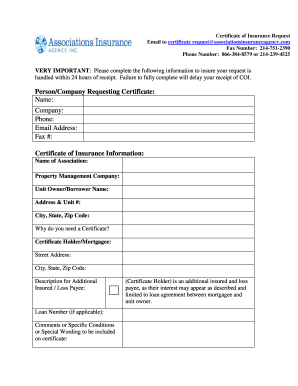
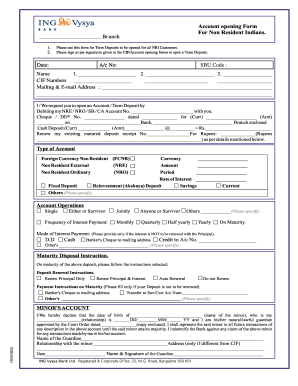
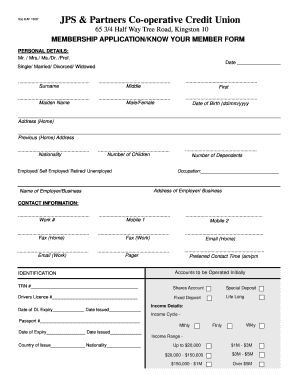
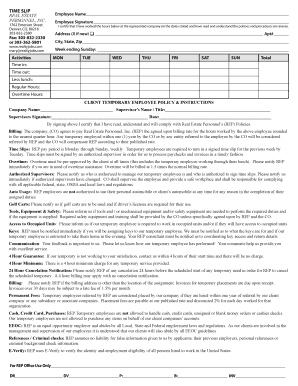
Federal law requires that we ask applicants for their demographic information (ethnicity, race, and sex) in order to monitor our compliance with equal credit
Relationship to Patient. ❑ Self (If self, skip to Emergency / Next of Kin) ❑ Spouse. ❑ Parent. ❑ Other. Last Name. First Name. Middle Initial.Read more


