Definition & Meaning
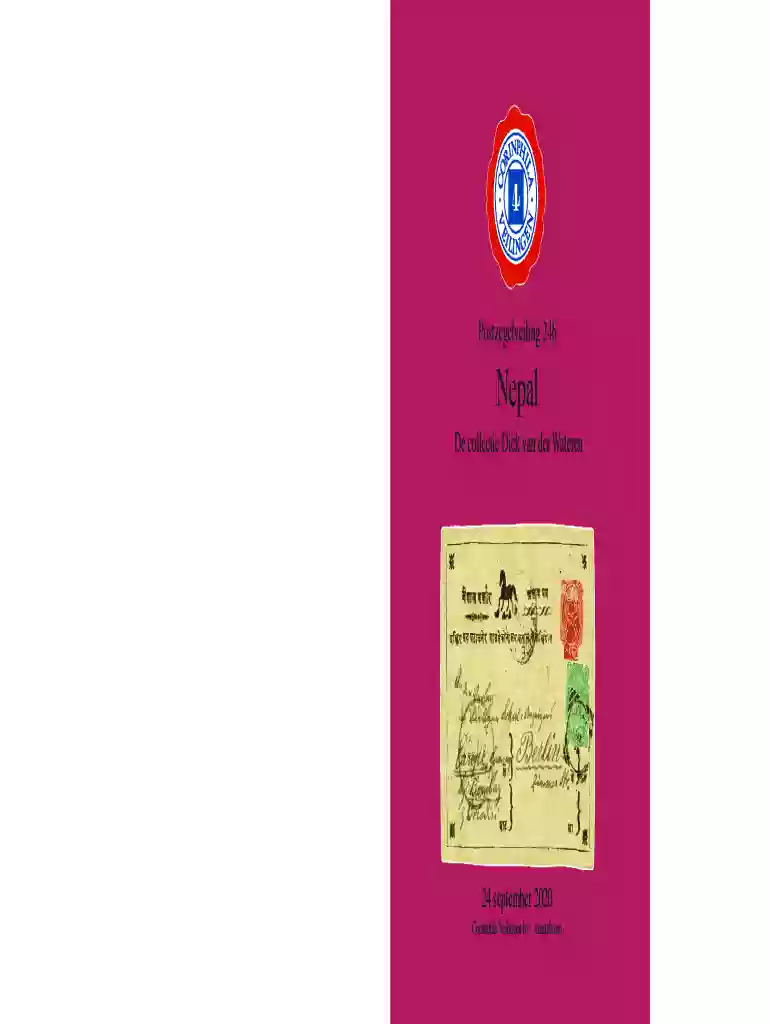
The "246e veiling Nepal De collectie Dick van der Wateren" refers to the 246th stamp auction conducted by Corinphila Veilingen. This event prominently features the collection of Dick van der Wateren, which includes rare and historically significant philatelic items from Nepal. These auctions provide collectors and enthusiasts an opportunity to acquire unique pieces and are often viewed as significant occasions in the philatelic community. The event showcases a variety of postcards and stamps, each carrying its own story and historical relevance, making it a treasure trove for both seasoned collectors and newcomers.
Key Elements of the Auction
Understanding the essential components of the auction can provide insight into how it functions and what participants can expect. Key elements include:
- Viewing Days: Dedicated days prior to the auction where prospective buyers can examine the items physically or through online platforms. This gives potential bidders a chance to assess the condition and authenticity of the items.
- Online Bidding Procedures: The auction offers remote participation through online bidding, allowing a wider audience to partake in the process without geographical constraints.
- Conditions of Sale: Specific terms and conditions are laid out, governing the transaction and completion of purchases. These include payment terms, delivery options, and returns policy.
How to Use the Auction
Participating in the "246e veiling Nepal De collectie Dick van der Wateren" involves several steps to ensure a successful experience:
- Registration: Interested participants need to register with Corinphila Veilingen prior to the event. Registration might require providing personal details and agreeing to the auction terms.
- Catalogue Review: Reviewing the auction catalogue is crucial. The catalogue contains detailed descriptions and images of each item up for bidding.
- Bidding Process: Bidders can place their bids either in person, by phone, or online. It is advisable to set a budget range to avoid any impulsive overspending during auctions.
- Finalizing Purchases: Winning bidders must finalize their purchase by making the payment according to the conditions outlined prior to delivery or retrieval of the items.
Why Participate in the Auction
Engaging in this auction can be a rewarding experience for several reasons:
- Acquisition of Rare Items: The auction features unique and rare stamps from Nepal, notably from the esteemed collection of Dick van der Wateren.
- Cultural and Historical Value: Many items hold significant cultural and historical value, offering insight into Nepal’s history and postal evolution.
- Investment Opportunities: Philatelic items often increase in value over time, making them good investment opportunities for collectors and investors alike.
Who Typically Uses This Auction
The auction primarily attracts:
- Philatelists: Stamp collectors with a specific interest in Nepali philately.
- Historians and Academics: Individuals researching postal history or Nepalese cultural artifacts might find valuable resources.
- Investors: Those looking at rare collectibles as a form of alternative investment.
Important Terms Related to the Auction
Understanding the terminology used in the auction can enhance the experience:
- Philately: The collection and study of postage stamps.
- Lot: A batch or collection of items listed together in an auction.
- Reserve Price: The minimum price set for an item to be sold at auction.
Penalties for Non-Compliance
Participants need to be aware of the penalties for non-compliance with auction terms:
- Breach of Contract: Failure to complete a purchase after a winning bid may result in legal action or a ban from future auctions.
- Financial Penalties: Non-compliance can incur additional charges or loss of deposit.
Form Submission Methods
Participants in the auction should make use of various methods for engaging and completing the necessary procedures:
- Online Platforms: Registration, bidding, and even item review can be conducted through Corinphila's online portal.
- In-Person Attendance: Traditional participation may involve attending viewings and the auction day physically.
- Mail Bids: Some auctions allow bids to be submitted via mail, adhering to specific deadlines and protocols.