Pa eye form 2026

Get Form
penndot eye exam chart Preview on Page 1

Here's how it works

01. Edit your penndot eye exam chart online
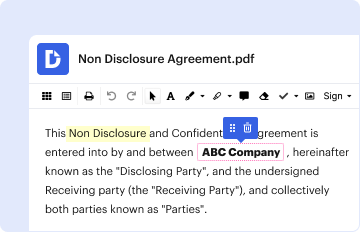
Type text, add images, blackout confidential details, add comments, highlights and more.

02. Sign it in a few clicks
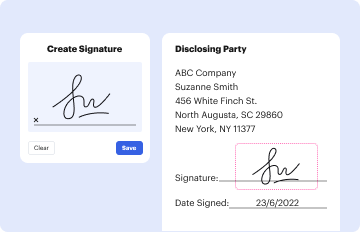
Draw your signature, type it, upload its image, or use your mobile device as a signature pad.

03. Share your form with others
Send penndot eye exam form via email, link, or fax. You can also download it, export it or print it out.

How to use or fill out pa eye form with our platform

Form edit decoration
9.5
Ease of Setup
DocHub User Ratings on G2
9.0
Ease of Use
DocHub User Ratings on G2
  1. Click ‘Get Form’ to open the pa eye form in the editor.
  2. Begin by entering the patient information, including their driver's license number, height, sex, last name, first name, date of birth, and contact details. Ensure all fields are filled accurately.
  3. In the visual acuity section, mark the appropriate boxes based on the individual's vision assessment. Be sure to indicate if correction is needed and provide uncorrected and corrected vision values for each eye.
  4. Answer the questions regarding field of vision and corrective lens requirements by selecting 'Yes' or 'No' as applicable.
  5. For school bus drivers, complete additional questions related to visual acuity and color recognition. Ensure to document any recent eye exams and their results.
  6. Finally, have the health care provider fill in their information and sign the form. Make sure all sections are completed before submitting.

Start using our platform today for free to streamline your form completion process!

See more pa eye form versions

We've got more versions of the pa eye form form. Select the right pa eye form version from the list and start editing it straight away!
Versions Form popularity Fillable & printable
2015 4.8 Satisfied (68 Votes)
be ready to get more

Complete this form in 5 minutes or less

Get form

Got questions?

We have answers to the most popular questions from our customers. If you can't find an answer to your question, please contact us.
Contact us
A physician assistant (PA) is a licensed medical professional who holds an advanced degree and can provide direct patient care. They work with patients of all ages in virtually all specialty and primary care areas, diagnosing and treating common illnesses and working with minor procedures.
Ophthalmology Physician Assistants (PAs) are specialized healthcare professionals who work alongside ophthalmologists to provide comprehensive eye care. They play a crucial role in diagnosing and treating eye conditions, conducting eye exams and assisting in eye surgeries.
Go to a PennDOT Driver License Center to take your eye screening and Knowledge Test. If you pass, youll get your Initial Learners Permit. An initial Learners Permit is for anyone 16 years of age or older, who has never had a license before, or if your out-of-state license has been expired for more than 6 months.
Eye pain may occur for a number of reasons. Some of the less severe causes include dry eye, infections, and allergies. Some of the more serious causes include glaucoma, aneurysms, and cancer.
Ophthalmologists are medical doctors. They are the only eye doctors with medical degrees, either MD or DO (doctors of osteopathic medicine). Optometrists are not medical doctors but are often referred to as eye doctors because they hold doctor of optometry (OD) degrees.

Security and compliance

At DocHub, your data security is our priority. We follow HIPAA, SOC2, GDPR, and other standards, so you can work on your documents with confidence.

Learn more

People also ask

A PA just doesnt have that background. You can bring her up to the level of a good tech, but they cost more. You cant bring her up to the level of an optometrist who has had at least five years of formal training, plus hands-on training in the practice, which is a much better head start than a PA would ever have.
If the patient can not even detect the hand movements, light is shown on the face and if the patient is able to say that light is there or not, it is recorded as PL+ (perception of light). If the patient is able to say from which direction the light comes it can be noted as accurate PR (projections of rays).

dl102