




01. Edit your substitution request form online
Type text, add images, blackout confidential details, add comments, highlights and more.

Type text, add images, blackout confidential details, add comments, highlights and more.

Draw your signature, type it, upload its image, or use your mobile device as a signature pad.

Send form 15c via email, link, or fax. You can also download it, export it or print it out.
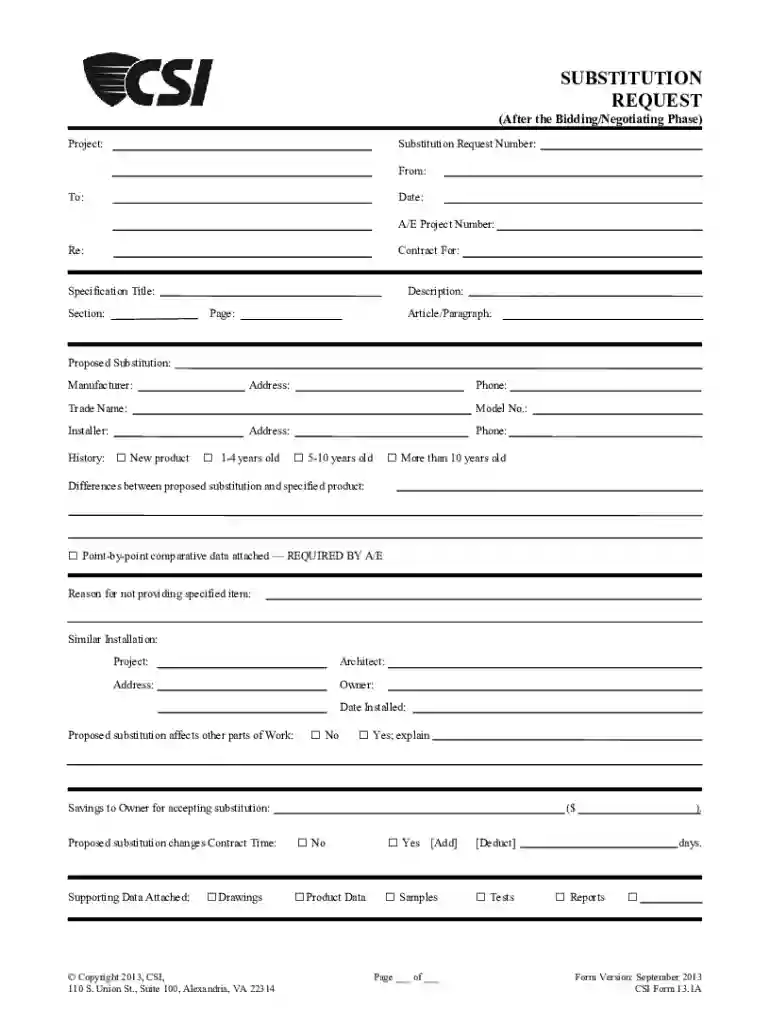
A substitution request form is a document used during the bidding or negotiating stages of a construction project. It allows contractors to propose alternatives to specified materials or products in a contract. For example, a contractor might suggest using the Telling Industries ViperStud Drywall Framing System instead of the originally specified materials. The form ensures that any proposed substitutions meet or exceed the original specifications without impacting project timelines or other trades negatively.
The substitution request form includes several critical components:
Each element must be thoroughly completed to ensure the request is evaluated on a solid basis.
Using a substitution request form involves several steps:
Providing accurate and thorough information will facilitate a smooth and efficient review process.
Completing a substitution request form typically involves the following:
These steps ensure that the form is completed correctly and that all necessary information is included.
Understanding these terms will help complete and submit a substitution request form accurately and effectively.
A properly executed substitution request form can protect stakeholders from potential legal issues, as it demonstrates due diligence in choosing materials. This documentation is critical for ensuring that all chosen materials comply with project specifications and legal standards such as building codes. It also serves as a formal record that substantiates decision-making processes in case of future disputes.
Several parties may use a substitution request form within a construction project:
These stakeholders ensure that any substitutions are both beneficial and compliant with project goals and regulations.


Real-world scenarios demonstrate the practical application of substitution request forms:
These examples underscore the versatility and necessity of the substitution request form in construction management.
Regulations surrounding substitution requests can vary between states:
Understanding these differences is essential to ensure compliance with local legislation and standards.
At DocHub, your data security is our priority. We follow HIPAA, SOC2, GDPR, and other standards, so you can work on your documents with confidence.
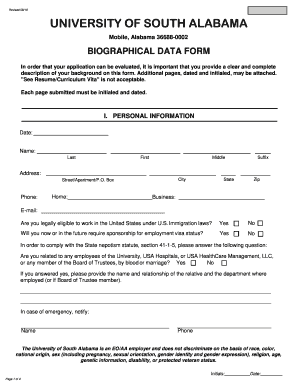

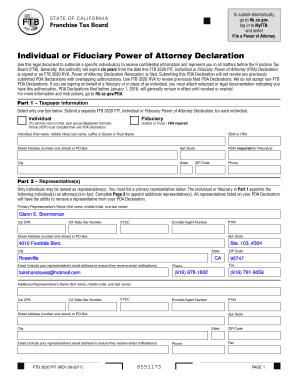
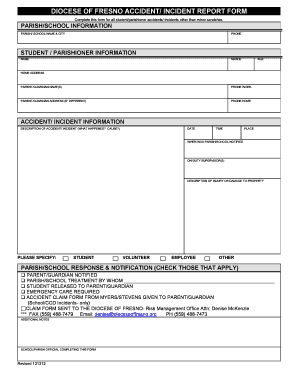


This Substitution Request Information Form must be completed for each substitution course. Substitution Request Forms are specific to the degree program you
DOT Form 570-019 EF. Revised 1/99. Product Substitution Request. Attached data includes product description, specifications, drawings, photographs, performanceRead more


