






Definition and Meaning of Form Online
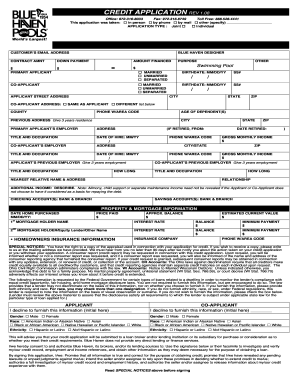
Forms online are digital versions of traditional paper forms that can be completed and submitted over the internet. They serve various purposes, such as collecting information, conducting surveys, and facilitating online transactions. Online forms enable users to input data into fields like text boxes, checkboxes, dropdown menus, and e-signature fields. Thanks to their digital nature, online forms streamline processes by offering efficiency, accuracy, and prompt data collection.
Online forms are integral to both personal and professional activities. They play a critical role in administrative tasks such as tax filing, job applications, feedback collection, and document signing. Form platforms like DocHub make this process convenient by providing tools for editing, signing, and distributing documents efficiently.
Steps to Complete a Form Online
Completing a form online is a straightforward process when using platforms like DocHub. Here’s a step-by-step guide:
-
Access the Form: Open the form using a web browser. You can either upload a downloaded form from your device or import it directly from cloud storage services like Google Drive.
-
Fill in Information: Enter data into the required fields, which might include text boxes, dropdowns, or checkboxes. DocHub allows you to format text and adjust field sizes for clarity.
-
Add Signatures: If a signature is required, use DocHub’s e-signature tools to draw, type, or upload your signature. Apply it to the designated signature field.
-
Review for Accuracy: Check all entries to ensure information is accurate and complete. Use DocHub’s annotation tools to make additional notes or highlights if necessary.
-
Submit the Form: Once completed, submit the form as instructed, whether by sending via email, saving to a cloud service, or sharing a direct link.
-
Save a Copy: Always save or print a copy of the completed form for your records.
Advantages of Using Forms Online
Filling forms online offers several advantages compared to traditional paper forms, enhancing efficiency and reducing potential errors.
- Time-Saving: Online forms eliminate the need for physical delivery, significantly reducing the time required to fill out and submit them.
- Cost Efficiency: Digital forms reduce expenses associated with printing and mailing. Additionally, they offer immediate submission without the costs of paper and ink.
- Enhanced Accuracy: With built-in checks and validations, online forms mitigate errors by guiding users on completing fields correctly.
- Environmentally Friendly: Online forms contribute to environmental sustainability by decreasing the need for paper and reducing physical waste.
- Enhanced Data Security: Platforms like DocHub use encryption protocols to protect sensitive data during form transmission and storage.
Key Elements of an Online Form
Online forms come with various features tailored to different needs, especially for efficient data collection and processing.
- Editable Fields: Users can input text, select options from dropdowns, check boxes, and enter dates.
- Validation Rules: Ensure that entered data follows a specified format, such as numeric values for phone numbers, to minimize errors.
- Conditional Logic: Some forms adapt to user input, showing or hiding questions based on previous answers.
- E-signature Capability: Allows for legally binding signatures to be added directly onto the form.
- Submission Confirmation: Upon completion, users typically receive confirmation of successful form submission, which may include a reference number or email.
Legal Use of Online Forms
The legal viability of online forms has grown significantly, particularly concerning e-signatures, which are covered under the ESIGN Act in the United States. This regulation confirms that online forms and electronic signatures carry the same legal weight as traditional paper transactions.
- Compliance Requirements: Forms must adhere to relevant laws, such as privacy and electronic records regulations, ensuring they are legally binding and secure.
- Audit Trails: Platforms often provide an audit trail, documenting who accessed, modified, and signed the form and when these actions occurred.
- Data Protection: Online forms must comply with data protection laws, encrypting or anonymizing data as necessary to safeguard personal information.
Important Terms Related to Online Forms
When engaging with online forms, understanding specific terms is crucial for effective use:
- Filler and Creator: The person filling out the form and the individual or organization who creates it.
- Authentication: A process to verify the identity of the user accessing the form, ensuring data is accurate and secure.
- Encryption: A method for securing data by converting it into a code during transmission and storage.
- Interactive Elements: Components like dropdowns, sliders, and date pickers enhance the user’s experience by making forms dynamic and user-friendly.
Software Compatibility for Online Forms
DocHub and other form platforms are designed to be compatible with various software systems, which simplifies integration and enhances the user experience.
- Cloud Storage: Integration with Google Drive, Dropbox, and OneDrive allows direct form imports and exports.
- Office Suites: Compatibility with Microsoft Office formats (.docx, .xlsx) ensures forms can be opened and edited alongside traditional documents.
- Browsers: Online forms are typically optimized for use with popular browsers like Chrome, Firefox, Safari, and Microsoft Edge, ensuring accessibility from any device without needing additional software.
State-Specific Rules for Online Forms
Online forms may be subject to state-specific regulations, especially when used for legal or governmental purposes. This can involve:
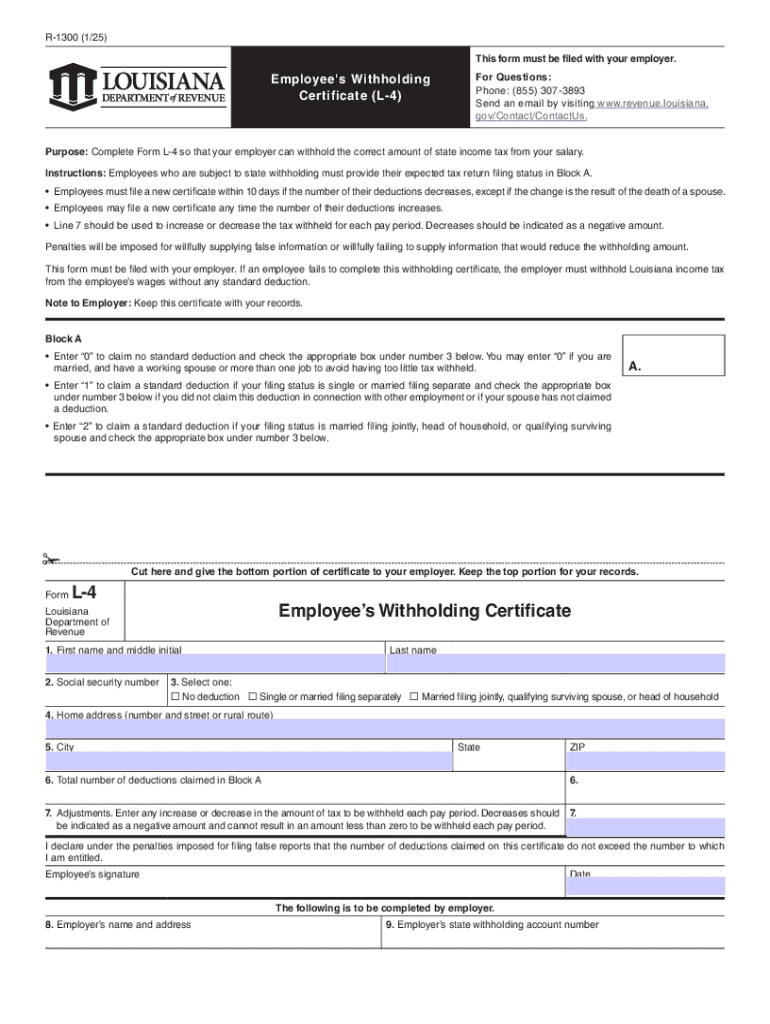
- Tax Forms: Certain tax forms, like those for state income tax, have unique formats and submission requirements specific to each state.
- Disclosure Requirements: States may mandate specific disclosures or disclaimers to be included in the forms.
- Electronic Filing Regulations: States vary in their acceptance of electronic signatures and online submissions; compliance with state-specific guidelines is crucial.
Understanding these variances can help ensure that forms meet all necessary legal criteria and are processed without delays.