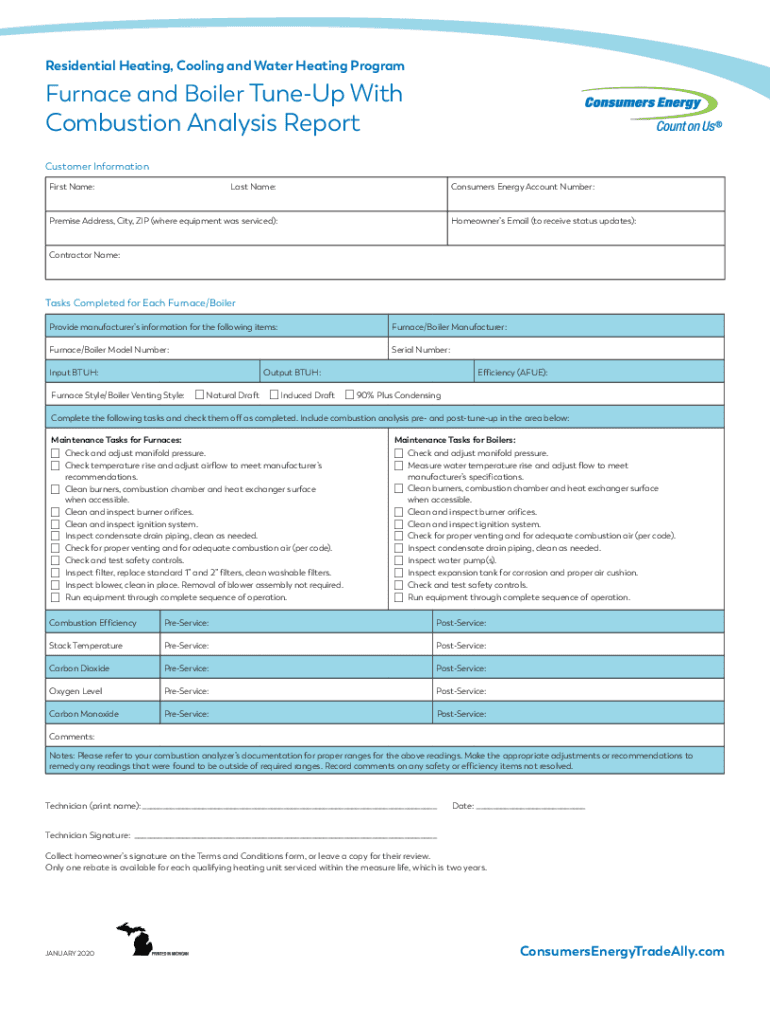







Definition & Meaning
Understanding the term "energy energysaverfurnaces-and-boilersFurnaces and BoilersDepartment of Energy" is crucial for those involved in residential heating, cooling, and water heating programs. This term refers to energy-efficient practices and technologies promoted by the U.S. Department of Energy (DOE) to optimize the operation of furnaces and boilers. By enhancing combustion efficiency and reducing energy consumption, these practices align with the broader goals of minimizing utility bills for homeowners and contributing to environmental conservation efforts.
Key Elements of the Program
The core elements of the energy energysaverfurnaces-and-boilers initiative include:
- Energy Efficiency: Focused on improving the functionality of home heating systems, promoting technologies that utilize less energy while maintaining or improving output.
- Rebates and Incentives: Homeowners may qualify for financial incentives when upgrading or maintaining their furnaces and boilers in accordance with DOE guidelines.
- Technician Involvement: Certified professionals conduct tune-ups, ensuring systems meet efficiency standards.
- Documentation: Detailed documentation of services and combustion data is required to verify eligibility for rebates.
How to Use the Program
To effectively utilize the energy energysaverfurnaces-and-boilers program:
- Assessment: Conduct an initial evaluation of your existing heating system.
- Engage a Technician: Hire a qualified technician to perform a tune-up and efficiency audit.
- Documentation: Collect and maintain records of all work performed, including before and after efficiency measurements.
- Rebate Application: Submit documentation to the relevant authority to claim any available rebates.
Steps to Complete the Program
Completing the energy energysaverfurnaces-and-boilers program involves several key steps:
- Schedule a consultation with a certified HVAC professional.
- Perform the recommended maintenance and tune-up procedures.
- Record the combustion efficiency results to establish baseline improvements.
- Prepare and submit a rebate application with all necessary supporting documentation.
- Await processing and approval for any applicable financial incentives.
Eligibility Criteria
To participate in the energy energysaverfurnaces-and-boilers program, certain criteria must be met:
- Residence Requirements: The program is generally available to residential properties within the United States.
- Technical Requirements: Only specific types of furnaces and boilers, as designated by the DOE, qualify.
- Documentation: Accurate records of both existing and improved efficiency post-maintenance are mandatory.
- Professional Installation: Services must be performed by certified technicians to ensure compliance.


Legal Use and Compliance
Adhering to the guidelines set forth in the energy energysaverfurnaces-and-boilers program ensures legal compliance under the framework established by the Department of Energy. This involves following specific procedures for maintenance, engaging appropriately certified professionals, and accurately documenting all relevant data.
State-Specific Rules
While the Department of Energy provides overarching guidelines for the energy energysaverfurnaces-and-boilers program, states may have additional requirements or variations:
- State Incentives: Some states offer supplementary incentives that complement federal rebates.
- Regulatory Standards: States may have unique emissions or efficiency standards that affect furnace and boiler maintenance.
Who Typically Uses the Program
The primary users of the energy energysaverfurnaces-and-boilers program include:
- Homeowners: Looking to reduce heating costs and improve efficiency.
- HVAC Technicians: Professionals certified to perform energy-efficient improvements.
- Energy Consultants: Experts advising on best practices for energy consumption reduction in residential properties.
- Policy Makers and Regulators: Monitoring adherence to energy regulations and promoting public awareness.

Important Terms Related to the Program
Understanding the following terms is key to navigating the energy energysaverfurnaces-and-boilers program:
- Combustion Efficiency: A measure of how effectively a furnace or boiler converts fuel into heat.
- Rebate: A partial refund or discount available upon completing energy-saving improvements.
- HVAC: Heating, ventilation, and air conditioning, crucial for understanding system dynamics.
- Certified Technician: A professional accredited to perform inspections and maintenance as per DOE guidelines.
Form Variants and Older Versions
The energy energysaverfurnaces-and-boilers program may have various forms or versions depending on updates in technology or policy changes. Staying informed about the latest versions ensures compliance and maximizes benefits from the program.