




01. Edit your form online
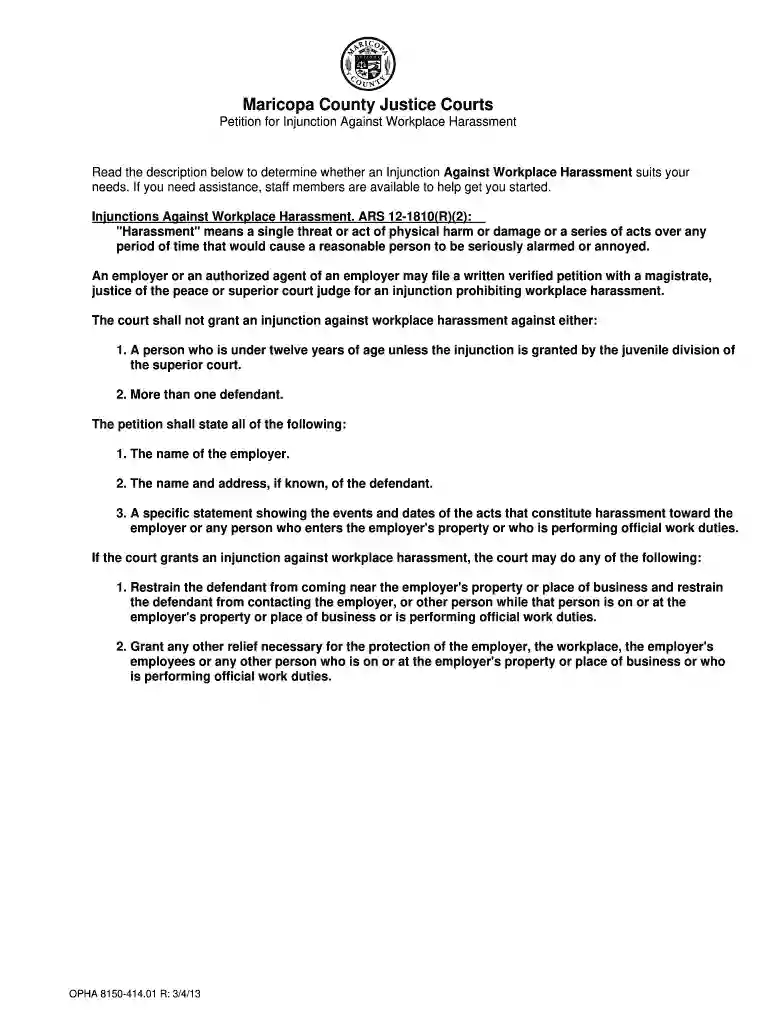
Type text, add images, blackout confidential details, add comments, highlights and more.

Type text, add images, blackout confidential details, add comments, highlights and more.

Draw your signature, type it, upload its image, or use your mobile device as a signature pad.

Send it via email, link, or fax. You can also download it, export it or print it out.
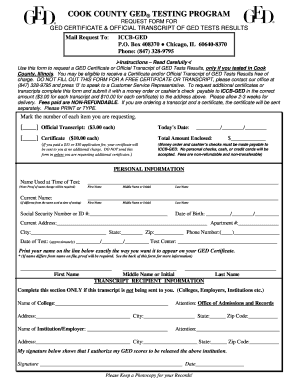
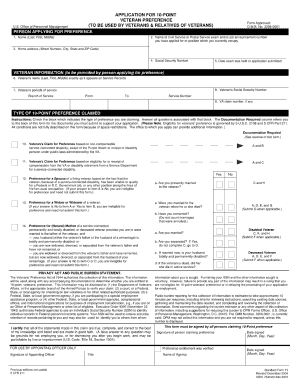
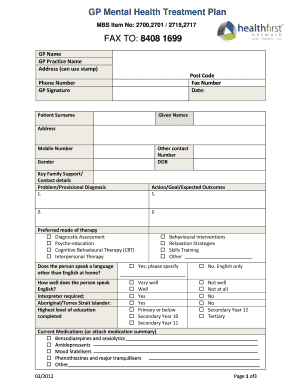
A domestic violence report form serves as a crucial document used by victims to report incidents of domestic abuse. Its primary function is to provide a coherent and structured method for victims, witnesses, or law enforcement officers to record pertinent details of the abuse. This form typically captures essential information about the parties involved, the nature and extent of the violence, and any witnesses to the incident. The data collected is used by authorities to initiate an investigation, offer protection to the victim, and potentially prosecute the offender.
Utilizing the domestic violence report form effectively involves several key steps. First, the victim or witness should ensure that as much detailed information as possible is included. This might cover the description of the incident, including dates, times, locations, and nature of the abuse. Ensuring accuracy is vital as it assists law enforcement and legal entities in assessing the situation. Additionally, if any medical documentation or photographic evidence exists, they should be attached to the report form to provide a comprehensive overview of the incident.
Completing the form requires carefully following specific steps to ensure completeness and accuracy:
The domestic violence report form is a critical tool for several reasons. It provides a systematic approach for documenting the abuse, which is essential for legal proceedings and potential protective orders. Additionally, it facilitates agencies in offering the necessary support services to victims, such as counseling or temporary shelter. Importantly, the form may serve as evidence in court, illustrating the pattern and history of abuse, which can impact legal decisions such as custody arrangements or restraining orders.
This form is predominantly used by individuals directly affected by domestic violence. It is also a useful tool for law enforcement officers responding to domestic violence calls, providing them a formal method of recording specifics of the incident at the scene. Social service agencies, advocates for domestic violence victims, and legal professionals may also use the form to assist their clients in documenting the abuse for legal and support purposes.


Legally, the domestic violence report form is used to initiate protective actions and lay the groundwork for legal proceedings against the abuser. In many jurisdictions, filing a report is a preliminary step toward obtaining a restraining order or other protective measures through the court system. The form acts as a legal record that can influence the outcome of criminal trials, custody battles, and other related judicial processes.
The report form comprises several key elements designed to capture comprehensive data. These elements typically include:
Different states in the U.S. may have unique rules and regulations surrounding the domestic violence report form. These can include varying definitions of domestic violence, specific procedural requirements for filing, and differences in the type of protective orders available. It is crucial for individuals to check the specific requirements and guidelines of their state to ensure the form is completed and submitted correctly. This often involves consulting local law enforcement or legal professionals familiar with state-specific domestic violence laws.
At DocHub, your data security is our priority. We follow HIPAA, SOC2, GDPR, and other standards, so you can work on your documents with confidence.

Reportable behaviors include sexual assault, stalking, relationship violence (including domestic violence), and retaliationvisit Title IX, Equal OpportunityRead more
Log on to your OHLEG account and open up a blank Domestic Violence Report Form by clicking on the Domestic Violence Report link on the bottom of your OHLEG


