Definition & Meaning
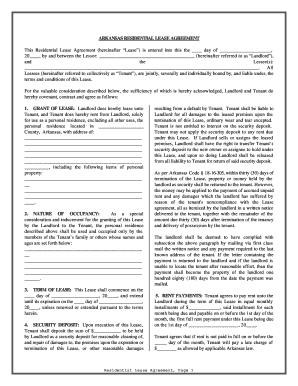
The NZ Tenancy Agreement - Fill Online, Printable, Fillable, Blank is a legally binding document designed to outline the terms and conditions of a rental arrangement between a landlord and a tenant in New Zealand. This agreement ensures both parties are aware of their rights and responsibilities, governed by the Residential Tenancies Act 1986. The document serves as an essential resource for clarifying rules about rent payments, property maintenance, tenant obligations, and arbitration procedures. By providing a standardized format, this agreement helps to mitigate misunderstandings and conflicts, protecting the interests of both landlords and tenants.
How to Use the NZ Tenancy Agreement - Fill Online, Printable, Fillable, Blank
Using the NZ Tenancy Agreement is straightforward, thanks to platforms like DocHub that offer it in an online, printable, fillable, and blank format. Here’s how you can use it effectively:
-
Access the Form:
- Visit the website and locate the form.
- Download or open it directly within DocHub if you’re using their services.
-
Filling Out the Agreement:
- Enter the details of both parties, such as names and contact information.
- Specify the rental terms, including rent amount and lease duration.
- Include any additional clauses or conditions agreed upon.
-
Review and Edit:
- Utilize DocHub’s editing tools to add text, images, or annotations.
- Double-check for accuracy and ensure compliance with the Residential Tenancies Act 1986.
-
Sign the Agreement:
- Use electronic signature options for legitimacy.
- Both parties must sign to make the document legally binding.
-
Save and Share:
- Save the completed form securely and share it with relevant stakeholders through email or cloud services.
Steps to Complete the NZ Tenancy Agreement - Fill Online, Printable, Fillable, Blank
Completing this form involves several important steps to ensure it meets all legal requirements:
-
Gather Necessary Information:
- Details of the landlord and tenant.
- Property address and specifics.
- Financial terms like rent and bonds.
-
Input Data:
- Fill out each section accurately using fillable fields.
- Use dropdown menus for easy data entry (where applicable).
-
Verify Legal Compliance:
- Ensure all legal aspects align with the Residential Tenancies Act 1986.
- Include required information on insulation and tenant rights.
-
Review and Revise:
- Check for errors or omissions before finalizing.
- Use collaborative tools to discuss changes with the other party.
-
Sign and Execute:
- Use electronic signatures to finalize.
- Make sure each party has a signed copy.
Key Elements of the NZ Tenancy Agreement
The NZ Tenancy Agreement comprises several crucial components that define and regulate the landlord-tenant relationship:
- Identification Details: Full names and contact information of both parties.
- Property Description: The physical address and any unique characteristics or inclusions.
- Lease Term: Specified length of tenancy, whether periodic or fixed-term.
- Rent Details: Amount, due dates, and acceptable payment methods.
- Bond Requirements: Amount paid as a bond, handling, and returns conditions.
- Tenant Responsibilities: Guidelines on property upkeep and allowable modifications.
- Landlord Obligations: Maintenance duties and access provisions for inspections or repairs.
Legal Use of the NZ Tenancy Agreement
The legal utilization of the NZ Tenancy Agreement involves:
- Compliance: Aligning with the Residential Tenancies Act 1986.
- Clarity: Clearly stating the rights and responsibilities of both parties.
- Enforcement: Providing a basis for legal enforcement in cases of disputes.
- Fairness: Ensuring terms are fair and reasonable to all parties involved.
Important Terms Related to the NZ Tenancy Agreement
Understanding key terms is essential for both parties using the tenancy agreement:
- Bond: A security deposit held in trust for lease compliance.
- Periodic Tenancy: A lease with no fixed end date, automatically renewing.
- Fixed-Term Tenancy: A lease set for a specific duration.
- Tenancy Tribunal: A legal body for resolving tenancy issues.
State-Specific Rules for the NZ Tenancy Agreement
Although the guidelines provided in this agreement are standardized across New Zealand, some regional variations may exist concerning:
- Rent Control Laws: These may differ based on local statutes.
- Property Maintenance Codes: Vary per local council regulations.
- Tenancy Termination Notice Periods: Different waiting periods in various areas.
Who Typically Uses the NZ Tenancy Agreement
The use of this agreement extends to a diverse audience:
- Private Landlords: Looking for clarity and legal assurance in leasing.
- Property Managers: Facilitating leases on behalf of owners.
- Tenants: Seeking transparent and equitable rental contracts.
- Real Estate Firms: Operating within professional and legal frameworks.
This content is designed to provide a comprehensive overview, ensuring users have all the information necessary to understand and correctly utilize the NZ Tenancy Agreement.