Definition and Purpose of the Oregon Restraining Order Packet
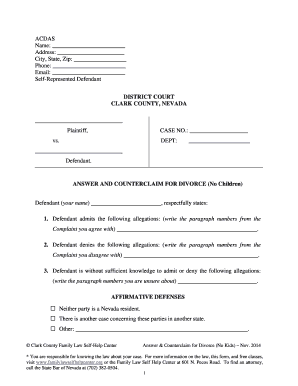
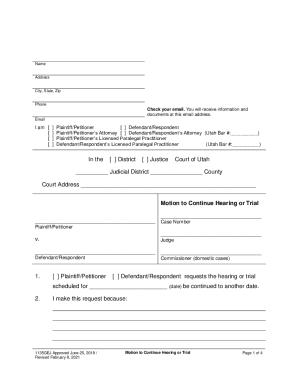
The Oregon restraining order packet serves as a critical legal tool designed to protect individuals at risk of abuse. This packet contains a collection of documents that help initiate a court-ordered protection measure. Typically used under circumstances that threaten the safety and well-being of a person, the packet formally petitions the court to restrict contact between the petitioner (the person seeking protection) and the respondent (the person from whom protection is sought).
This packet is particularly important in safeguarding elderly individuals and persons with disabilities under the Elderly Persons and Persons with Disabilities Abuse Prevention Act in Oregon. It ensures their rights are protected by providing a legal framework to prevent further abuse. By using this packet, individuals can take proactive measures to seek intervention against threats of harassment, violence, or abuse.
Eligibility Criteria for Filing
Not everyone is eligible to file for a restraining order using the Oregon restraining order packet. The criteria are clearly outlined to ensure only qualified individuals can file. Generally, a person must demonstrate a credible fear of imminent harm or past instances of abuse. This may include physical harm, threats of violence, or repeated harassment.
Eligible individuals typically involve victims of domestic violence, elderly persons, or individuals with disabilities. The eligibility also extends to those with a familial or household relationship with the respondent, as defined under Oregon law. Understanding these criteria helps ensure that the packet is used judiciously to protect those who truly need it.


How to Obtain the Oregon Restraining Order Packet
Accessing the Oregon restraining order packet requires understanding the various channels available for collection. This packet can often be obtained from local courthouses, specifically from the court clerk's office. In addition, many courts have made these packets available online through official court websites.
Individuals may also contact local domestic violence organizations that often support people in legal trouble and can provide assistance and access to these packets. Having easy access to the packet is the first step in ensuring protection for those in vulnerable situations.
Steps to Complete the Oregon Restraining Order Packet
Completing the Oregon restraining order packet involves a systematic approach to ensure all necessary information is accurately provided. Follow these steps to complete the packet effectively:
-
Read Instructions Carefully: Begin by carefully reviewing the provided instructions to understand the information required and the sequence of forms to complete.
-
Fill Personal Information: Accurately complete sections with personal and contact information of the petitioner and respondent. Details such as addresses and any relationship specifics should be included.
-
Describe Incidents: Provide a detailed account of incidents that justify the need for a restraining order, including dates, locations, and a description of the abuse or threat experienced.
-
Specify Orders Sought: Clearly outline the specific protections you are seeking, such as no contact orders, restrictions on proximity, or any other relevant terms.
-
Sign and Date: Ensure the packet is signed and dated where necessary, affirming the truthfulness of the provided information.
It's crucial to leave no sections incomplete to avoid processing delays or rejection.
Key Elements of the Oregon Restraining Order Packet
The Oregon restraining order packet includes various components critical to its function. Among these are:
-
Petition Form: This primary document establishes the grounds for filing and specifies details about both the petitioner and respondent.
-
Confidential Information Form: This form captures sensitive data like addresses or contact information, which are kept confidential to protect affected parties.
-
Temporary Restraining Order: This section allows petitioners to request immediate protection until a formal hearing can be scheduled.
-
Service Information: Documents detailing how the restraining order will be served to the respondent, ensuring they are notified through appropriate channels.
Recognizing these elements is essential for thorough and accurate completion.
State-Specific Rules and Regulations
Oregon has specific regulations governing the use and approval of restraining orders, reflecting unique state considerations. Courts thoroughly review packets for compliance with local laws, which often stipulate timeframes within which incidents must have occurred to be considered valid for filing.
Additionally, Oregon laws specify how and when hearings will take place, including specific procedures for emergency and long-term orders. Adhering to these regulations is crucial for the success of a restraining order request.
Legal Implications and Use
Once successfully filed, the restraining order has significant legal implications for both the petitioner and respondent. For the petitioner, it serves as a legal shield, enforcing a court-mandated protection boundary. For the respondent, compliance is mandatory, with violations potentially resulting in legal penalties, including fines or incarceration. Understanding these implications underscores the seriousness of both filing and adhering to a restraining order.
Form Submission and Court Hearings
Submitting the Oregon restraining order packet typically involves filing it at a courthouse either in person or via mail, depending on the court's facilities. After submission, courts review the packet for completeness and eligibility. Following acceptance, a hearing is typically scheduled where both parties can present their case. Depending on the evidence presented, the court may grant a permanent or extended restraining order.
Who Typically Uses the Oregon Restraining Order Packet
Those who use the Oregon restraining order packet often belong to specific demographic groups experiencing threats to their safety, including:
- Domestic Violence Victims: Individuals facing physical or emotional abuse from partners or family members.
- Elderly and Disabled Persons: Those under threat due to their vulnerability from caretakers or close associates.
- Individuals Facing Stalking: People experiencing harassment or stalking, causing them to fear for their personal safety.
These users rely on the packet as a fundamental tool for legal protection amidst challenging circumstances.