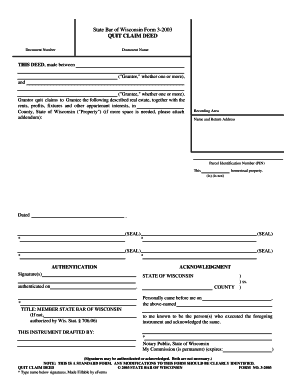
VENUE RENTAL AGREEMENT This Venue Rental Agreement with 2026

Get Form
VENUE RENTAL AGREEMENT This Venue Rental Agreement with Preview on Page 1

Here's how it works

01. Edit your form online
Type text, add images, blackout confidential details, add comments, highlights and more.

02. Sign it in a few clicks
Draw your signature, type it, upload its image, or use your mobile device as a signature pad.

03. Share your form with others
Send it via email, link, or fax. You can also download it, export it or print it out.

Definition and Meaning of the Venue Rental Agreement

The Venue Rental Agreement is a legally binding contract that outlines the terms and conditions for leasing a venue space. It specifies the obligations and rights of both the venue owner and the renter, ensuring a mutual understanding of all rental aspects. Typically used for events such as weddings, corporate meetings, and social gatherings, the agreement details specifics like event date, duration, and type, which are crucial for compliance and preventing any disputes. This document is essential for establishing a clear framework of responsibilities between the involved parties.

How to Use the Venue Rental Agreement

Understanding how to utilize the Venue Rental Agreement is critical for ensuring it serves its intended purpose. To begin with, review the entire document thoroughly to grasp all stipulations fully. It's important to verify that all event details, including dates and times, are correctly listed. Once confirmed, you can integrate any additional clauses that may fit your unique event requirements, ensuring that both parties' expectations and preferences are documented. After finalizing the agreement, all involved parties should sign it, ensuring each party has a copy for their records.

Steps to Complete the Venue Rental Agreement

  1. Gather Necessary Information: Identify all parties involved, including contact information and event specifics such as date, time, and nature of the event.
  2. Fill Out Agreement Details: Enter all pertinent details into the document, covering event scope, rental duration, and any equipment or services included.
  3. Review Rental Terms: Ensure all terms, including payment and cancellation policies, are explicitly stated and understood.
  4. Negotiate Adjustments if Needed: If the standard agreement isn't suitable, negotiate modifications that meet both parties’ needs. Amend clauses with legal assistance if necessary.
  5. Sign the Agreement: Upon consensus, have all involved parties, including legal representatives if applicable, sign the document to confirm acceptance.
  6. Distribute Copies: Provide a signed copy to all parties involved for official records.

Key Elements of the Venue Rental Agreement

The Venue Rental Agreement encompasses several vital components that must be meticulously considered:

  • Parties Involved: Clearly list and define the lessee and lessor, ensuring legal names are used.
  • Event Details and Usage: Specifics about the type of event, dates, and times when the venue will be used.
  • Rental Fees and Payment Terms: Detailed breakdown of costs, payment schedules, deposits, and any applicable taxes.
  • Cancellation and Refund Policy: Set conditions under which refunds will be given or penalties applied.
  • Responsibilities and Obligations: Define maintenance responsibilities, insurance requirements, and potential liabilities.
  • Signatures: Both parties must sign along with the date to authenticate the legal nature of the agreement.

Important Terms Related to Venue Rental Agreements

Understanding specific terminology is crucial when dealing with these agreements. Terms such as "force majeure," which pertains to unforeseeable events that prevent fulfillment of the contract, or "hold harmless clause," which limits liability, are commonly included. Familiarity with these terms aids in better comprehending the contract’s implications and provides a basis for informed discussions and modifications if needed.

Legal Use and Compliance

Ensuring legal compliance when utilizing a Venue Rental Agreement is essential. The document must adhere to local and federal laws, protecting against legal disputes. This includes understanding state-specific legislation if the venue is subject to different jurisdictional laws. Consulting with legal professionals can provide guidance on appropriate clauses and local compliance, ensuring the contract's enforceability.

Who Typically Uses the Venue Rental Agreement

This type of agreement is most often employed by event planners, businesses, and individuals hosting events that require specific accommodations. Legal entities such as corporations seeking conference spaces and private individuals planning significant personal events, like weddings or milestone celebrations, are typical users. Understanding the needs of these diverse groups helps in appropriately tailoring the agreement.


decoration image ratings of Dochub

State-Specific Rules for Venue Rental Agreements

Venue Rental Agreements must accommodate variations in state laws, as regulations may differ throughout the United States. These discrepancies can involve licensing requirements, insurance coverage, and tax obligations. Depending on the event location, additional permits may be required, affecting the agreement's structure. Legal consultation and diligence in researching state mandates ensure a comprehensive and compliant document.

be ready to get more

Complete this form in 5 minutes or less

Get form

Got questions?

We have answers to the most popular questions from our customers. If you can't find an answer to your question, please contact us.
Contact us
A venue rental agreement, at its core, is a legally binding contract between a venue owner and an event organizer. It outlines the terms and conditions of paying rent, under which the event organizer agrees to pay rent to a venue for a fixed period or specific event.
A venue is the location in which something takes place. In a legal context, it is important to have the proper geographic location and court to hold a civil or criminal trial; otherwise, there could be procedural issues that nullify the case.
Renting an event space can make party planning stress-free and easy. The event space staff can assist you with every aspect of the planning process, from choosing the right space to coordinating the event details. This can take the stress off your shoulders and allow you to focus on enjoying your party.
Venues provide the setting for events like parties, meetings, or weddings. The choice of venue affects the mood and style of the event. Many venues offer unique features, such as historic homesteads and natural preserves, which can enhance the atmosphere and provide guests with a memorable experience.
A venue is the place where an event or meeting is happening. If youre going to see the best band ever, you should get to the venue early to get a good seat. Venue is derived from the Latin for come (venire), and its a place people come to.

Security and compliance

At DocHub, your data security is our priority. We follow HIPAA, SOC2, GDPR, and other standards, so you can work on your documents with confidence.
Learn more
ccpa2
pci-dss
gdpr-compliance
hipaa
soc-compliance
be ready to get more

Complete this form in 5 minutes or less

Get form

People also ask

What to include in a house rental agreement. Location of the rental property. Start date of occupancy. Names of all tenants. Term of the tenancy, usually monthly. Amount of the security deposit. Amount of time for each pay period of the rental, usually monthly. Amount of each months rent. Preferred way to make rent payments.
What should a venue rental contract template include? Party details. Full names and contact information of both the venue provider and the client. Information about the event. Date, time, and description of the event. Financial terms. Description of services and amenities. Rules and regulations. Contingency plans.
Wedding Venue Contracts: What to Look for and Understand. When it comes to planning your dream wedding, choosing the right venue is crucial. Event Date and Time: Services and Inclusions: Pricing and Payment Terms: Guest Capacity and Minimums: Insurance and Liability: Vendor Restrictions: Noise and Curfew Policies:

Related links