





Definition & Meaning
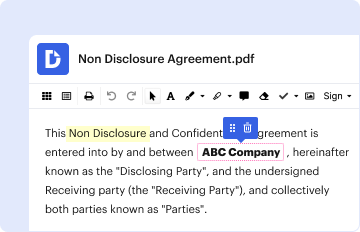
Online forms are digital versions of documents that you fill out via the internet using a computer or mobile device. This format allows users to enter data into predefined fields, making the collection and processing of information more efficient compared to traditional paper forms. These forms are used across various sectors, including business, government, and education, to streamline tasks such as applications, surveys, and registrations.
Types of Online Forms
- Application Forms: Used for job applications, school admissions, or service requests.
- Survey Forms: Collect feedback or opinions about products, services, or experiences.
- Registration Forms: For events, memberships, or online account creation.
- Order Forms: Facilitate the purchase of goods or services.
- Feedback Forms: Provide a structured method for receiving user feedback.
How to Use the Form Online
Using online forms involves interacting with a digital interface where you input information directly into the fields provided. This process is typically intuitive and guided to ensure ease of use.
Steps for Using Online Forms
- Access the Form: Locate the online form, often through a website or email link.
- Fill Out Required Fields: Enter data in all obligatory fields marked, which may appear as text boxes, checkboxes, or dropdown menus.
- Review Information: Double-check entries for accuracy and completeness.
- Submit the Form: Click the 'submit' button to send the form for processing. Some forms provide a confirmation upon submission.
- Save Confirmation: If available, save or print a confirmation receipt for your records.
Steps to Complete the Form Online
Completing an online form is straightforward, but accuracy is crucial. Follow these steps to ensure a smooth experience:
- Preparation: Gather necessary documents and information, such as identification numbers or reference details.
- Access and Navigate: Open the form using a compliant web browser and follow navigation instructions.
- Enter Data: Input data into each relevant field. Pay special attention to mandatory fields.
- Validate Entries: Check each entry for typos or errors to minimize submission issues.
- Submit and Await Response: Once submitted, the completed form will be processed, and any follow-up instructions will be provided.
Common Mistakes to Avoid
- Omitting required fields
- Entering incorrect information
- Failing to save a copy of the submission
Why Should You Form Online
Filling out forms online offers several advantages over traditional methods, including efficiency, accuracy, and accessibility.
Key Benefits
- Convenience: Access forms from anywhere, at any time.
- Time-Saving: Instantly submit and process forms without postal delays.
- Environmentally Friendly: Reduces paper use and physical storage needs.
- Enhanced Accuracy: Pre-defined fields limit errors and guide users through the required steps.
Key Elements of the Form Online
The design of an online form can significantly impact its usability and effectiveness. Essential components include:
- User-Friendly Interface: Clear layout, navigational elements, and instructions.
- Field Descriptions: Providing context for data input, ensuring users understand what is required.
- Validation Checks: Automatic prompts that alert users to incomplete or incorrect entries.
- Submission Feedback: Confirmation messages or emails verifying that the form has been received successfully.
Example Elements
- Name and Contact Information: Standard identifiers for most online forms.
- Selectable Options: Dropdown menus or checkboxes streamline user selections.
- Text Areas: Allow for detailed responses or comments.
Important Terms Related to Form Online
Understanding key terms associated with online forms can improve user interactions and compliance.
Common Terminology
- Field: An individual area of the form where data is entered.
- Validation: Process that checks data entry for accuracy and completeness.
- Submission: Final step that sends the form data for processing.
- Autofill: Feature that automatically populates fields with previously saved data.
Legal Use of the Form Online
The legal use of online forms involves compliance with regulations and standards to ensure the protection and validity of information submitted.
Legal Considerations
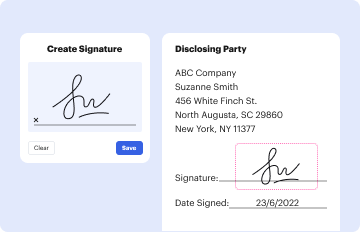
- ESIGN Act: Legally recognizes electronic signatures, equating them with handwritten ones.
- Data Protection: Compliance with laws such as GDPR or CCPA, ensuring user data is handled responsibly.
- Record Retention: Maintaining records as digital proof of transactions and communications.
Examples of Using the Form Online
Various scenarios highlight the versatility and value of online forms.
Real-World Scenarios
- Job Applications: Companies collect candidate information, speeding up recruitment processes.
- Event Registrations: Attendees can quickly sign up and pay for events, streamlining logistics.
- Surveys: Quick dissemination and collection of large-scale feedback from targeted audiences.
By integrating these elements and understanding their practical applications, the use of online forms becomes an integral part of efficient document handling and information management.


