
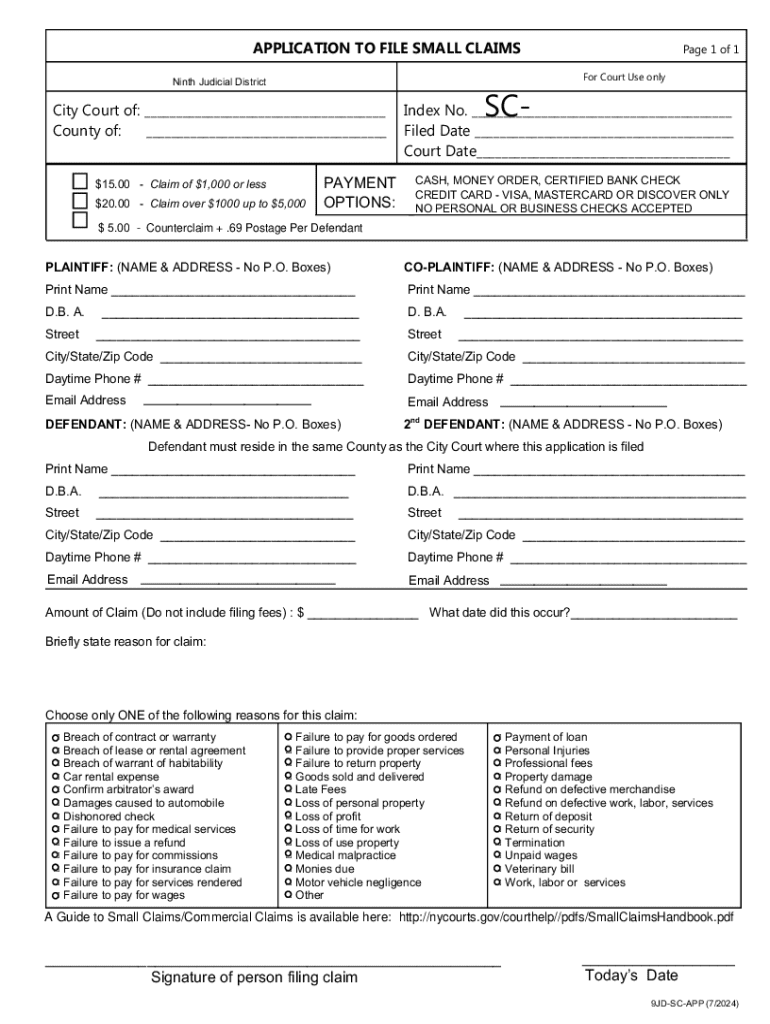







Definition & Meaning of Online Forms
Online forms are digital alternatives to traditional paper forms, designed to collect information over the internet. These forms function by submitting data directly to a server, allowing for efficient data storage and processing. They are commonly used by businesses, government agencies, and educational institutions to gather user information, process applications, and conduct surveys. Online forms can range from simple contact forms to more complex applications that include various field types such as text boxes, checkboxes, and dropdowns.
Key Features of Online Forms
- Accessibility: Available anytime, anywhere with internet access, accommodating a wide range of devices, including computers, tablets, and smartphones.
- Customizability: Forms can be easily customized to fit specific needs, incorporating unique branding elements and tailored questions.
- Data Validation: Includes built-in data validation to ensure that the information provided meets set criteria before it is submitted.
- Automation: Streamlines processes by automating tasks such as data entry, processing, and analysis, reducing manual workload.
How to Use the Form Online
To effectively use an online form, users must first understand the specific requirements and purpose of the form. Importing forms into platforms like DocHub allows you to fill them electronically, removing the need for paper handling. Familiarity with the form's components and any special instructions is essential for accurate completion.
Step-by-Step Instructions for Using Online Forms
- Access the Form: Navigate to the website or platform hosting the form. For platforms such as DocHub, login might be required.
- Review Instructions: Carefully read any instructions provided to understand how to properly complete the form.
- Fill Out Required Fields: Enter the necessary information in the mandatory fields. Use the predefined options, such as dropdown menus or checkboxes, when applicable.
- Review Entries: Cross-check all entered data for accuracy before submission.
- Submit the Form: Click the submit or save button to send the form. Ensure confirmation of submission is received, if applicable.
Steps to Complete the Form Online
Completing an online form involves precise interaction with the digital interface, ensuring all sections are filled as required.
Detailed Steps for Accurate Completion
- Identify Required Information: Determine which sections of the form must be completed. Typically indicated with an asterisk, these fields are crucial for processing.
- Input Information Carefully: Begin entering data into designated fields, ensuring all entries are correct and legible.
- Utilize Form Features: Make use of any additional functionalities like auto-fill, spell-check, and tooltips that enhance accuracy.
- Utilize the Preview Option: If available, preview the completed form to confirm that all inputs are correct and complete.
- Finalize Submission: Complete the process by clicking the 'submit' or 'finish' button, followed by any additional verification steps, like CAPTCHA.
Why Should You Use Forms Online
The digital nature of online forms offers significant advantages over their paper counterparts. Users and organizations benefit from enhanced efficiency, reliability, and accuracy.
Advantages of Using Online Forms
- Reduced Costs: Eliminates the need for printing, distribution, and manual data entry, leading to lowered operational costs.
- Environmental Impact: Reduces the use of paper, contributing to environmentally sustainable practices.
- Efficiency: Speeds up the process of data collection and analysis through automation and instantaneous transmission of data.
- Improved Accuracy: Minimizes errors associated with manual data entry, thanks to real-time validation and user-friendly interfaces.
Important Terms Related to Online Forms
Understanding key terminology associated with online forms aids in utilizing digital forms to their fullest potential.
Essential Glossary Terms
- Captcha: A type of challenge-response test designed to differentiate between human users and automated bots.
- Encryption: Secures data transmitted between the user and server, protecting against unauthorized access.
- Responsive Design: Ensures that forms adapt to different device screens for optimal viewing and interaction.
- Webhost: A service that provides the necessary technology and infrastructure to keep online forms accessible on the internet.
Legal Use of Online Forms
Legal frameworks govern the use of online forms, ensuring security and compliance in data handling and processing.
Compliance and Regulatory Considerations
- ESIGN Act: Provides that electronic forms and signatures have the same legal standing as their paper equivalents.
- GDPR: For forms accessed in Europe, compliance with data privacy standards as per General Data Protection Regulation is mandatory.
- HIPAA: Health-related forms must adhere to Health Insurance Portability and Accountability Act requirements to protect sensitive health information.
Key Elements of Online Forms
Comprehending the components and elements within online forms enhances user experiences and completion accuracy.
Fundamental Components of Online Forms
- Input Fields: Areas where data is entered, including text boxes, dropdown lists, and radio buttons.
- Labels and Instructions: Provide context and directives for each field to guide users on appropriate input.
- Submit Button: Triggers the data submission process upon form completion.
- Validation Alerts: Inform users of errors or omitted information, directing them to correct entries before submission.
Examples of Using Online Forms
Online forms find application across various sectors, tailored to meet specific organizational and user needs.
Common Scenarios
- Job Applications: Employers use forms to collect application details from potential candidates.
- Surveys and Feedback: Organizations use forms to gather user opinions and feedback to improve products and services.
- E-commerce Purchases: Online retailers use payment and order forms to facilitate sales and process customer orders.
By utilizing online forms, users can engage in efficient, secure, and automated data processing, making them an indispensable tool for modern information collection and management.




