



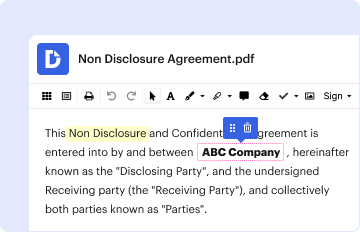
01. Edit your form online
Type text, add images, blackout confidential details, add comments, highlights and more.

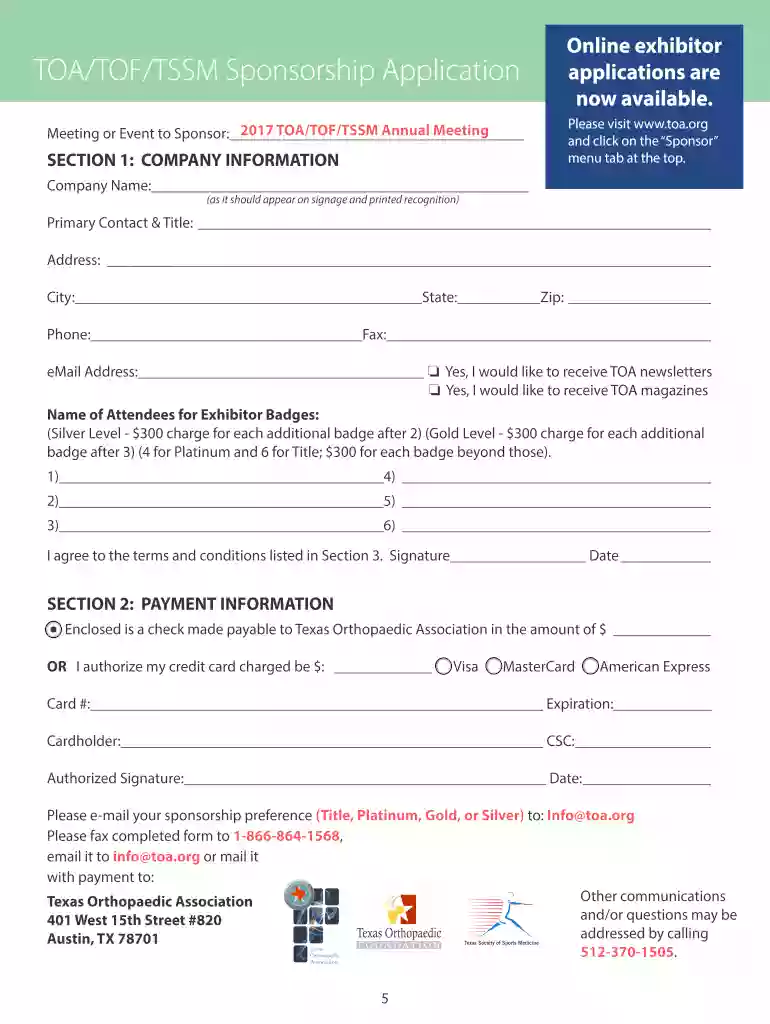
Type text, add images, blackout confidential details, add comments, highlights and more.
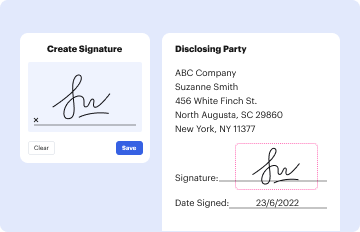
Draw your signature, type it, upload its image, or use your mobile device as a signature pad.

Send it via email, link, or fax. You can also download it, export it or print it out.
"Two dozen practice administrators" refers to a group of 24 individuals responsible for managing the operations of medical or healthcare practices. These professionals handle various tasks including financial management, staff coordination, compliance with healthcare regulations, and patient management systems. Their role is crucial in ensuring that a medical practice runs smoothly and efficiently, addressing both administrative and operational challenges.
Practice administrators are essential in linking the clinical and business aspects of healthcare facilities. They play a pivotal role in strategic planning, resource allocation, and optimizing practice productivity. This group serves as the backbone of medical practices, providing the necessary support for healthcare providers to focus on patient care.
Practice administrators need a strong understanding of financial principles to maintain the financial health of the practice. This involves creating budgets that align with the practice's goals and monitoring expenditures to prevent financial discrepancies.
Managing staff is a critical task, as it ensures that the practice is adequately staffed and that personnel are effectively supported to deliver quality care.
Compliance is a key responsibility, as non-adherence can lead to legal issues and financial penalties. Administrators must stay informed about changes in laws and adapt their practices accordingly.
Credentialing is essential to maintain the trust and validity of the practice, assuring patients and regulators of the staff’s qualifications.
Effective delegation and use of management tools can help streamline operations, reducing redundancy and enhancing productivity across the practice.
Engaging patients helps practices tailor services to meet patient needs and increase satisfaction, thereby enhancing overall practice reputation and retention.
Having a team of practice administrators allows for specialization and task division, leading to increased operational efficiency. Administrators can focus on specific practice areas such as finance, compliance, or patient services, ensuring that each domain is managed thoroughly.
By managing administrative burdens, practice administrators free up healthcare professionals to concentrate on providing high-quality patient care. This results in a better patient experience and improved health outcomes.
State regulations can affect everything from staffing ratios to operational procedures, requiring administrators to adapt their management strategies accordingly.
In Texas, practice administrators must be especially vigilant about state-specific medical billing laws and staffing regulations. Texas emphasizes transparency in billing practices, requiring detailed disclosures to patients.
Digital tools simplify administrative tasks, improve accuracy, and allow administrators to focus on more critical issues impacting the practice.
Practice administrators are integral to the success of medical practices, providing essential support in management, compliance, and patient engagement.
These professionals must be adaptable, willing to continually learn and implement new strategies to improve practice operations.
A well-rounded team of practice administrators working collaboratively ensures the seamless operation of medical practices, ultimately benefiting both providers and patients.
We've got more versions of the two dozen practice administrators form. Select the right two dozen practice administrators version from the list and start editing it straight away!
At DocHub, your data security is our priority. We follow HIPAA, SOC2, GDPR, and other standards, so you can work on your documents with confidence.
by K MacDonald 2002 Cited by 26 This report was compiled from interviews with over two-dozen physi- cians and their staff in small practices who are using information tech- nology at the point
The accreditation process provides more than two dozen best practices for geriatric care and the level of GEDA accreditation achieved depends upon how many of
Jan 9, 2017 PURPOSE. The purpose of this memorandum is to continue to facilitate cleanups at contaminated sediment sites.


