Qualifying to Take the PE ExamPE Exam Requirements 2026

Get Form
Qualifying to Take the PE ExamPE Exam Requirements Preview on Page 1

Here's how it works

01. Edit your form online
Type text, add images, blackout confidential details, add comments, highlights and more.

02. Sign it in a few clicks
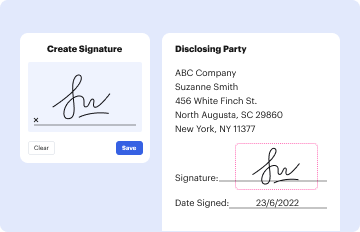
Draw your signature, type it, upload its image, or use your mobile device as a signature pad.

03. Share your form with others
Send it via email, link, or fax. You can also download it, export it or print it out.

Definition and Purpose of the PE Exam Requirements

The Professional Engineer (PE) Exam is a significant milestone for individuals aiming to advance their careers in engineering within the United States. The exam is designed to assess your competency and understanding of engineering principles and practices. Meeting PE Exam Requirements is crucial as it determines eligibility for taking the exam and ultimately gaining licensure as a Professional Engineer. These requirements typically include a combination of education, experience, and an understanding of legal regulations specific to your state or region.

Importance of PE Licensure

Obtaining a PE license is vital for ensuring that engineers meet standardized criteria, thereby protecting public safety and welfare. Licensure signifies a professional’s commitment to maintaining high standards and ethical practice in engineering.

Eligibility Criteria for the PE Exam

Meeting eligibility criteria is essential for qualifying to take the PE exam. Criteria generally include:


  • Educational Background: An accredited degree in engineering or a related field is typically required.
  • Work Experience: Most states require candidates to have several years of work experience under the direct supervision of a licensed PE.
  • Fundamentals of Engineering (FE) Exam: Passing this preliminary exam is often a prerequisite.
decoration image ratings of Dochub

Educational Qualifications

It's important to verify that your educational qualifications are from an accredited institution. Many states recognize degrees from programs accredited by ABET or equivalent organizations.

Step-by-Step Application Process

Applying to take the PE exam involves several key steps. Understanding and following these steps precisely can help ensure a successful application.

  1. Verify Eligibility: Confirm that you meet all educational and experiential prerequisites specific to your state.
  2. Gather Required Documents: Collect academic transcripts, work experience verification, and any required reference letters.
  3. Submit Application: Applications may be submitted online or via mail, depending on state regulations.
  4. Pay Fees: Application fees vary by state and should be confirmed during the planning phase.
  5. Await Approval: Approval times can differ significantly based on workload and specific state processing times.

Key Documents Needed

  • Academic transcripts
  • Verification of work experience
  • References from licensed professionals
  • Proof of passing the FE exam

State-Specific Rules and Variations

Each state in the U.S. has specific rules and variations regarding the requirements to take the PE exam. Understanding these disparities is crucial for tailoring your application:

  • Deadlines: Application and testing deadlines differ from state to state.
  • Experience Requirements: Some states require specific types of engineering experience, potentially influencing your required working background.
  • Application Processes: While some states maintain exclusively electronic submission systems, others may still accept paper applications.

Example: California vs. New York

In California, candidates must submit a separate verification of experience form directly to the Board, while in New York, everything is handled within a single comprehensive application package.

Required Documents and Submission Methods

Submitting the necessary documentation correctly is as important as meeting eligibility criteria.

  • Document Types: Include your ID proof, professional resumes, and any additional documents specified by your state.
  • Submission Channels: Verify whether electronic or postal submissions are accepted and what forms of payment are necessary for application fees.

Tips for Successful Submission

  • Ensure all documents are certified copies where required.
  • Double-check deadlines and ensure submissions are made well before the cut-off dates to accommodate any potential processing delays.

Application Process and Approval Time

Understanding the application process and expected approval timelines can help candidates prepare better and strategically plan their examination schedule.

Detailed Process

  • Initial Submission: Submit all required documentation, fees, and the completed application form.
  • Review Period: This stage involves the state governing body verifying your submitted data, which can vary from weeks to months.
  • Notification: Receiving a confirmation or rejection notice, with guidance on the next steps if additional information is needed.

Real-World Scenario

In Illinois, typical processing times range from two to three months, making it imperative that candidates prepare early to meet their desired testing timeline, especially with set seasonal cut-off dates.

Legal And Ethical Compliance

Awareness of legal and ethical standards in the engineering field is paramount. The PE licensure endorses your understanding of these concepts, and the exam reinforces commitment to them.

  • State Mandates: Know the specific statutory requirements for the ethical practice of engineering in your state.
  • Code of Ethics: Familiarize yourself with the National Society of Professional Engineers (NSPE) Code of Ethics, which most states consider in their licensure requirements.

Examples of Ethical Considerations

  • Ensuring transparency in project scope and budgetary constraints when dealing with clients.
  • Maintaining confidentiality agreements as mandated by legal statutes or client instructions.

Key Takeaways for Aspiring Engineers

Meeting the PE Exam Requirements is essential for engineers to establish credibility and proficiency in their respective fields. Awareness of state-specific guidelines, prompt submission of accurate and complete documentation, and detailed understanding of the application process can significantly enhance the likelihood of a successful application. Moreover, embracing legal and ethical compliance ensures that certified engineers uphold the integrity and safety standards the public relies upon in all engineering endeavors.

See more Qualifying to Take the PE ExamPE Exam Requirements versions

We've got more versions of the Qualifying to Take the PE ExamPE Exam Requirements form. Select the right Qualifying to Take the PE ExamPE Exam Requirements version from the list and start editing it straight away!
Versions Form popularity Fillable & printable
2020 4.9 Satisfied (22 Votes)
2019 4.4 Satisfied (120 Votes)
2019 4.2 Satisfied (28 Votes)
2014 4.3 Satisfied (52 Votes)
2012 4 Satisfied (43 Votes)
be ready to get more

Complete this form in 5 minutes or less

Get form

Got questions?

We have answers to the most popular questions from our customers. If you can't find an answer to your question, please contact us.
Contact us
When can I take the Principles and Practice of Engineering (PE) Examination and what does it mean when I pass it? Generally four more years of experience are required before the EIT or EI is permitted to sit for the PE exam.
As mentioned earlier, there is no predefined PE passing score set by the NCEES you need to achieve for the PE Exam. However: It is suggested that the average passing score for the PE exam is about 70%. It means you will need to correctly answer about 70% of the problems, that is roughly 56 out of 80 correct responses.
To obtain a PE license in Ohio, youll follow these steps: Its usually taken in your final year of undergraduate studies or shortly after graduation. Gain the necessary engineering work experience: You need at least four years of progressive engineering work experience under the supervision of a licensed PE.
In order to apply for a PE license in Ohio, applicants must show proof of completion of: Educational requirements, including a bachelors degree in engineering. Successful passing of the PE exam. Four years of progressive experience under a licensed PE in the U.S. Successful passing of the FE exam.
To apply for authorization to take the PE exam, candidates must: Demonstrate: At least 60 months of education and/or experience. Verify: Passing the FE exam or obtaining an FE exam waiver. PE Exam Waiver: Show at least 10 years of registration or licensure in the same profession.

Security and compliance

At DocHub, your data security is our priority. We follow HIPAA, SOC2, GDPR, and other standards, so you can work on your documents with confidence.

Learn more
ccpa2
pci-dss
gdpr-compliance
hipaa
soc-compliance

People also ask

Upon completion of the FE Exam, an engineer obtains Engineer in Training (EIT) status, and after four years work in the field with EIT status, he/she can take the Professional Engineering (PE) Exam and earn PE licensure.
PE Exam Experience Requirements To take the PE exam, you must have: A degree from an Accreditation Board for Engineering and Technology (ABET)-accredited engineering program. Passed the FE exam. At least 4 years of qualifying engineering experience.

Related links