





Definition & Purpose of the Hospice-Nursing Home Interface, P-00252 - Wisconsin Department of
The "Hospice-Nursing Home Interface, P-00252 - Wisconsin Department of" is a standardized form used to facilitate communication between hospice care providers and nursing homes within Wisconsin. The primary aim of this document is to ensure that all parties involved in the care of a hospice patient within a nursing facility are aligned regarding the patient's status and care plan. This form is crucial for maintaining an organized and efficient workflow, ensuring that transitions in care—such as admissions, discharges, transfers, and changes in patient status—are handled smoothly and communicated effectively to all relevant parties. The form typically includes sections where detailed information about the resident, their chosen hospice provider, and specific care actions to be undertaken are recorded.
How to Obtain the Hospice-Nursing Home Interface, P-00252 - Wisconsin Department of
To obtain the Hospice-Nursing Home Interface, P-00252 form, hospice providers and nursing facilities in Wisconsin can access it through several channels:
-
Official State Websites: The most reliable source is the Wisconsin Department of Health Services website, where forms related to healthcare regulations are made available for download.
-
Healthcare Networks: Nursing homes and hospices often belong to larger healthcare networks that provide necessary forms and documents to their member institutions.
-
Direct Requests: Facilities can request this form directly from the Wisconsin Department of Health Services (DHS) by mail or phone if online access is not feasible.
-
Electronic Health Record Systems: Some facilities may have integrated systems that include a range of regulatory forms, allowing staff to generate the document directly within their workflow software.
Steps to Complete the Hospice-Nursing Home Interface, P-00252 - Wisconsin Department of
-
Gather Resident Information: Begin by collecting all necessary details of the patient, including full name, date of birth, and current contact information. This ensures that the form is accurately linked to the correct individual.
-
Detail Hospice Provider Information: Fill in the details regarding the hospice provider, including their name, contact details, and any specific instructions or protocols they follow.
-
Document the Purpose of the Notification: Specify the reason for submitting this form, which could be due to the election of hospice care, a change in the level of care, transfer between facilities, or a termination of services.
-
Compile Required Supporting Information: Include additional relevant information such as medical history, current treatment plans, and any active medication regimens.
-
Review and Verify: Before submission, ensure all fields are completed accurately, and all information is verified with existing records to prevent errors or omissions.
Key Elements of the Hospice-Nursing Home Interface, P-00252 - Wisconsin Department of
-
Patient Identification Section: Includes comprehensive fields for patient identifiers to ensure precise identification and tracking.
-
Care Details Section: Describes current health status, care objectives, and any necessary interventions or palliative measures to be undertaken by the care team.
-
Communications Log: A log or checklist to document all communications made with family members, caregivers, and legal representatives regarding the patient’s care.
-
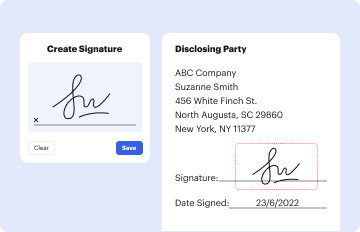
Signature and Date Fields: To validate the form, sections where authorized hospice and nursing home representatives must sign and date.
State-Specific Rules for the Hospice-Nursing Home Interface, P-00252 - Wisconsin Department of
-
Timeframes: Wisconsin mandates that certain notifications via this form be submitted within a specific timeframe, typically two business days, to ensure timely updates to patient records.
-
Submission Protocols: The form must be sent to specified regulatory bodies within Wisconsin and might require submission through secure electronic communications to protect sensitive patient information.
-
Compliance Requirements: Failure to comply with state rules regarding the completion and submission of this form can lead to penalties or sanctions against the healthcare providers involved.
Examples of Using the Hospice-Nursing Home Interface, P-00252 - Wisconsin Department of
-
Electing Hospice: When a nursing facility resident elects to receive hospice services, this form is used to inform the nursing home and ensure a transfer of relevant medical records to the hospice provider.
-
Change in Care Level: When a patient’s condition changes significantly, this form outlines the necessary adjustments to their care plan, notifying all relevant parties of the change.
-
Discharge from Hospice: If a patient decides to revoke hospice care or is transferred to another facility, this form allows for the seamless exchange of information, minimizing disruption in care.
Important Terms Related to the Hospice-Nursing Home Interface, P-00252 - Wisconsin Department of
-
Hospice Care: A model of care designed to provide comfort and quality of life for individuals with terminal illness, focusing on symptom management rather than curative treatment.
-
Interdisciplinary Team: A coordinated group of healthcare providers, including doctors, nurses, social workers, and chaplains, working collaboratively to deliver hospice care.
-
Palliative Measures: Medical treatments focused on alleviating symptoms and improving the comfort of patients during hospice care.
-
Advance Directive: A legal document stating a patient’s preferences regarding medical treatment and interventions, which guides decisions about care.
Penalties for Non-Compliance
Non-compliance with the procedures for using the Hospice-Nursing Home Interface, P-00252 may result in:
-
Regulatory Sanctions: Healthcare facilities may face penalties from the Wisconsin DHS if the form is not submitted accurately or within required timeframes.
-
Legal Consequences: Potential lawsuits or complaints from patients or their families if failures in communication lead to inadequate care or violations of patient rights.
-
Loss of Certification: The nursing home or hospice provider risks losing state certifications or accreditations, thereby affecting their operational capacities.
Digital vs. Paper Version of the Hospice-Nursing Home Interface, P-00252
-
Digital Version: Offers ease of use, enabling swift completion and submission through electronic health systems, often with built-in validations to check for errors or omissions.
-
Paper Version: While more traditional, this may be necessary for facilities without robust digital systems. It provides a physical record but can be more prone to errors or delays in submission due to the manual process.
Maximizing the utility of the "Hospice-Nursing Home Interface, P-00252 - Wisconsin Department of" involves understanding its nuanced purpose and leveraging the form accurately to ensure compliant, patient-focused care that meets regulatory standards.




