




01. Edit your form online
Type text, add images, blackout confidential details, add comments, highlights and more.

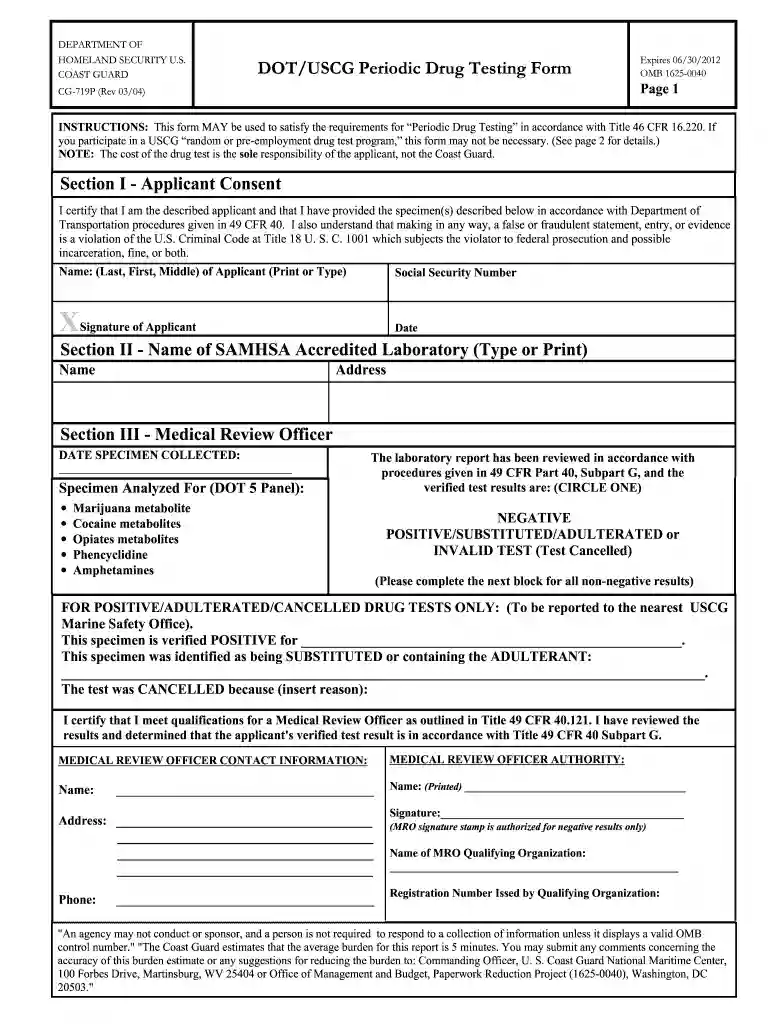
Type text, add images, blackout confidential details, add comments, highlights and more.

Draw your signature, type it, upload its image, or use your mobile device as a signature pad.

Send it via email, link, or fax. You can also download it, export it or print it out.
The "blank std test results form 2004" refers to a standardized document used, potentially, for recording and reporting the results of sexually transmitted diseases (STD) tests. In the context of 2004, the form may have been part of efforts to systematically document STD rates, streamline testing procedures, or establish uniform reporting standards across different healthcare facilities. Typically, such forms include sections for patient identification, test details, and result entries. Utilizing this form could help healthcare providers ensure consistency and compliance with regulatory requirements while maintaining patient confidentiality.
Using the blank std test results form from 2004 involves several key steps to ensure accuracy and compliance with health standards. Users should understand the layout and designated sections of the form. Begin by entering accurate patient information in the identification section. This includes name, date of birth, and contact information. Next, fill in the test details, indicating the types of tests conducted, date of testing, and relevant laboratory details. For result entries, use clear, legible terms—positive, negative, or inconclusive. Always ensure the healthcare provider's details and the signature of the authorized personnel—usually mandatory for validity—are included.
To obtain a blank std test results form from 2004, a few methods can be considered. Depending on your workplace or institution, you might access these documents through the internal system or request them from the administrative office. If your institution does not maintain historical archives, it might be helpful to consult national health agencies or medical associations, as they might hold archived forms for reference purposes. In certain cases, consulting official websites of health authorities or healthcare service providers could provide digital copies of such forms or functional equivalents.
Completing the blank std test results form involves a meticulous process to ensure complete and accurate information. Begin by collecting the necessary personal and medical information required for the form. After gathering all information, use a black or blue pen to fill out the form, as this ensures legibility and permanence. Each section should be reviewed carefully for accuracy. Once you have completed all patient and test sections, ensure that a qualified healthcare provider validates the form with a signature and any required stamps. Lastly, make copies for the patient and medical records, maintaining confidentiality at all times.
Healthcare professionals primarily use the blank std test results form. This includes doctors, nurses, laboratory technicians, and administrative staff in medical facilities. The form may also be used by public health officials and researchers tracking STD statistics and trends. Medical facilities such as clinics, hospitals, and testing centers rely on the form to ensure standardized reporting procedures. Employees handling these documents are expected to have training in confidentiality and accuracy to maintain patient privacy and data security.


The blank std test results form is structured to capture comprehensive medical data efficiently. The key elements include:
Each section is critical for ensuring that the form delivers thorough and precise documentation of the testing process and results.
Using the blank std test results form adheres to legal and regulatory frameworks for handling medical information. Medical facilities must comply with privacy laws such as the Health Insurance Portability and Accountability Act (HIPAA) when handling patient data on the form. Only authorized personnel should handle and process these documents. Document integrity and confidentiality are of paramount importance, and maintaining authorization records helps protect patient data and shield medical facilities from legal repercussions.
Understanding the terminology used in the blank std test results form is crucial for accurate completion and interpretation. Terms commonly found on the form include:
These terms help practitioners accurately document and communicate important medical and test-related information.
The blank std test results form plays an essential role in real-world healthcare settings. For instance, in university health clinics, the form is used to systematically report student health screenings. In public health research, it’s applied to analyze STD prevalence rates among different demographics. STD testing centers utilize the form for routine patient evaluations, ensuring that data trends are captured for future analysis and public health reporting. Such practical applications ensure the form remains central to effective healthcare delivery and monitoring.
Maintain comprehensive records for educational and public health research.
We've got more versions of the blank std test results form 2004 form. Select the right blank std test results form 2004 version from the list and start editing it straight away!
At DocHub, your data security is our priority. We follow HIPAA, SOC2, GDPR, and other standards, so you can work on your documents with confidence.
This booklet includes the forms needed for maintaining occupational injury and illness records. 1-800-321- OSHA
Directions: Give the patient a laminated copy of the REALM and score answers on an unlaminated copy that is attached to a clipboard. Hold the clipboard atRead more


