



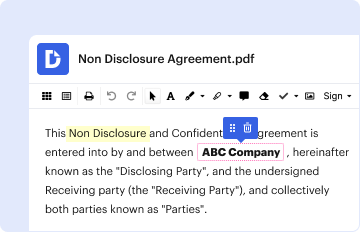
01. Edit your form online
Type text, add images, blackout confidential details, add comments, highlights and more.

Type text, add images, blackout confidential details, add comments, highlights and more.
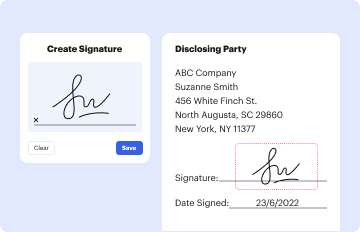
Draw your signature, type it, upload its image, or use your mobile device as a signature pad.

Send it via email, link, or fax. You can also download it, export it or print it out.
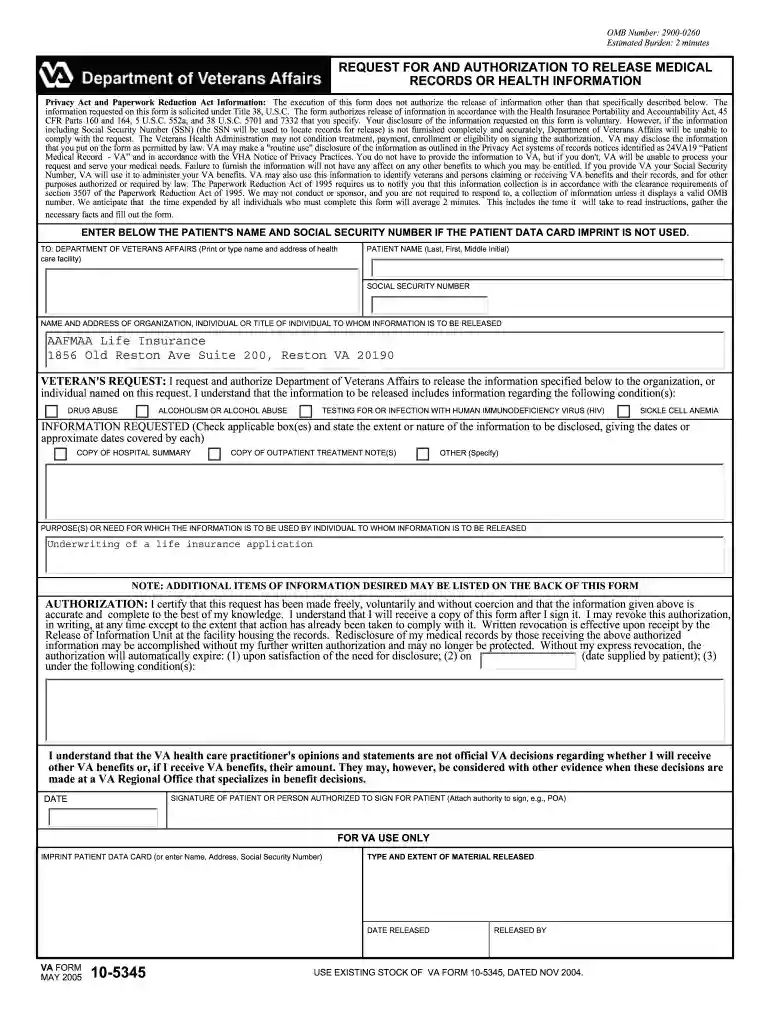
The VA Release form is an official document used by the Department of Veterans Affairs (VA) to authorize the disclosure of an individual's medical records or health information. This release is essential for those looking to share their sensitive medical data in a controlled and legally compliant manner. The form outlines the specific conditions under which medical information can be released, aligning with privacy laws such as the Health Insurance Portability and Accountability Act (HIPAA). It is generally required for purposes such as life insurance underwriting, facilitating a legal request where patient consent is paramount. By submitting this form, the patient allows their health data to be shared with specified parties, ensuring transparency and control over personal information.
Completing the VA Release form requires careful attention to detail to ensure all necessary information is included and accurately recorded. Follow these steps to effectively fill out the form:
Patient Information:
Details of the Information Requested:
Purpose of the Disclosure:
Recipient Information:
Signature and Date:
Using the VA Release form is crucial for individuals who need to legally and securely share their medical information. This process ensures compliance with federal privacy regulations, safeguarding the patient's data while allowing necessary disclosures. The VA Release provides:
Understanding the terminology used in the VA Release is critical to correctly completing and using the form:
The VA Release is a legally binding document that must be used in accordance with applicable laws like HIPAA. It ensures that:
The VA Release form includes several critical components that must be completed accurately:
The VA Release form can be utilized in a variety of scenarios, highlighting its adaptability and importance:
The VA Release form can be submitted through multiple channels, catering to different preferences and needs:
Selecting the appropriate method depends on personal preference and urgency of the request. Each submission method ensures the form is processed in compliance with legal standards.
We've got more versions of the VA Release form. Select the right VA Release version from the list and start editing it straight away!
At DocHub, your data security is our priority. We follow HIPAA, SOC2, GDPR, and other standards, so you can work on your documents with confidence.
Jul 30, 2026 Use VA Form 21-4142 to give us permission to obtain your personal information from a non-VA source like a private doctor or hospital.Read more
VA Form 25-8832 is available on the internet. You are a Veteran eligible for a educational benefit; 2. You were discharged or released from active duty


