




Here's how it works
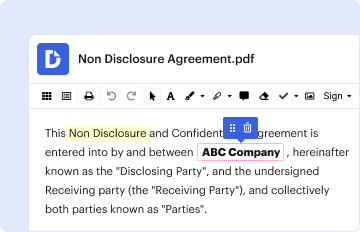
01. Edit your connecticut application docket online
Type text, add images, blackout confidential details, add comments, highlights and more.
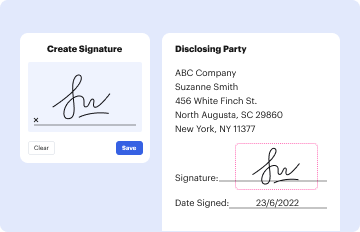
02. Sign it in a few clicks
Draw your signature, type it, upload its image, or use your mobile device as a signature pad.
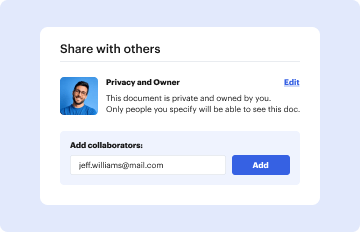
03. Share your form with others
Send ct land use litigation docket via email, link, or fax. You can also download it, export it or print it out.
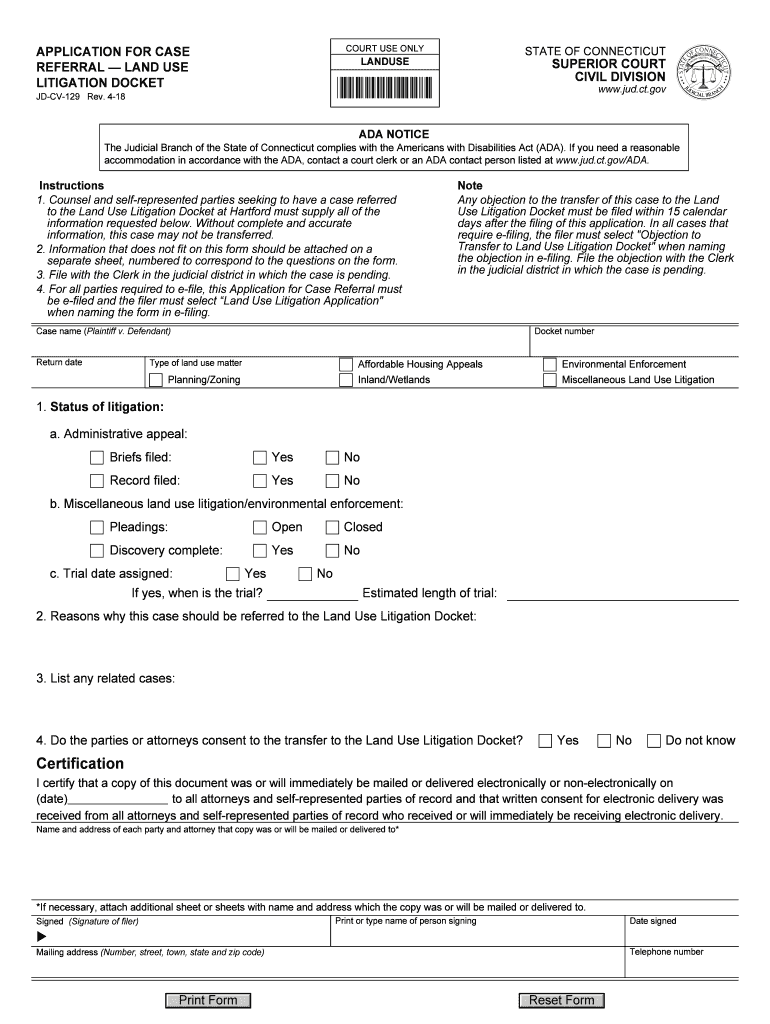
How to use or fill out Connecticut Case Docket Form Search with DocHub

- Click ‘Get Form’ to open the Connecticut Case Docket Form in our platform's editor.
- Begin by entering the docket number and case name (Plaintiff v. Defendant) in the designated fields. Ensure accuracy as this information is crucial for identification.
- Select the return date and type of land use matter from the provided options, such as Planning/Zoning or Environmental Enforcement.
- Indicate the status of litigation by checking 'Yes' or 'No' for administrative appeals and whether briefs have been filed. Provide details on trial dates if applicable.
- In the section for reasons for referral, clearly articulate why this case should be transferred to the Land Use Litigation Docket.
- List any related cases in the appropriate field, ensuring that all relevant connections are noted.
- Confirm whether all parties consent to the transfer by selecting 'Yes', 'No', or 'Do not know'.
- Complete the certification section by providing your name, signature, date signed, telephone number, and mailing address. Ensure that you have notified all parties involved.
Start using our platform today to streamline your document editing and form completion process for free!
Fill out connecticut case docket form search online
It's free
It's free
See more connecticut case docket form search versions
We've got more versions of the connecticut case docket form search form. Select the right connecticut case docket form search version from the list and start editing it straight away!
Got questions?
We have answers to the most popular questions from our customers. If you can't find an answer to your question, please contact us.
Contact us
What types of cases does CT Judicial handle?
Divisions of Superior Court - CT Judicial Branch. The Superior Court hears civil, criminal, family and juvenile matters. Civil Division hears cases in which someone is being sued to protect civil, personal or property rights.
How do I find someones criminal record in CT?
Visit the Court Record Custodian Criminal court records for the state of Connecticut judicial branch are typically maintained by the clerk of court for each courthouse. Interested parties who wish to access these records in person should visit the office of the clerk at the courthouse where the case was filed.
How long does a warrant last in Connecticut?
While some court proceedings may have statutes of limitations, most warrants in Connecticut remain active indefinitely. In other words, a warrant does not expire and can remain active for many years. The court can only cancel them upon a suspects surrender or after their arrest or the individual dies.
How to look-up warrants in CT?
Arrest Warrant Lookup in Connecticut Searching the Most Wanted lists or arrest logs maintained by local police departments. Contact the Office of Policy and Management (OPM) by phone at (877)312-7807 or by email. Visiting local police departments or superior courts in person.
Is a CT case lookup public record?
Members of the public have the right to see any document in any court file, unless a court has sealed the file, or statute has rendered the contents of the file confidential.
Security and compliance
At DocHub, your data security is our priority. We follow HIPAA, SOC2, GDPR, and other standards, so you can work on your documents with confidence.
Learn more


People also ask
How can I find CT court case records?
You may also call the Centralized Services Unit at 860-263-2750. All requests for files must include the name of the case and docket number. Docket numbers may be available on-line at .jud.ct.gov by utilizing the case look-up function. Files should be available within one or two business days.
How do I check if I have a warrant in CT?
Other ways of conducting arrest warrant lookups in Connecticut include: Searching the Most Wanted lists or arrest logs maintained by local police departments. Contact the Office of Policy and Management (OPM) by phone at (877)312-7807 or by email. Visiting local police departments or superior courts in person.
How do I find out if a person has an active warrant?
Online warrant search: Many counties in California have online databases where you can search for active warrants. These databases can be accessed through the countys sheriffs office or court website.