Federal Register :: Privacy Act; Alien File (A-File) and Central Index ... 2026

Get Form
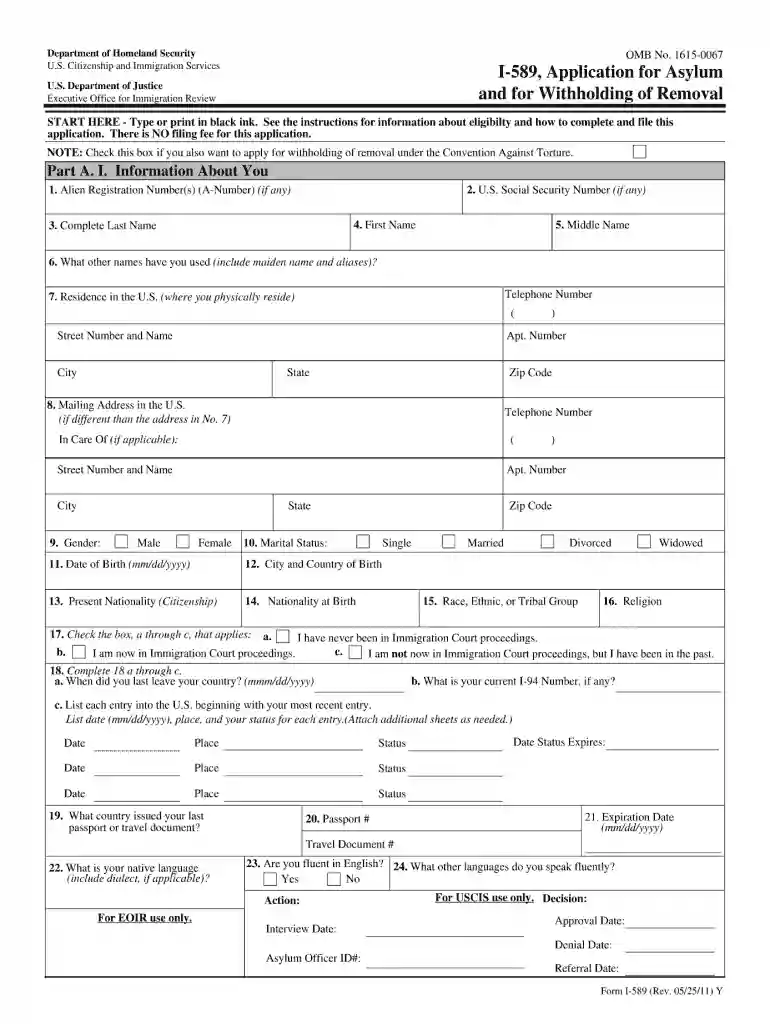
Federal Register :: Privacy Act; Alien File (A-File) and Central Index ... Preview on Page 1

Here's how it works

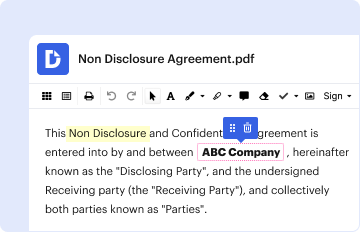
01. Edit your form online
Type text, add images, blackout confidential details, add comments, highlights and more.

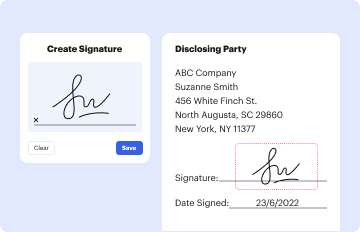
02. Sign it in a few clicks
Draw your signature, type it, upload its image, or use your mobile device as a signature pad.
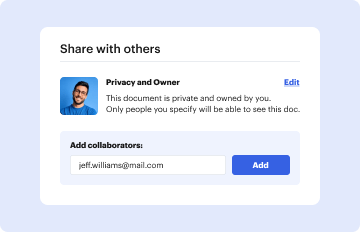
03. Share your form with others
Send it via email, link, or fax. You can also download it, export it or print it out.

How to use or fill out Federal Register :: Privacy Act; Alien File (A-File) and Central Index ... with our platform

Form edit decoration
9.5
Ease of Setup
DocHub User Ratings on G2
9.0
Ease of Use
DocHub User Ratings on G2
  1. Click ‘Get Form’ to open it in the editor.
  2. Begin by reviewing the introductory section, which outlines the purpose of the A-File. This will help you understand the context of the information you need to provide.
  3. Proceed to fill out personal identification fields such as your name, date of birth, and alien registration number. Ensure accuracy as this information is crucial for processing.
  4. In the next section, provide details regarding your immigration status and any relevant history. Use our platform’s text tools to add notes or comments if necessary.
  5. Finally, review all sections for completeness and accuracy before submitting. Utilize our platform’s features to save your progress or share it with others for feedback.

Start using our platform today to easily complete your Federal Register forms online for free!

See more Federal Register :: Privacy Act; Alien File (A-File) and Central Index ... versions

We've got more versions of the Federal Register :: Privacy Act; Alien File (A-File) and Central Index ... form. Select the right Federal Register :: Privacy Act; Alien File (A-File) and Central Index ... version from the list and start editing it straight away!
Versions Form popularity Fillable & printable
2023 4.8 Satisfied (60 Votes)
2020 4.8 Satisfied (76 Votes)
2019 4.3 Satisfied (145 Votes)
2017 4.4 Satisfied (78 Votes)
2014 4.4 Satisfied (117 Votes)
2012 4.4 Satisfied (417 Votes)
2011 4 Satisfied (28 Votes)
2006 4.2 Satisfied (66 Votes)
2001 4.1 Satisfied (51 Votes)
be ready to get more

Complete this form in 5 minutes or less

Get form

Got questions?

We have answers to the most popular questions from our customers. If you can't find an answer to your question, please contact us.
Contact us
The Privacy Act requires each agency to publish in the Federal Register a system of records notice (SORN) identifying and describing each system of records the agency maintains, including the purposes for which the agency uses information about individuals in the system, the routine uses for which the agency discloses
Both privacy laws address similar needs, but that does not mean that they are alike in every way. The big difference is in what the acts apply to. HIPAA pertains only to public and private entities working with PHI, while the Privacy Act governs federal agencies regardless of function.
The Privacy Act applies to records about individuals that are maintained in a system of records. A system of records is a group of any records under the control of an agency from which information is retrieved by the name of an individual or by some identifying number, symbol, or other identifying particular
The Privacy Act allows for criminal penalties in limited circumstances. An agency official who improperly discloses records with individually identifiable information or who maintains records without proper notice, is guilty of a misdemeanor and subject to a fine of up to $5,000, if the official acts willfully.
The Contractor will be required to design, develop, or operate a system of records on individuals, to accomplish an agency function subject to the Privacy Act of 1974, Public Law 93-579, December 31, 1974 (5 U.S.C. 552a) and applicable agency regulations.

Security and compliance

At DocHub, your data security is our priority. We follow HIPAA, SOC2, GDPR, and other standards, so you can work on your documents with confidence.

Learn more
ccpa2
pci-dss
gdpr-compliance
hipaa
soc-compliance
be ready to get more

Complete this form in 5 minutes or less

Get form

People also ask

The Privacy Act of 1974, as amended, provides safeguards against unwarranted invasions of privacy by establishing a code of fair information practices.

Related links