




01. Edit your form online
Type text, add images, blackout confidential details, add comments, highlights and more.

Type text, add images, blackout confidential details, add comments, highlights and more.

Draw your signature, type it, upload its image, or use your mobile device as a signature pad.

Send it via email, link, or fax. You can also download it, export it or print it out.
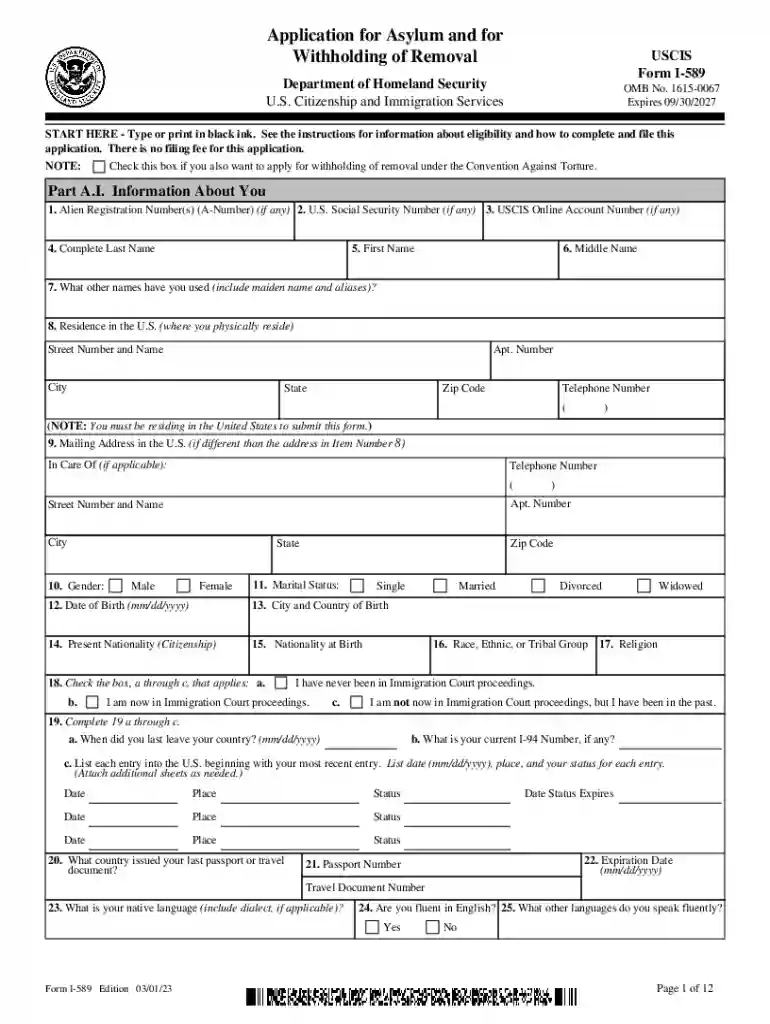
Form I-589, officially known as the Application for Asylum and for Withholding of Removal, is crucial for individuals seeking asylum in the United States. This document allows applicants to detail their personal and familial circumstances, including instances of persecution or fear of persecution due to race, religion, nationality, political opinion, or membership in a particular social group. The form serves as both an application for asylum and a request for withholding of removal, offering protection from being returned to a country where the applicant faces danger.
Form I-589 is primarily utilized by non-citizens present in the U.S. who seek protection from persecution in their home countries. Those eligible include individuals who have entered the U.S. on a valid visa or other lawful status, as well as certain individuals who have entered unlawfully but apply within one year of their arrival. This form is also used by individuals in removal proceedings to request protection from being sent back to their home country.
Applicants can access Form I-589 through the United States Citizenship and Immigration Services (USCIS) website. The form is available as a downloadable PDF, allowing applicants to fill it electronically or print it for manual completion. It is essential to ensure that the version used is the most current, as outdated forms may lead to application delays.
Personal Information: Begin by filling out your personal details, including your full name, date and place of birth, and current address.
Family Information: Provide details of family members, including spouses and children, listing their full names, dates of birth, and places of residence.
Basis for Asylum: Explain your reasons for seeking asylum, describing incidents of past harm or persecution and the fears of future persecution you may face.
Additional Information: Include any supplementary information supporting your claim, such as affidavits or corroborative evidence.
Sign and Date: Ensure the application is signed and dated, confirming its accuracy and your intent to apply for asylum.
Supporting documentation plays a crucial role in the success of your Form I-589 application. Essential documents include:
Filing Form I-589 initiates a legal process that can significantly affect an applicant's immigration status. Successful applications can result in asylum, granting the applicant a pathway to permanent residency and eventual citizenship. However, the process requires meticulous adherence to immigration laws and deadlines. Misrepresentation or errors can lead to application denial or legal penalties.
Failure to submit accurate information or to file within the stipulated timeline can have severe repercussions. This includes denial of asylum, deportation procedures, and ineligibility for asylum in the future. Applicants must carefully follow filing instructions and legal requirements to avoid these consequences.
The form comprises several sections that must be completed thoroughly:
Applicants have several options for submitting Form I-589:
To qualify for asylum through Form I-589, applicants must:


The asylum application process can be intricate and time-consuming. Once Form I-589 is submitted, applicants may be required to:
Biometrics Appointment: Attend to provide fingerprints, photographs, and signatures.
Asylum Interview: Discuss the asylum claim in detail with a USCIS officer.
Decision Awaiting: Receive a determination on the claim, which may take several months depending on the case complexity and caseload.
Overall, understanding and correctly completing Form I-589 is fundamental for those seeking asylum in the U.S. The process demands careful attention to detail, awareness of legal precedents, and readiness to provide comprehensive supporting documentation.
We've got more versions of the Form I-589 form. Select the right Form I-589 version from the list and start editing it straight away!
| Versions | Form popularity | Fillable & printable |
|---|---|---|
| 2025 | 4.7 Satisfied (32 Votes) | |
| 2023 | 4.8 Satisfied (60 Votes) | |
| 2023 | 4.4 Satisfied (51 Votes) | |
| 2020 | 4.8 Satisfied (76 Votes) | |
| 2019 | 4.3 Satisfied (145 Votes) | |
| 2017 | 4.4 Satisfied (78 Votes) | |
| 2014 | 4.4 Satisfied (117 Votes) | |
| 2012 | 4.4 Satisfied (417 Votes) | |
| 2011 | 4 Satisfied (28 Votes) | |
| 2010 | 4.7 Satisfied (28 Votes) | |
| 2006 | 4.2 Satisfied (66 Votes) | |
| 2001 | 4.1 Satisfied (51 Votes) |
At DocHub, your data security is our priority. We follow HIPAA, SOC2, GDPR, and other standards, so you can work on your documents with confidence.
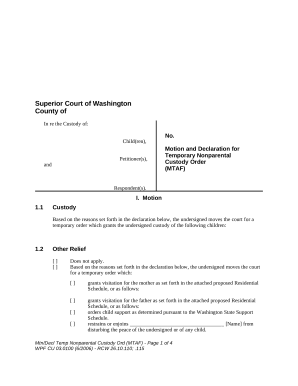
Form I-589 must be filed by petitioners seeking asylum. This form expired on December 31, 2016, however, it remains current until an updated version is
(NOTE: You must be residing in the United States to submit this form.) Application for Asylum and for. Withholding of Removal. Department of Homeland Security.Read more


