






Definition and Meaning
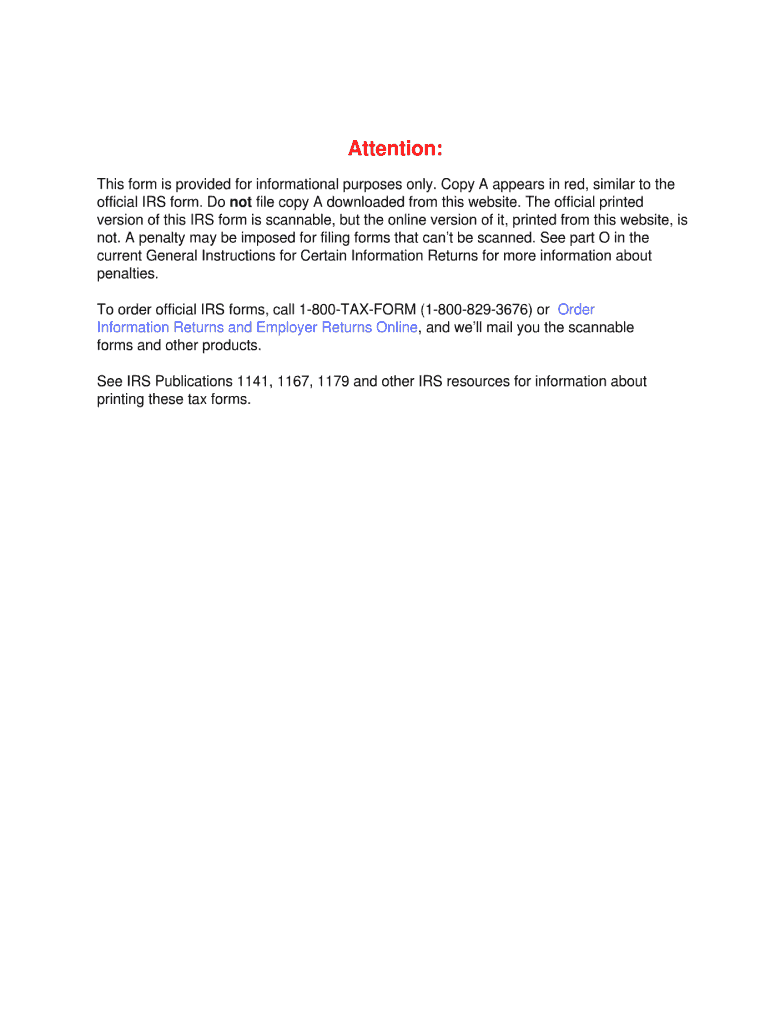
The 1099-R form is a critical document for reporting distributions from pensions, annuities, retirement plans, and insurance contracts. Specifically for the year 2012, this form encompassed essential information about these distributions, including reportable income types and potential tax liabilities. Also, the 1099-R form provides a structured format that ensures taxpayers and the IRS clearly understand the financial transactions reported.
How to Use the 1099-R Form 2012
Utilization of the 2-R form primarily focused on accurate reporting of received distributions from retirement plans. Taxpayers needed to use the information on this form to complete their annual tax returns, ensuring proper inclusion of any taxable amounts. It's also an essential tool for identifying the type of distribution, which helps determine the applicable taxes and potential need for further forms, like Form 5329 for additional taxes on early distributions.
Common Reporting Sections
- Pension and Annuity Distributions: Report taxable and nontaxable portions.
- IRA Distributions: Indicate rollover amounts or conversions to Roth IRAs.
- Insurance Contracts: Record any withdrawals or dividend payments.
How to Obtain the 1099-R Form 2012
The 1099-R form for 2012 is typically distributed by entities or employers that manage retirement plans. Taxpayers could expect to receive this form in the mail or digitally from their plan administrators or financial institutions by January 31, following the tax year.
Retrieval Options
- Direct Mail: Mailed by plan administrators or financial institutions.
- Online Access: Available for download through the financial institutions' online portals.
- Request Copies: If not received, request directly from the issuer.
Steps to Complete the 1099-R Form 2012
- Verify Personal Information: Ensure that all personal details, such as name and taxpayer identification number, are accurate.
- Check Distribution Codes: Understand the specific distribution codes used, as these determine the nature of the withdrawal and any applicable penalties.
- Record Taxable Amounts: Clearly distinguish between taxable and nontaxable amounts listed.
- File with Tax Return: Attach necessary parts of the 1099-R to your tax return if required.
Who Typically Uses the 1099-R Form 2012
The primary users of the 2-R form include individuals who have received any payments during the year from pensions, annuities, retirement, or profit-sharing plans. Additionally, beneficiaries of deceased account holders may also need to file this form if they receive any distributions.


Specific User Groups
- Retirees: Reporting pension or IRA distributions.
- Beneficiaries: Handling inherited retirement accounts.
- Self-employed individuals: Reporting retirement plan withdrawals.
Important Terms Related to 1099-R Form 2012
Familiarity with the terminology related to the 2-R form is critical for proper comprehension and accurate filing.
Key Terms
- Gross Distribution: Total amount distributed before any deductions.
- Taxable Amount: Portion of the distribution subject to taxation.
- Distribution Code: Numeric code indicating the type of distribution.
- Payer: The entity issuing the payment.
IRS Guidelines
The IRS established guidelines that taxpayers needed to follow when filing the 2-R form. These guidelines ensure compliance and accuracy in reporting retirement distributions.
Core Guidelines
- Timely Receipt: Form must be received by January 31.
- Federal Filing: Include distribution details in federal tax returns.
- State Filing Variations: Be aware of any state-specific requirements.
Filing Deadlines and Important Dates
The completion and submission of the 1099-R form for 2012 were bound by specific deadlines to align with the IRS regulations.
Key Deadlines
- Recipient Copy Deadline: January 31, 2013.
- IRS Submission Deadline: Submit Copy A to the IRS by February 28 if filing by paper, or April 1 if filing electronically.
Understanding these dates ensures that taxpayers remain compliant and avoid any potential penalties for late filings.