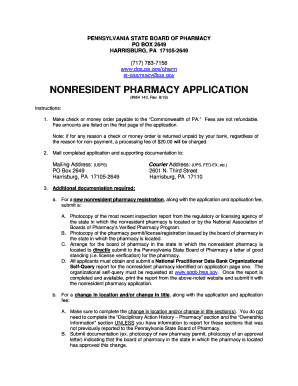
Definition & Meaning
The 2-R form is an official document used by the Internal Revenue Service (IRS) to report distributions from pensions, annuities, retirement plans, IRAs, and some insurance contracts. This form is crucial for taxpayers who have received any distributions that require reporting for federal tax purposes. The information detailed in this form helps determine the taxable amount of distributions received by the taxpayer, which is essential for accurate tax filing.
How to Use the 2-R Form
The 2-R form is used by both individuals and financial institutions. Individuals need this form to report income from retirement distributions on their tax returns. Financial institutions and other entities that handle these types of distributions also use it to report the amounts distributed to the IRS. When using this form, it is important to ensure that all details match the taxpayer's records and other documentation to avoid discrepancies during tax filing.
Detailed Steps:
- Review Information: Check personal information such as your social security number and address.
- Understand Distribution Codes: Familiarize yourself with distribution codes that define the type of payment received.
- Confirm Tax Amounts: Verify the gross distribution, taxable amount, and any withheld taxes.
- Using the Form: Input the necessary information into your tax return, often on lines that specify retirement or pension income.
Steps to Complete the 2-R Form
Filling out the 2-R form requires careful attention to detail. Taxpayers must accurately report all pertinent information to ensure compliance with IRS regulations.
Procedure:
- Gross Distribution: Enter the total amount distributed from retirement accounts.
- Taxable Amount: Identify what portion of the distribution is taxable, if applicable.
- Distribution Codes: Use the codes that correspond to your distribution type as indicated by the IRS guidelines.
- Federal Tax Withheld: Input any tax that was withheld at the time of distribution.
Advanced tax software or the assistance of a tax professional can provide additional guidance to accurately complete the form.
Filing Deadlines / Important Dates
Timeliness is key when it comes to filing tax documents, and the 2-R form is no exception.
- Recipient Deadline: The form must be provided to recipients by January 31 of the year following the tax year to which it relates.
- Filing with IRS: The completed form should be sent to the IRS by February 28 if filing by mail or March 31 if filing electronically.
Adhering to these deadlines helps avoid penalties and ensures proper documentation processing by the IRS.
Who Typically Uses the 2-R Form
The 2-R form is primarily used by individuals who receive distributions from retirement plans, insurance contracts, annuities, and pension plans. Financial institutions responsible for dispersing these payments are also responsible for issuing the form to recipients and the IRS.


Common Issuers:
- Banks and financial institutions
- Insurance companies
- Employers maintaining pension plans
IRS Guidelines for the 2-R Form
The IRS provides specific guidelines that outline how the 1099-R form should be completed and submitted.
- Accuracy: Ensure all entries are correct to avoid processing issues.
- Electronic Filing: Entities filing more than 250 forms are required to file electronically unless granted a waiver.
- Amendments: If deficiencies are identified after submission, file a corrected form 1099-R to amend the mistake.
Understanding and following these guidelines can prevent issues with tax processing and compliance.
Penalties for Non-Compliance
Failing to file the 2-R form or providing incorrect information may result in penalties imposed by the IRS. Penalties can vary based on the severity and correction timing of the omissions or inaccuracies.
- Late Filing Penalties: If the form is late, fines may increase the longer the delay.
- Incorrect Information: Supplying incorrect information, such as erroneous monetary amounts or identification details, can also result in penalties.
Timely and accurate filing is essential to avoid these penalties.
Digital vs. Paper Version
The 2-R form can be filed in both digital and paper formats. Each method has distinct benefits and considerations.
Digital Filing:
- Faster Processing: Electronic submissions are processed quicker by the IRS.
- Environmentally Friendly: It reduces paper use and storage needs.
- Immediate Confirmation: Receive instant verification upon submission.
Paper Filing:
- Traditional Process: Suitable for those who prefer physical documentation.
- Potential Delays: There can be longer processing times compared to digital submissions.
Taxpayers and financial institutions often choose based on convenience and capability.