






Definition & Meaning of IRS Form 990-EZ
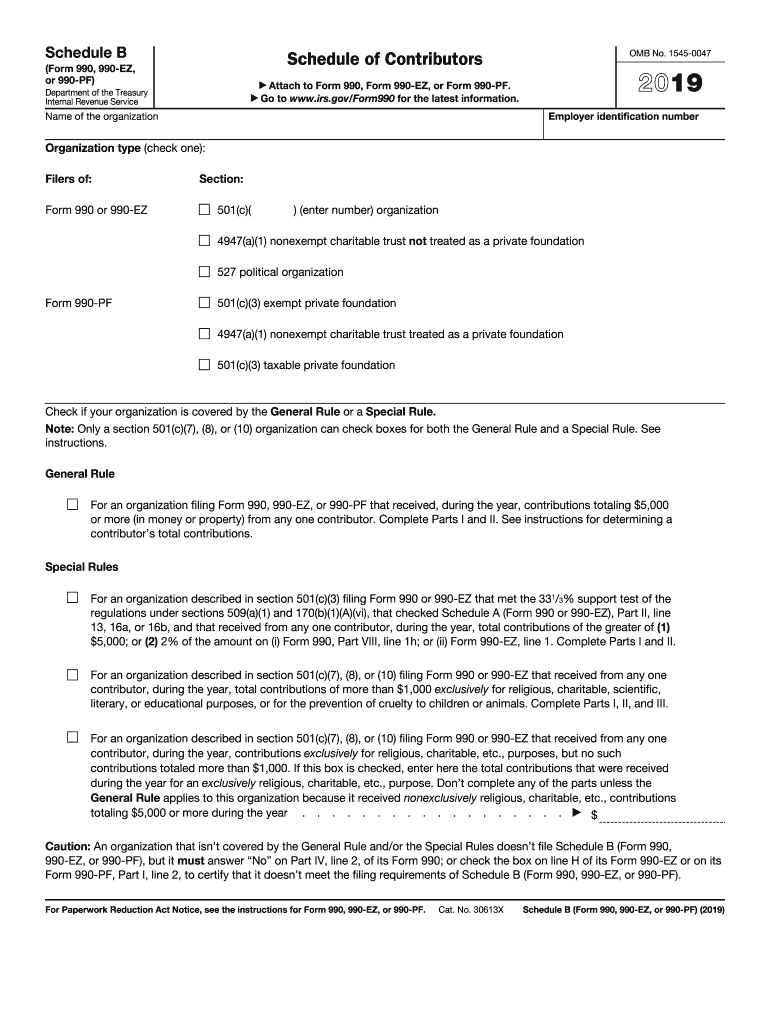
IRS Form 990-EZ is a short form used by tax-exempt organizations to provide annual financial information. This version is simpler than the full Form 990 but requires a comprehensive reporting of finances, fundraising activities, and the organization’s mission. It allows eligible entities to describe how they use their funds and ensures compliance with federal tax regulations.
- Purpose: It helps the IRS and the public understand how organizations conduct their finances and operations.
- Eligibility: Generally for organizations with gross receipts less than $200,000 and total assets less than $500,000 at the end of the year.
- Function: Serves educational, transparency, and accountability purposes for nonprofit organizations.
Steps to Complete IRS Form 990-EZ
Filling out IRS Form 990-EZ requires careful attention to detail to ensure accuracy and compliance. Here’s a step-by-step guide:
-
Prepare Necessary Information:
- Gather detailed financial records, including income, expenses, and asset data.
- Collect information on the organization’s mission and any changes in operations.
-
Fill Out Section A (Identification):
- Input the organization's name, address, and Employee Identification Number (EIN).
- Indicate the tax year and type of organization.
-
Complete Section B (Financial Overview):
- Provide data on revenues, including program service revenue and other income.
- Ensure accurate totals for expenses such as salaries, rent, and utilities.
-
Detail Fundraising Activities:
- Include specifics on events, campaigns, and donation methodologies.
- Itemize costs incurred from fundraising activities to illustrate efficiency.
-
List Officers and Key Employees:
- Provide names, titles, and average weekly hours worked for each person.
- Note their compensation to reflect the organization's internal management.
-
Review and Attach Schedules:
- Ensure necessary schedules are completed, such as Schedule A for public charity status.
- Append supporting documents to clarify financial or operational anomalies.
-
Check and File:
- Double-check all sections for accuracy and completeness.
- File on time using appropriate submission methods (paper or electronic filing).
Important Terms Related to IRS Form 990-EZ
Understanding the terminology used in IRS Form 990-EZ is crucial for correctly completing it. Here are some key terms:
- Gross Receipts: Total amount the organization receives from all sources before deductions.
- Public Charity Status: Classification affecting the organization’s tax obligations and Form 990 submission.
- Net Assets: Remaining assets after liabilities are deducted, indicating financial health.
- Disclosures: Mandatory reporting sections to provide transparency about organizational activities.
These terms help clarify official guidelines and enable precise reporting.
Filing Deadlines and Important Dates for IRS Form 990-EZ
Adhering to deadlines for Form 990-EZ submission is essential to avoid penalties. Critical dates include:
-
Annual Filing Due Date:
- Generally, the 15th day of the 5th month following the end of the organization’s fiscal year.
- For instance, if the fiscal year ends on December 31, the filing deadline is May 15.
-
Extension Requests:
- Form 8868 can be filed to request an automatic three-month extension.
- Further three-month extensions require explicit approval, with a valid reason.
-
Important Considerations:
- Late filing may result in daily penalties, emphasizing timely submission.
- Monitor IRS announcements for any changes to typical deadlines.
Digital vs. Paper Version of IRS Form 990-EZ
Organizations have options for submitting IRS Form 990-EZ, each with its advantages. Here’s an analysis:
-
Digital Filing:
- Convenient and efficient, reducing receipt times and ensuring immediate acknowledgement.
- Software support ensures forms are filled out correctly, reducing errors.
-
Paper Submission:
- Offers a traditional route that some organizations prefer for record-keeping.
- May involve additional processing time, with risks of late delivery.
-
Tips for Choosing:
- Evaluate the organization’s internal capabilities and resources.
- Consider software compatibility and workflow efficiency for digital submissions.
Penalties for Non-Compliance with IRS Form 990-EZ
Failing to comply with filing requirements for Form 990-EZ can lead to severe repercussions:
-
Financial Penalties:
- Daily charges accrue for late submissions, escalating with increased delay.
- Significant oversights can lead to more substantial fines and interest.
-
Reputation Risks:
- Non-compliance may raise questions about organizational integrity and management.
- Consistent failures can affect future donor and public trust.
-
Avoidance Strategies:
- Implement robust internal controls for timely financial reporting.
- Engage knowledgeable accountants or software solutions to ensure accuracy and timeliness.
IRS Guidelines Specific to Form 990-EZ
IRS guidelines provide comprehensive instructions for filling out Form 990-EZ precisely. Key areas include:
-
Eligibility Criteria:
- Organizations must meet revenue and asset thresholds to use the shorter form.
-
Content Requirements:
- Specific financial disclosures and narratives are necessary for each section.
- Guidelines for certain attachments to ensure transparency and compliance.
-
Completeness Checks:
- Review all filing components, such as required schedules and supplemental information.
- Use IRS resources or consult professionals for detailed compliance understanding.
Examples of Organizations Using IRS Form 990-EZ
Types of organizations typically using Form 990-EZ include:
-
Small Nonprofits:
- Arts and cultural organizations with limited assets and revenues.
- Environmental advocacy groups prioritizing direct programming over fundraising.
-
Local Charities:
- Community support initiatives with low financial thresholds.
- Special interest societies offering educational or social support services.
-
Use Case Variations:
- Dynamic organizations transitioning from grassroots to scalable operations.
- Established entities simplifying their reporting due to reduced growth phases.
By analyzing these examples, organizations can better understand their eligibility and reporting obligations for using Form 990-EZ.