



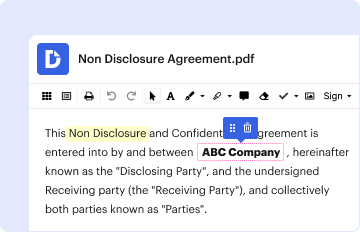
01. Edit your form 990 schedule b public disclosure online
Type text, add images, blackout confidential details, add comments, highlights and more.

Type text, add images, blackout confidential details, add comments, highlights and more.
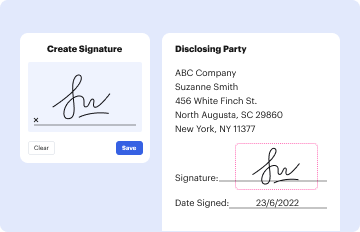
Draw your signature, type it, upload its image, or use your mobile device as a signature pad.

Send 2023 form schedule b via email, link, or fax. You can also download it, export it or print it out.
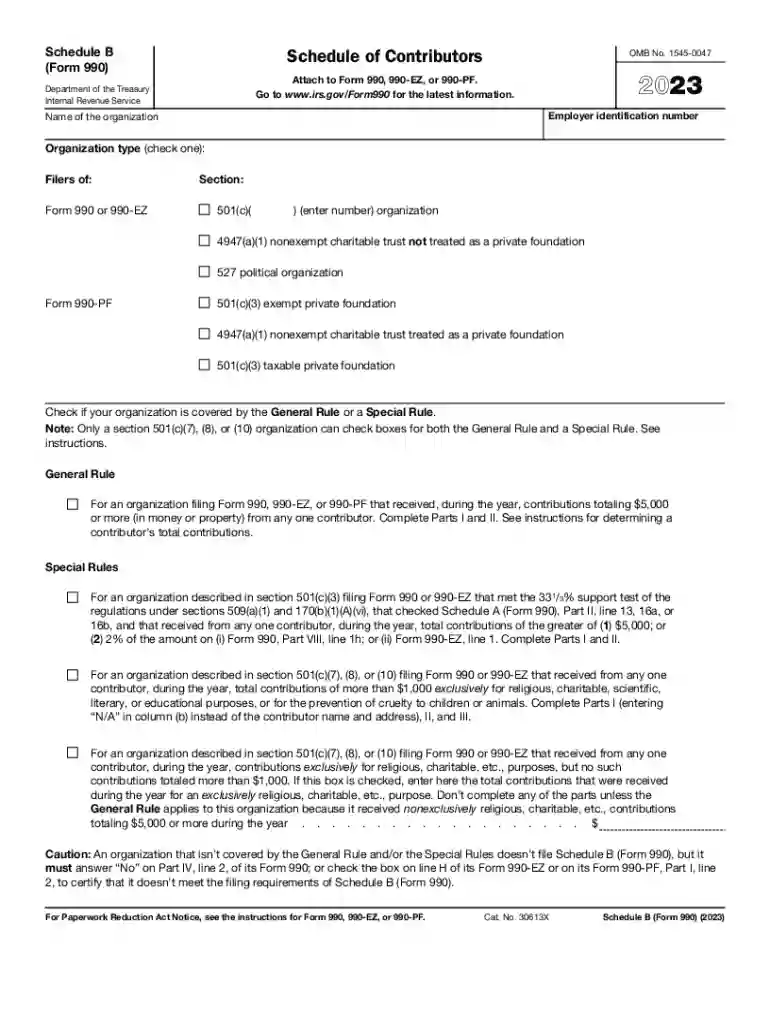
Schedule B (Form 990) is an attachment required by the IRS for certain tax-exempt organizations to document detailed information about contributors. This form is crucial as it helps ensure transparency and accountability in reporting contributions received during the fiscal year. Organizations must report contributors who exceed specific contribution thresholds, and this varies depending on the organization type and the amount received. The information provided includes donors’ names, addresses, and the donated amount, which helps both the IRS and the public understand the financial sources of the organization.
This form is mainly used by tax-exempt organizations, such as non-profits and charities, to report significant contributions. These entities are required to file the Schedule B if they meet the IRS's criteria for reportable contributions. Typically, these organizations are categorized under section 501(c) of the Internal Revenue Code. Understanding who is required to file the Schedule B ensures compliance with IRS regulations and avoids any potential penalties for non-disclosure.


Key elements of Schedule B include sections for contributor information, details of noncash contributions, and additional information about gifts for religious or charitable purposes. These sections ensure that the form provides a comprehensive overview of all significant contributions received during the reporting period. The page structure requires information such as:
The IRS guidelines specify that organizations must disclose substantial donations only and maintain confidential treatment of donor information unless public disclosure is required by law. The thresholds for disclosing contributions vary; typically, reporting is necessary if a donor’s total contributions exceed $5,000 or 2% of the organization’s total contributions. It is essential for organizations to stay updated with these guidelines to ensure proper compliance.
Failing to properly file a Schedule B can result in significant penalties. Organizations that neglect to submit this form or provide incorrect information may face fines imposed by the IRS. Additionally, non-compliance can jeopardize an organization’s tax-exempt status, leading to further financial and reputational damage. Therefore, meticulous attention to detail when completing the Schedule B is crucial.
The filing deadline for Schedule B typically aligns with the deadline for Form 990. Organizations must submit both forms by the 15th day of the fifth month after the end of their fiscal year. For example, organizations operating on a calendar fiscal year are required to file by May 15. Extensions may be available; however, organizations should ensure timely submission to avoid penalties.
Organizations have several options for submitting Schedule B. Forms can be filed online, mailed, or delivered in person using authorized delivery services. Electronic filing is often the most efficient method, reducing the risk of errors and improving processing speed. Mailed submissions should be tracked to confirm receipt by the IRS, ensuring compliance with filing deadlines.
We've got more versions of the form 990 schedule b public disclosure form. Select the right form 990 schedule b public disclosure version from the list and start editing it straight away!
| Versions | Form popularity | Fillable & printable |
|---|---|---|
| 2024 | 4.5 Satisfied (23 Votes) | |
| 2023 | 4.7 Satisfied (51 Votes) | |
| 2022 | 4.7 Satisfied (34 Votes) | |
| 2021 | 4.8 Satisfied (140 Votes) | |
| 2020 | 4.3 Satisfied (48 Votes) | |
| 2019 | 4.4 Satisfied (102 Votes) | |
| 2018 | 4.1 Satisfied (85 Votes) | |
| 2017 | 4.2 Satisfied (58 Votes) | |
| 2016 | 4.3 Satisfied (186 Votes) | |
| 2015 | 4 Satisfied (43 Votes) | |
| 2014 | 4.4 Satisfied (53 Votes) | |
| 2013 | 4 Satisfied (49 Votes) | |
| 2012 | 4.2 Satisfied (39 Votes) | |
| 2011 | 4 Satisfied (36 Votes) |
At DocHub, your data security is our priority. We follow HIPAA, SOC2, GDPR, and other standards, so you can work on your documents with confidence.
Schedule B (Form 990) are contributions, grants, bequests, devises, and gifts of money or property, whether or not for charitable purposes.
May 2, 2025 Schedule B (Form 990). Revenue, Expenses, and Changes in Net Assets or Fund Balances. Contributions, gifts, grants, and similar amounts


