




Definition & Meaning
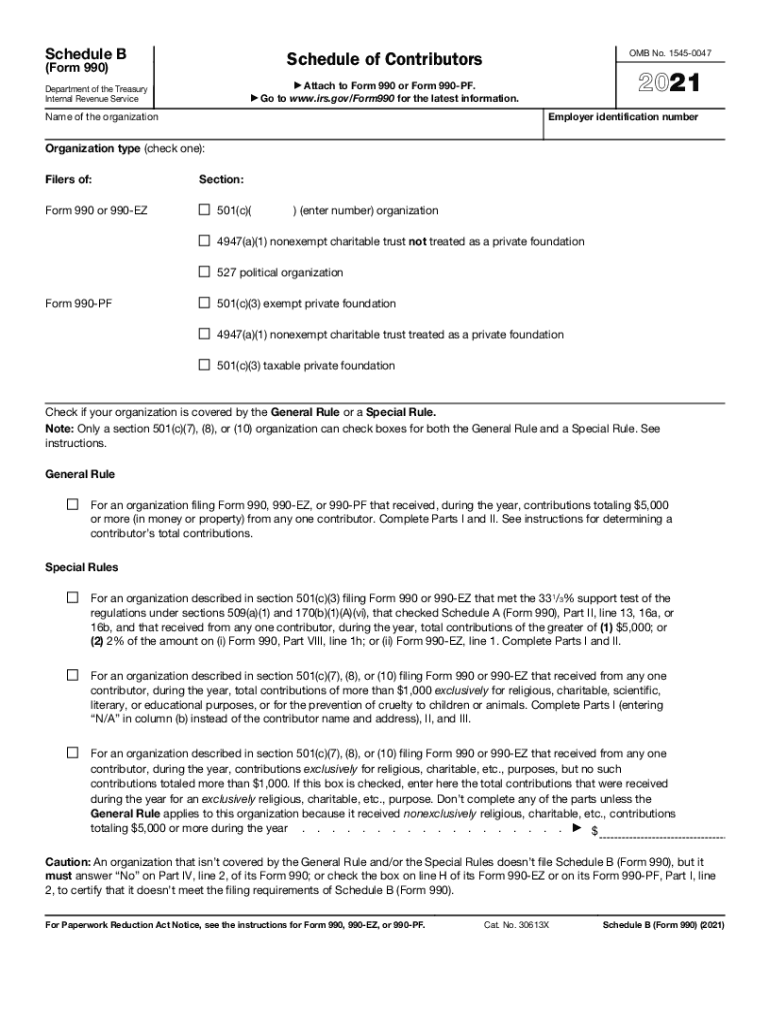
Form 990-EZ is a tax document used by smaller tax-exempt organizations and non-profits to provide the IRS with financial information. It's an essential tool for maintaining transparency and compliance with tax regulations. Organizations use this form to report revenue, expenses, and changes in net assets. Unlike the full Form 990, which is more comprehensive, Form 990-EZ is shorter and less detailed, making it suitable for smaller entities with less complex financial activities. Understanding this form's purpose helps non-profits remain compliant with federal tax requirements.
Form 990-EZ vs. Form 990
- Form 990: Used by larger tax-exempt organizations with more significant financial activities.
- Form 990-EZ: Simplified version for smaller organizations with gross receipts under $200,000 and total assets under $500,000.
Key Information Required
- Financial data: income, expenses, and net changes.
- Board member information: names and compensation (if any).
- Specific revenue details, such as program service revenue or donations.
How to Use the Form 990-EZ
Completing the Form 990-EZ involves several steps, requiring detailed financial data from the organization. Here's a structured approach to using the form effectively:
Step-by-Step Guide to Completing the Form
-
Gather Financial Records: Collect all necessary financial documents, including income statements, balance sheets, and records of donations and grants.
-
Complete Identifying Information: Fill in the organization's name, address, and EIN (Employer Identification Number) on the form's front page.
-
Revenue and Expenses Reporting: Accurately report all sources of income and expenditure, classified into specific categories as per IRS guidelines.
-
List of Board Members: Provide details of current board members, including their names and any compensation they receive.
-
Supplemental Information: You may need to attach extra schedules or explanations if the form's space is insufficient for detailed entries.
Common Challenges
- Ensuring accuracy in financial record-keeping to avoid discrepancies.
- Understanding IRS guidelines for reporting different types of revenue.
Steps to Complete the Form 990-EZ
Successfully completing Form 990-EZ requires a systematic approach to ensure all necessary information is accurately reported.
Detailed Completion Instructions
-
Review Filing Instructions: Begin with a thorough review of IRS instructions for Form 990-EZ to understand each section's requirements.
-
Part by Part Completion:
- Part I: Revenue, Expenses, and Changes in Net Assets. This section is crucial for reporting financial performance.
- Part II: Balance Sheets. Requires details of the end-of-year financial position.
- Part III: Statement of Program Service Accomplishments. Provide detailed outcomes of major programs.
- Part IV: List of Officers, Directors, Trustees, and Key Employees.
-
Double-Check for Accuracy: Review all entries for correctness, ensuring calculations and classifications adhere to IRS guidelines.
Filing Tips
- Use software compatible with Form 990-EZ to streamline data entry and reduce errors.
- Consider consulting a tax professional if unfamiliar with tax forms.
Filing Deadlines / Important Dates
Timely submission of Form 990-EZ is crucial to avoid penalties. Knowing the key dates and deadlines helps maintain compliance.
Critical Dates
- Annual Filing Deadline: The Form 990-EZ is generally due by the 15th day of the 5th month after the organization's accounting period ends. For a calendar year filer, the due date is May 15.
- Extension Options: Organizations can file Form 8868 to request an automatic six-month extension.
Consequences of Missing Deadlines
- Late filing can lead to daily penalties, capped at a maximum amount depending on gross receipts.
- Repeated failure to file may result in the revocation of tax-exempt status.
Required Documents
Proper preparation involves collecting various documents necessary for accurately completing Form 990-EZ.
Essential Documentation
- Financial Statements: Include income statements and balance sheets.
- Donation Records: Documentation of all received donations, including donor information when applicable.
- Compensation Details: Records of any compensation given to board members or key executives.
Maintaining Organizational Records
- Keep thorough and organized financial records throughout the year to simplify the form completion process.
- Update records regularly to include recent financial activities and regulatory changes.
Who Typically Uses the Form 990-EZ
Form 990-EZ is designed for specific types of tax-exempt organizations.

Eligibility Criteria
- Small Non-Profits: Organizations with gross receipts under $200,000 and total assets under $500,000.
- Community Groups: Local clubs, small charities, or grassroots organizations often fall into this category.

Examples
- A local youth sports league with non-profit status.
- Small charitable organizations engaged in community service activities.
Important Terms Related to Form 990-EZ
Understanding specific terms associated with Form 990-EZ is vital for effective completion.
Key Definitions
- Gross Receipts: Total income received from all sources before subtracting any expenses or deductions.
- Net Assets: The total assets minus total liabilities, reflecting the organization’s financial health.
- Program Service Revenue: Money earned from activities directly related to the organization’s mission.
Clarifying Terminology
- Review IRS glossaries or consult professionals to gain a clear understanding of any unfamiliar terms.
- These definitions ensure accurate financial reporting and compliance with IRS guidelines.
IRS Guidelines
The IRS provides detailed instructions for Form 990-EZ, outlining how to complete the form and what the agency expects from filers.
Key Guidelines
- Accurate Reporting: All information should be truthful and reflect the organization’s financial activities accurately.
- Mandatory Schedules: Include any necessary schedules or attachments as dictated by the form instructions.
- Public Disclosure: Certain forms of the 990 series must be made available to the public, reinforcing transparency.
Resources and Support
- The IRS website offers extensive resources, clarifying instructions and accompanying schedules for Form 990-EZ.
- Utilizing professional tax services can further ensure compliance and accuracy.