




Definition & Meaning
The "Pregnancy at WorkFree Risk Assessment Template" is a structured document designed to help employers systematically evaluate and document the risks present in a workplace that could potentially affect pregnant employees, post-natal employees, and breastfeeding mothers. This template is particularly critical for ensuring compliance with the Protection of Pregnant, Post Natal and Breastfeeding Employees Regulations 2007, which mandates that employers assess and mitigate risks related to occupational health and safety for these groups. By using this template, employers can methodically identify and address hazards, ensuring a safe working environment.
Key Elements of the Pregnancy at WorkFree Risk Assessment Template
The template typically comprises multiple sections, each crafted to capture essential details regarding workplace conditions:
- Employee Information: Includes personal and job-related data of the pregnant employee to tailor the risk assessment to their specific situation.
- Risk Assessment Criteria: Focuses on identifying potential hazards. Covers physical, biological, and chemical risks, such as exposure to harmful substances or activities that could impact the health of pregnant employees.
- Recommendations for Action: Offers expert guidance on mitigating identified risks, which could involve changes in the work environment, adjustments to work schedules, or provision of personal protective equipment (PPE).
These sections ensure comprehensive assessment, documentation, and management of workplace risks impacting pregnant and post-natal employees.
How to Use the Pregnancy at WorkFree Risk Assessment Template
Using the Pregnancy at WorkFree Risk Assessment Template involves several critical steps:
- Initial Evaluation: Begin by collecting necessary employee details and understanding the nature of their job role.
- Assessment of Risks: Carefully identify each potential hazard, considering all aspects of their work environment.
- Documentation: Use the template to document each risk in detail alongside potential impact ratings and recommended mitigative actions.
- Implementation: Share findings with relevant departments within your organization and implement recommended changes promptly.
- Ongoing Review: Ensure the assessment is revisited regularly and updated as necessary, particularly if there are changes in the workplace environment or if new risks are identified.
Steps to Complete the Pregnancy at WorkFree Risk Assessment Template
Successfully completing the template involves following a logical sequence:
- Gather Information: Collect pertinent details about the employee and their work environment.
- Identify Hazards: Use the template to systematically identify different types of risks, such as ergonomic, physical, or chemical hazards.
- Evaluate Risks: Assess each identified risk, considering factors such as likelihood and potential impact.
- Record and Plan: Document findings thoroughly, and plan appropriate risk mitigation measures.
- Review with Employee: Discuss the assessment with the employee to get their input and ensure mutual understanding.
- Monitor and Update: Regularly reassess the work environment and update the template as needed to reflect any new risks or changes in circumstances.
Why Use the Pregnancy at WorkFree Risk Assessment Template
Employers benefit from using the Pregnancy at WorkFree Risk Assessment Template due to several key reasons:
- Compliance: Ensures adherence to regulations, reducing the likelihood of legal repercussions.
- Safety: Enhances workplace safety for pregnant, post-natal, and breastfeeding employees by proactively addressing risks.
- Efficiency: Streamlines the risk assessment process by providing a consistent framework for evaluating and documenting workplace hazards.
- Employee Well-being: Promotes health and well-being, potentially reducing absenteeism and improving employee job satisfaction.
Legal Use of the Pregnancy at WorkFree Risk Assessment Template
Legal frameworks governing workplace safety include specific provisions related to pregnant employees, thus necessitating the use of this template to ensure compliance:
- Regulatory Compliance: The legal mandate for employers to conduct risk assessments for pregnant workers is clear. Non-compliance can result in penalties or legal action.
- Documentation: Proper use and maintenance of the template serve as critical evidence in audits or legal proceedings, demonstrating compliance and due diligence.
- Liability Management: It safeguards employers by formally documenting risk management measures, which can be crucial in reducing liability in case of workplace incidents.
Examples of Using the Pregnancy at WorkFree Risk Assessment Template
Consider how the template is applied across different industries:
-
Retail: Assessments might focus on risks from prolonged standing or heavy lifting.
-
Healthcare: Risks could include exposure to biological hazards like infectious agents.
-
Manufacturing: Emphasis might be on chemical exposure and ergonomic risks from repetitive tasks.
-
In each scenario, the template guides employers in identifying specific risks pertinent to the industry and job role, ensuring that effective preventive measures are implemented.
Software Compatibility & Integration
The Pregnancy at WorkFree Risk Assessment Template can be efficiently managed using digital platforms:
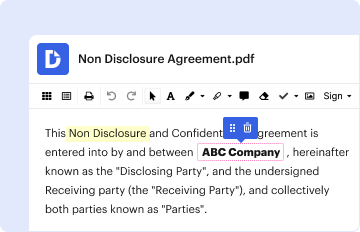
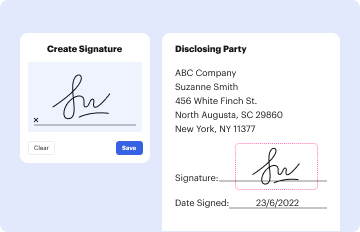
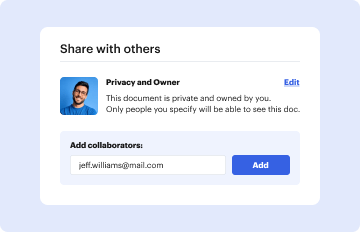
- DocHub Integration: DocHub allows for seamless editing and collaboration on the risk assessment template directly online, facilitating a smooth workflow.
- Compatibility with Cloud Services: Easily import and export templates to and from cloud services like Google Drive, ensuring accessibility and real-time updates.
- Security Protocols: Ensure sensitive employee data within the assessment is secured with DocHub's robust encryption standards, maintaining confidentiality.
Overall, utilizing digital tools enhances the efficiency and effectiveness of risk assessments for workplaces with pregnant employees.