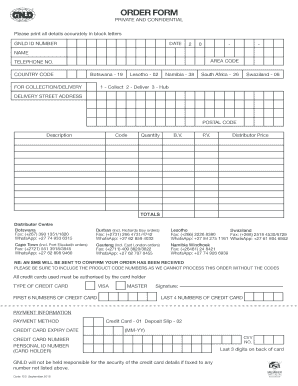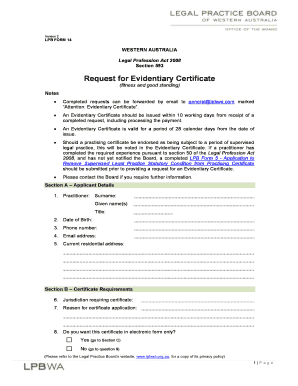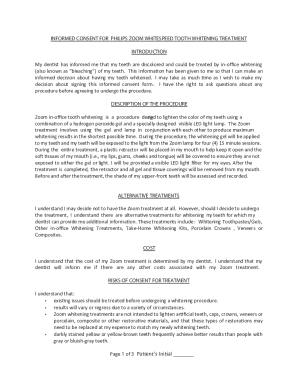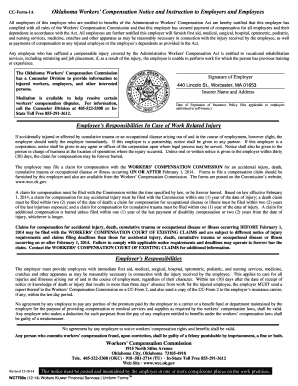






Definition & Meaning
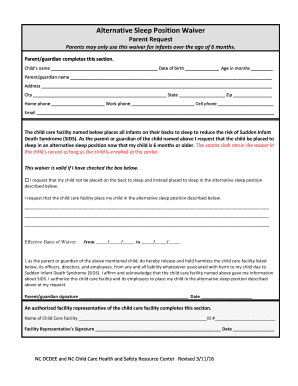
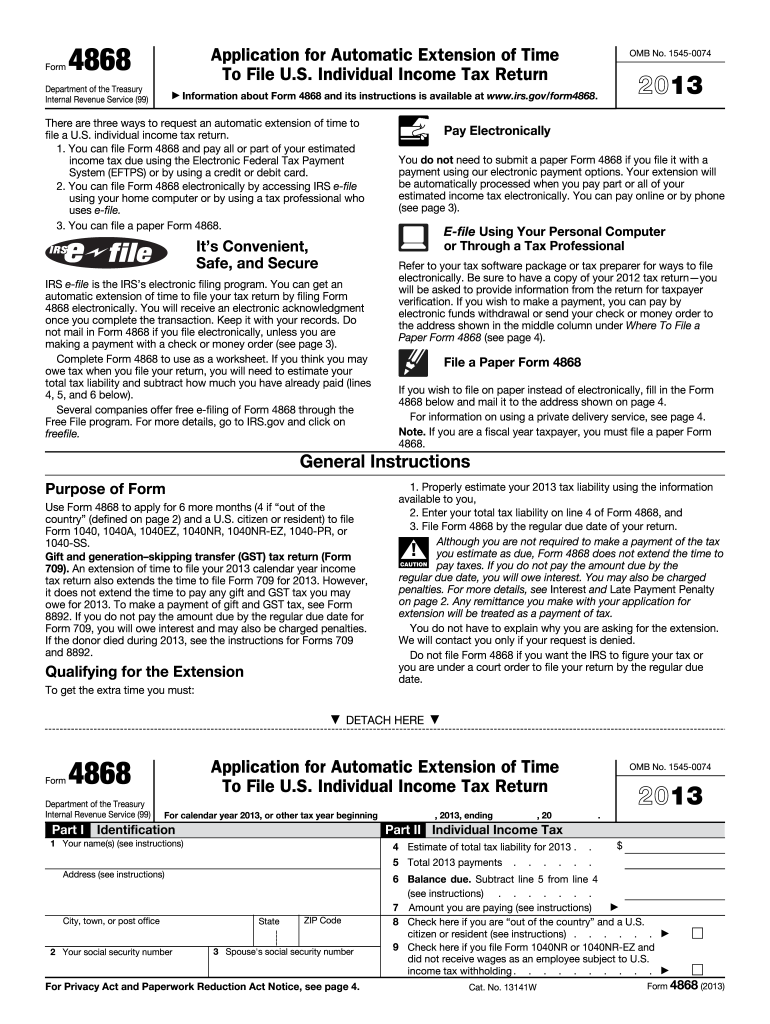
The "form 2013 file" typically refers to official forms associated with tax filing or documentation requirements relevant to certain fiscal years. It is crucial to understand the specific context and application of this form. A form designated with "2013" may relate to tax filings, legal declarations, or organizational records for that fiscal year. Understanding the precise use of the form is essential for compliance and proper filing. For instance, if related to tax filings, it may cover income declarations or financial disclosures required by the IRS.
How to Use the Form 2013 File
Using the "form 2013 file" involves understanding its purpose and following specific instructions for completion and submission. It is essential to gather necessary information, such as financial records or personal details, that are required for the form. Carefully review instructions that accompany the form to ensure accurate and complete entry of data. Key components might include income details, deductions, credits, or other financial disclosures. Assistance from tax professionals or legal advisors might be recommended for clarity and accuracy.
How to Obtain the Form 2013 File
Obtaining the "form 2013 file" typically involves accessing it through official channels. This can include downloading from government websites, requesting a physical copy from relevant authorities, or accessing it through professional services like tax software platforms. Ensure you are retrieving the correct version as outdated forms might be non-compliant with current regulations. Verify the source of your form to prevent using fraudulent or obsolete versions, which might affect the validity of your submission.
Steps to Complete the Form 2013 File
Completing the "form 2013 file" involves several steps that must be performed with precision and attention to detail:
-
Gather Required Information: Compile all necessary documents and data. This could include financial records, personal identification, and any other relevant materials.
-
Review Instructions: Thoroughly read the instructions provided with the form. These instructions will offer guidance on correctly filling each section.
-
Fill Out the Form: Carefully enter all required information, ensuring accuracy. Double-check entries for comprehensiveness and correctness.
-
Attach Required Documentation: Include copies of any required supporting documents, such as W-2s, 1099s, or legal notices.
-
Verify and Submit: Review the entire form for accuracy. Ensure all fields are correctly filled and submit the form through authorized channels, whether electronically or by mail.
Key Elements of the Form 2013 File
Identifying the key elements of the "form 2013 file" facilitates adequate preparation and submission:
- Personal Information: Name, address, Social Security Number, or any unique identifiers.
- Financial Details: Gross income, deductions, and credits if applicable.
- Supplementary Schedules: Additional forms that may be needed based on the applicant's circumstances.
- Signature and Date: A completed form requires a valid signature and date to authenticate the information provided.
Legal Use of the Form 2013 File
The legal use of the "form 2013 file" involves following the provisions set forth by relevant regulatory bodies. Whether for tax purposes, business filings, or legal documentation, ensure the submission complies with current laws and guidelines. In the context of the IRS, ensure that the form aligns with the U.S. tax code, including any updates or clarifications published for the fiscal year 2013. Legal adherence prevents penalties and supports the validation of submitted data.
Penalties for Non-Compliance
Failure to comply with the requirements of the "form 2013 file" can result in various penalties:
- Fines: Monetary penalties may be assessed for late or incorrect filing.
- Interest: Accrued interest on unpaid taxes due to erroneous submission or filing delays.
- Legal Action: Possible legal consequences for fraudulent information or deliberate misrepresentation.
- Loss of Refunds or Credits: Forfeiting potential refunds or credits due to incorrect filing.
Filing Deadlines / Important Dates
Understanding specific deadlines associated with the "form 2013 file" is critical for on-time filing. Missing filing deadlines can lead to penalties and interest. Ensure to track:
- Submission Deadline: The official deadline for filing the form. Typically, this aligns with tax deadlines but can vary depending on form type.
- Extension Requests: If applicable, submit requests for extensions before the original deadline for additional filing time.
- Response Deadlines: Deadlines for responding to any requests for additional information or corrections related to the form submission.
Adhering to these guidelines helps maintain compliance and prevent negative consequences associated with late or improper submissions.