
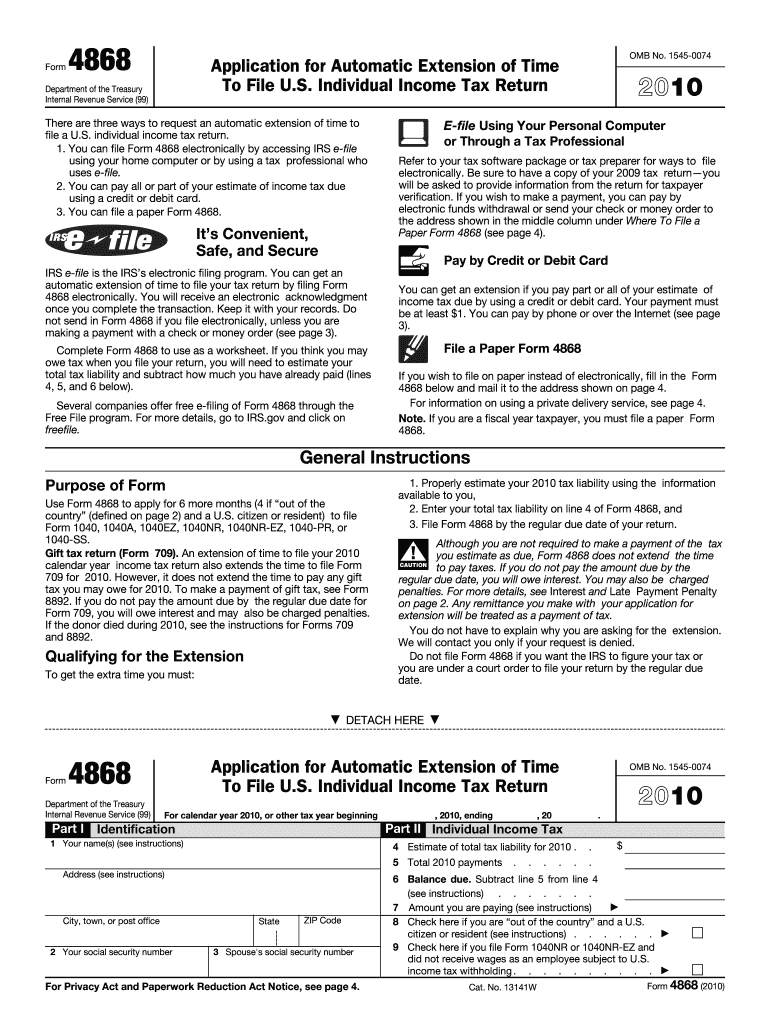







Definition & Meaning of Form 2010 Application
Form 2010 Application is a standardized document used by individuals or entities to apply for specific permissions, financial accommodations, or regulatory compliance. Though the exact purpose can vary, it often involves detailed information submission to a regulatory or governing body for review and processing. Entities must often complete this form accurately to comply with legal or financial regulations, making it a critical tool in proper documentation practices.
Key Functions and Typical Uses
- Application for Financial Aid: Often used by educational institutions or government bodies to process requests for financial assistance.
- Regulatory Compliance: Utilized by businesses to apply for permits or licenses necessary for operations.
- Legal Filings: In specific contexts, serves as documentation for legal proceedings or applications for court orders.
How to Obtain the Form 2010 Application
Acquiring Form 2010 Application can vary depending on the institution requiring the form. Here are general methods of obtaining the form:
Common Methods
- Online Access: Many organizations provide downloadable versions of the form on their official websites.
- Physical Copies: Available at relevant offices such as municipal buildings or branches of the issuing organization.
- Mail Request: Some institutions allow individuals to request the form via mail order.
Institutional Sources
- Government Agencies: Government bodies usually have a dedicated section on their websites offering access to various forms.
- Academic Institutions: Universities and colleges may distribute it through their financial aid offices or online portals.
Steps to Complete the Form 2010 Application
Completing Form 2010 Application requires attention to detail to ensure accurate processing and avoid delays or denials.
General Steps
- Gather Required Information: Collect all needed personal, financial, and legal information beforehand.
- Read Instructions Carefully: Review any provided guidelines to comprehend specific filling requirements.
- Complete Each Section: Follow directions to fill out personal details, and any additional data sections.
- Review for Errors: Double-check for any mistakes or missing information that could lead to complications.
- Submit the Form: Choose the most suitable submission method—online, by mail, or in person.
Common Challenges
- Misunderstanding Instructions: Misinterpreting complicated instructions could lead to incomplete applications.
- Missing Documents: Ensure all required documentation accompanies your form to prevent rejection.
Important Terms Related to Form 2010 Application
Understanding significant terms associated with Form 2010 Application is key to accurate completion and submission.
Essential Terminology
- Applicant: The individual or entity applying through the form.
- Submission Deadline: The final date by which the form must be submitted to be considered valid.
- Supporting Documents: Additional paperwork required to substantiate the information provided in the form.
- Processing Time: The expected duration before an application receives a response or approval.
Legal Use of the Form 2010 Application
Using Form 2010 Application appropriately is vital for legal compliance.
Legal Application Contexts
- Compliance with Regulations: Businesses leverage the form to adhere to local and federal regulations.
- Court Applications: Used for submitting certain filings in legal processes to court systems.
Legal Implications
- Non-Compliance: Incorrect or late submission can result in penalties, fines, or denial of the application.
- Documentation Proof: Acts as evidence of compliance efforts or application intentions in legal scenarios.
Required Documents for Form 2010 Application
Providing necessary supporting documents is crucial to validate the information within Form 2010 Application.
Typical Document Requirements
- Identification Proof: Such as government-issued ID or a passport.
- Financial Statements: For applications related to financial assistance or benefits.
- Legal Proof: If the form serves a legal purpose, relevant legal documentation must be attached.
Documentation Tips
- Ensure Authenticity: Only provide certified copies of vital documents to ensure authenticity.
- Organize Documents: Keep them in an orderly fashion to prevent delays during the review process.
Filing Deadlines / Important Dates
Meeting deadlines for Form 2010 Application is essential to avoid any complications or late fee penalties.
Key Date Types
- Submission Deadline: The final date by which the form must be filed.
- Processing Duration: The timeframe during which the application will be reviewed.
- Response Date: Expected date for receiving feedback or decisions regarding the application.
Importance of Compliance
- Avoid Penalties: Failing to meet deadlines can result in fines or application rejection.
- Timely Processing: Adhering to deadlines ensures that applications are processed on time and efficiently.
Form Submission Methods (Online / Mail / In-Person)
Submissions for Form 2010 Application can be executed through several methods, each with specific benefits and potential drawbacks.
Submission Options
- Online Submissions: Fast and often allow for immediate confirmation. Require digital documents and e-signatures.
- Mail Submissions: Traditional route, may necessitate additional time for postal delivery and processing.
- In-Person Submissions: Direct submission can provide immediate feedback but may require visits to appropriate offices.
Best Practices
- Select Most Convenient Method: Consider proximity, ease of access, and required speed for submission.
- Confirmation of Receipt: Always obtain a confirmation or receipt for tracking purposes and record-keeping.




