







Key Elements of the Children's World Montessori Authorization Form
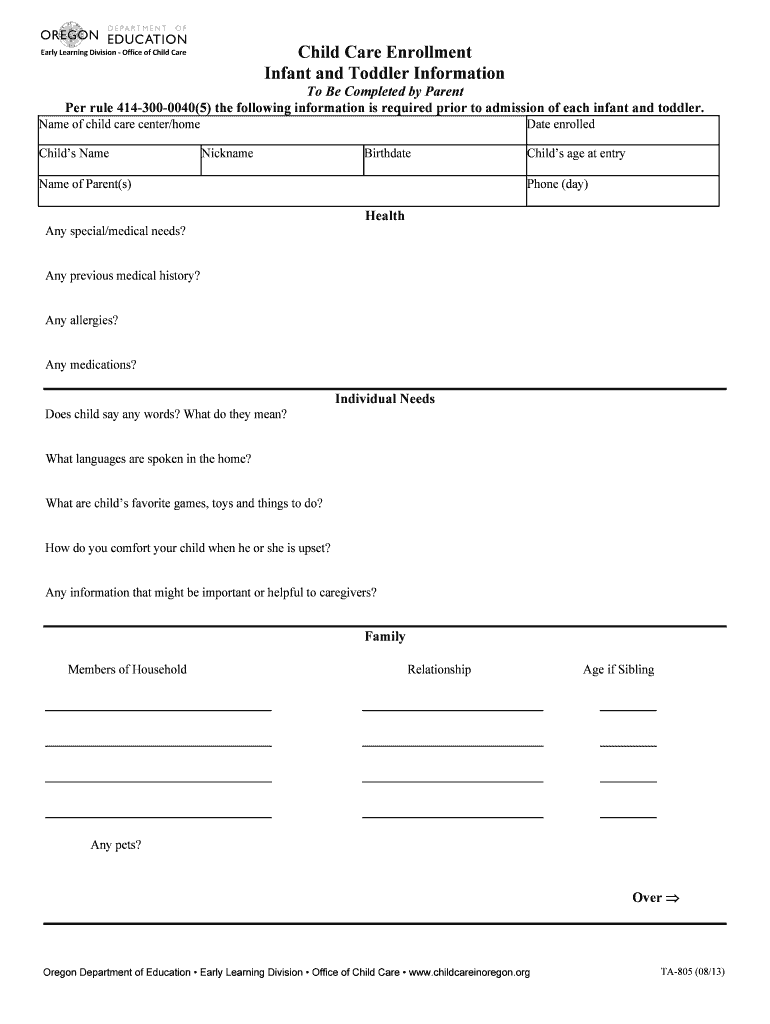
The Children's World Montessori Authorization Form serves as a comprehensive tool for collecting essential child-specific information in Montessori settings. Key elements of the form include:
- Child’s Personal Information: Includes the child’s full name, date of birth, age, and any identifying details necessary for enrollment.
- Parental/Guardian Information: Captures the names, contact numbers, and addresses of the primary caregivers responsible for the child.
- Emergency Contacts: Requires a list of individuals who can be contacted in case of an emergency, including their relationship to the child and phone numbers.
- Medical Information: Includes important health-related details, such as physician's name, insurance information, known allergies, and any chronic medical conditions.
- Parental Permissions: Allows parents to grant or deny permission for various activities, such as field trips, photos, and participation in specific projects.
- Daily Schedules: Documents the child’s daily routine preferences, including nap and meal times.
These elements ensure that the Montessori school can provide a safe and tailored educational experience for each child.
How to Use the Children's World Montessori Authorization Form
The form is designed to facilitate seamless information exchange between parents and Montessori schools. Follow these steps to effectively use the Children's World Montessori Authorization Form:
- Download or Obtain the Form: Acquire the form from the Montessori institution’s official website or by visiting their administrative office.
- Complete Basic Details: Begin with filling in personal information about the child and the parents or guardians.
- Provide Medical Data: Accurately fill in all medical and health-related sections to ensure the child's well-being during emergencies.
- Sign Permissions and Consents: Ensure you review and understand all permissions, marking choices and signing wherever required to validate consent.
- Submit the Form: Once completed, submit the form electronically via the school’s digital platform or deliver a physical copy to the school administration.
This procedure guarantees that all necessary data is available for caregivers and educators, enhancing the operational efficiency of the school.
Steps to Complete the Children's World Montessori Authorization Form
Completing the form accurately is crucial for the safety and proper care of the child. Here’s a step-by-step approach:
- Carefully Read Each Section: Familiarize yourself with the entire form to understand the information being requested.
- Fill in Child and Parent Details: Start by inputting all required details about the child and parents in the respective sections.
- Detail Medical Information: Include specifics about the child’s health, such as emergency contacts, medical conditions, and insurance information.
- Mark Permissions: Clearly indicate parental consent for activities and media permissions, ensuring all options align with family preferences.
- Review and Sign: Double-check all inputs for accuracy and completeness. Sign the document where required to affirm authenticity.
- Submit Both Copies: Ensure both a digital and printed version are submitted if required by the institution’s guidelines.
This step-by-step guide ensures that no critical information is missed, safeguarding the child’s interests.
Who Typically Uses the Children's World Montessori Authorization Form
This authorization form is utilized by various stakeholders within the Montessori education system:
- Parents and Guardians: Primary users who fill out the form to provide necessary information about their child.
- Montessori Administrators: Use the form to capture important data to facilitate a customized learning environment and ensure safety.
- Teachers and Educators: Reference the form to understand special requirements or permissions related to each child.
- Health and Wellness Coordinators: Utilize medical information from the form to address health needs or emergencies effectively.
By providing essential information to these groups, the form ensures a cohesive and informed approach to childcare within Montessori settings.


Legal Use of the Children's World Montessori Authorization Form
The form holds legal significance and is governed by specific usage rules to ensure compliance and protect both families and institutions:
- Privacy and Confidentiality: All information captured is treated as confidential in compliance with privacy laws such as the Family Educational Rights and Privacy Act (FERPA).
- Permission Verification: Signatures on the form act as legally binding consents for the activities and permissions outlined.
- Institutional Liability: By signing the form, parents acknowledge and accept the school’s policies and any applicable liability limitations.
- Emergency Treatment Authorization: Authorizes the school to seek necessary medical treatment in the absence of primary caregivers.
Understanding the legal framework of the form helps ensure the protection and privacy of all parties involved.
Important Terms Related to Children's World Montessori Authorization Form
This form introduces particular terminology that is vital for users to comprehend fully:
- Guardian: Refers to the person legally responsible for the child, who may not necessarily be a biological parent.
- Authorization: The act of giving official permission for activities or actions involving the child.
- Consent: Explicit agreement by parents or guardians for their child's participation in activities.
- FERPA: A U.S. federal law that secures the privacy of student education records, relevant when dealing with personal information on the form.
- Physician's Release: A section that may require a doctor’s statement for children with special health conditions.
Familiarization with these terms ensures that users correctly interpret the form's requirements.
State-Specific Rules for the Children's World Montessori Authorization Form
Regulatory guidelines for the form may vary by state, reflecting regional differences in educational or health requirements:
- Identification Requirements: Some states mandate additional documents like birth certificates for identity verification.
- Health and Safety Protocols: States may have unique immunization documentation requirements that must accompany the form.
- Activity Permissions: Regional laws might affect which activities need explicit parental consent beyond the form’s provisions.
- Submission Deadlines: Varying timelines for form submissions ensure that each institution adheres to state educational regulations.
Understanding state-specific rules helps ensure compliance with regional legal frameworks governing early childhood education.
Examples of Using the Children's World Montessori Authorization Form
Real-world applications of the form illustrate its practical importance:
- Emergency Situations: A child experiences an allergic reaction at school, and the medical section of the form provides vital information to medical personnel.
- Field Trips: Parents fill out the permissions section, enabling children to attend offsite educational activities.
- Daily Care Customization: Teachers reference the schedule and dietary preferences sections to tailor daily routines and meal plans.
- Enrollment Processes: Parents provide necessary personal information during enrollment to streamline the process and align with institutional requirements.
These scenarios exemplify how the form facilitates numerous aspects of Montessori education, ensuring a well-rounded and prepared school environment.




