




01. Edit your form online
Type text, add images, blackout confidential details, add comments, highlights and more.

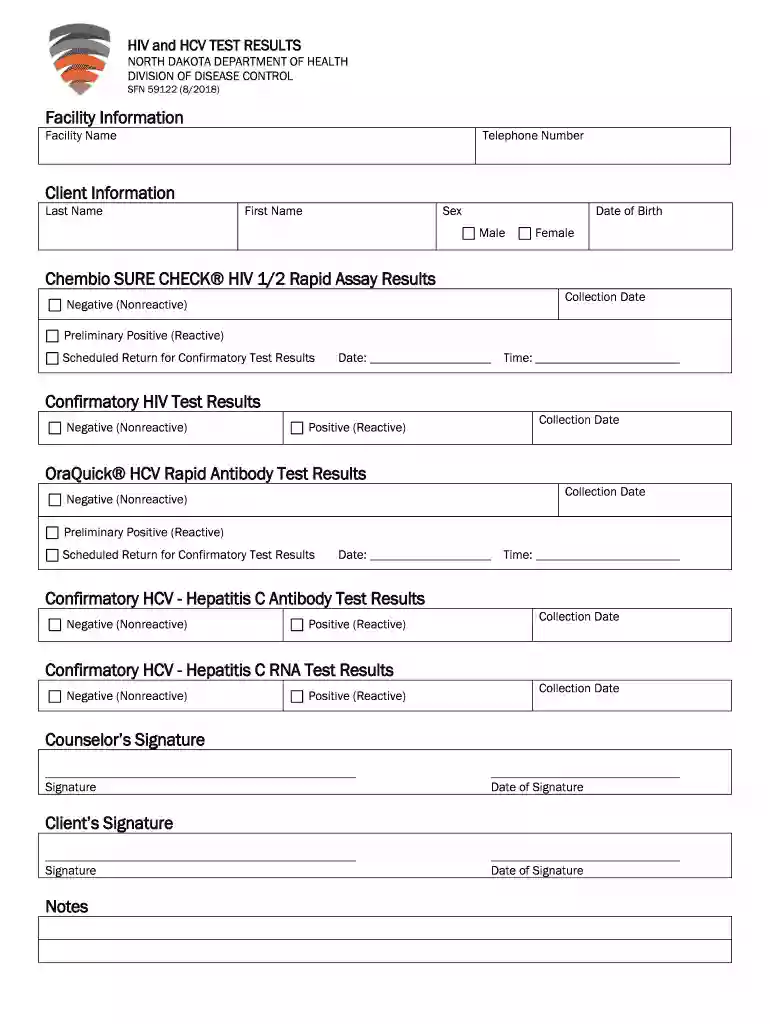
Type text, add images, blackout confidential details, add comments, highlights and more.

Draw your signature, type it, upload its image, or use your mobile device as a signature pad.

Send it via email, link, or fax. You can also download it, export it or print it out.
The "CTR Policy and Procedure Manual - North Dakota Department" serves as a comprehensive guide for individuals and organizations involved in conducting or managing HIV and HCV testing in North Dakota. The manual outlines procedural requirements and standards to ensure consistent practices across testing sites. By encapsulating detailed protocols, the document provides clarity on the responsibilities and expectations for counselors and healthcare providers.
The manual is designed to be a practical resource that guides users through each phase of the testing process. By following the structured guidelines, testing centers ensure compliance with state standards and enhance the reliability of test results.
Accessing the manual involves specific steps to ensure that all testing personnel have the latest version. This aligns with state measures to maintain high testing standards.
For those managing test results, understanding how to properly complete the associated documentation is essential. These steps detail how to finalize entries within the manual efficiently.
The manual is a crucial resource for various professional users within the healthcare system, ensuring that each entity performs their roles with precision and adherence to standards.


Understanding key terminology is vital for effectively using the manual. These terms clarify specific processes and responsibilities involved in the testing procedures.
Adhering to legal guidelines is a fundamental aspect of using this manual. Compliance with legal standards ensures that the testing process remains credible and accountable.
Procedures outlined in the manual conform to North Dakota’s specific legal and health requirements. Awareness of these state-specific rules is critical for anyone conducting tests.
Non-compliance with the guidelines outlined in the CTR manual can result in severe penalties, highlighting the importance of adherence for all testing personnel.
We've got more versions of the CTR Policy and Procedure Manual - North Dakota Department ... form. Select the right CTR Policy and Procedure Manual - North Dakota Department ... version from the list and start editing it straight away!
Yes, you’ll find numerous applications for this on the web. Nevertheless, if you need to eSign your CTR Policy and Procedure Manual - North Dakota Department ... without installing extra software, DocHub is the best choice you can make. This powerful editor works on mobile devices just as on desktops. Open our editor in any internet browser, register or sign in to your account, and start processing your documents.
Document editing with DocHub is equally convenient on desktop and mobile devices. You only need an internet browser to modify your CTR Policy and Procedure Manual - North Dakota Department ... on Android. Open our website and sign in to access the instruments you require. Add your document and introduce your intended modifications. Next, you can keep your form in your document storage or send it out instantly.
At DocHub, your data security is our priority. We follow HIPAA, SOC2, GDPR, and other standards, so you can work on your documents with confidence.
The report distribution facility consists of a started task, the z/OS and OS/390 batch capture interface, CICS administration and monitoring facilities,Read more
by JJ OKONEK Cited by 2 CODE 75-04-06-02.1 (2018) (explaining North Dakotas eligibility paraments for children aged three and above to receive services under the North Dakota. Read more
These standards and procedures guide the management of cases in the North Dakota trial courts. They are not intended and may not form the basis to change orRead more


