



01. Edit your 106 2020 online
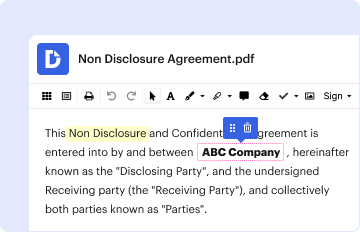
Type text, add images, blackout confidential details, add comments, highlights and more.


Type text, add images, blackout confidential details, add comments, highlights and more.

Draw your signature, type it, upload its image, or use your mobile device as a signature pad.

Send 106 co via email, link, or fax. You can also download it, export it or print it out.
The "Colorado S" form is primarily a designation used for tax purposes, specifically concerning S Corporations operating within Colorado. S Corporations are corporate entities in which income, losses, deductions, and credits pass through to shareholders for federal tax purposes. The form is thus critical in detailing the income allocations and tax obligations for these entities. This nuanced structure allows businesses to avoid double taxation on corporate income, a benefit highly valued by small to medium-sized businesses seeking tax efficiency.
The main aspects of the Colorado S form involve reporting income distribution among shareholders and ensuring compliance with both state and federal tax laws. Essential elements include:
This information is crucial for understanding a business's financial health and ensuring tax obligations are met accurately and efficiently.
To effectively use the Colorado S form, businesses need to gather pertinent financial information and accurately report it. The process typically begins with calculating the total income and allowable deductions, followed by apportioning income based on the percentage of business activity conducted within Colorado. It is important to:
Practicing diligent record-keeping and utilizing accounting software can aid in accurately managing the form's requirements.
Completing the Colorado S form involves several precise steps to ensure compliance and accuracy:
Completing these steps meticulously can prevent errors and reduce the risk of potential penalties.
The Colorado S form is used chiefly by businesses established as S Corporations in Colorado. It caters to:
These groups use the form to ensure transparency and adherence to both state and national tax obligations.


Legally, the Colorado S form is a vital component for S Corporations for state tax filings. It ensures businesses:
Corporations benefit from understanding the legal implications and obligations tied to using the form.
Familiarity with key terms aids in the effective use of the Colorado S form:
Understanding these terms can guide stakeholders through the complexities of corporate tax compliance.
The IRS provides clear guidelines for S Corporations, emphasizing:
Following IRS guidelines ensures the business remains in good standing with both federal and state tax agencies.
Key dates related to the filing of the Colorado S form are crucial for compliance:
Meeting these deadlines is imperative to avoid additional taxes or penalties, aiding in seamless fiscal management for S Corporations.
We've got more versions of the 106 2020 form. Select the right 106 2020 version from the list and start editing it straight away!
| Versions | Form popularity | Fillable & printable |
|---|---|---|
| 2025 | 4.5 Satisfied (30 Votes) | |
| 2024 | 4.2 Satisfied (35 Votes) | |
| 2023 | 4.1 Satisfied (60 Votes) | |
| 2020 | 4.8 Satisfied (73 Votes) | |
| 2019 | 4.2 Satisfied (117 Votes) | |
| 2018 | 4.4 Satisfied (119 Votes) | |
| 2016 | 4.4 Satisfied (501 Votes) | |
| 2015 | 4.1 Satisfied (36 Votes) | |
| 2014 | 4 Satisfied (32 Votes) | |
| 2013 | 4 Satisfied (37 Votes) | |
| 2011 | 4.2 Satisfied (41 Votes) |
At DocHub, your data security is our priority. We follow HIPAA, SOC2, GDPR, and other standards, so you can work on your documents with confidence.


