



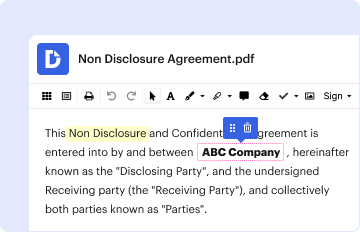
01. Edit your form online
Type text, add images, blackout confidential details, add comments, highlights and more.

Type text, add images, blackout confidential details, add comments, highlights and more.
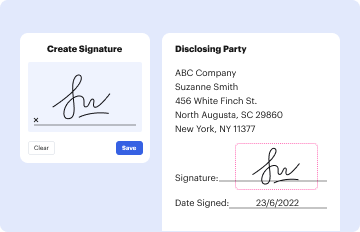
Draw your signature, type it, upload its image, or use your mobile device as a signature pad.
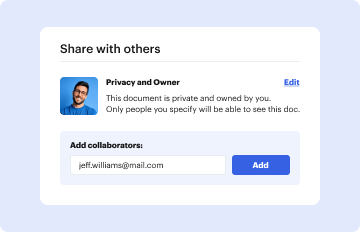
Send it via email, link, or fax. You can also download it, export it or print it out.
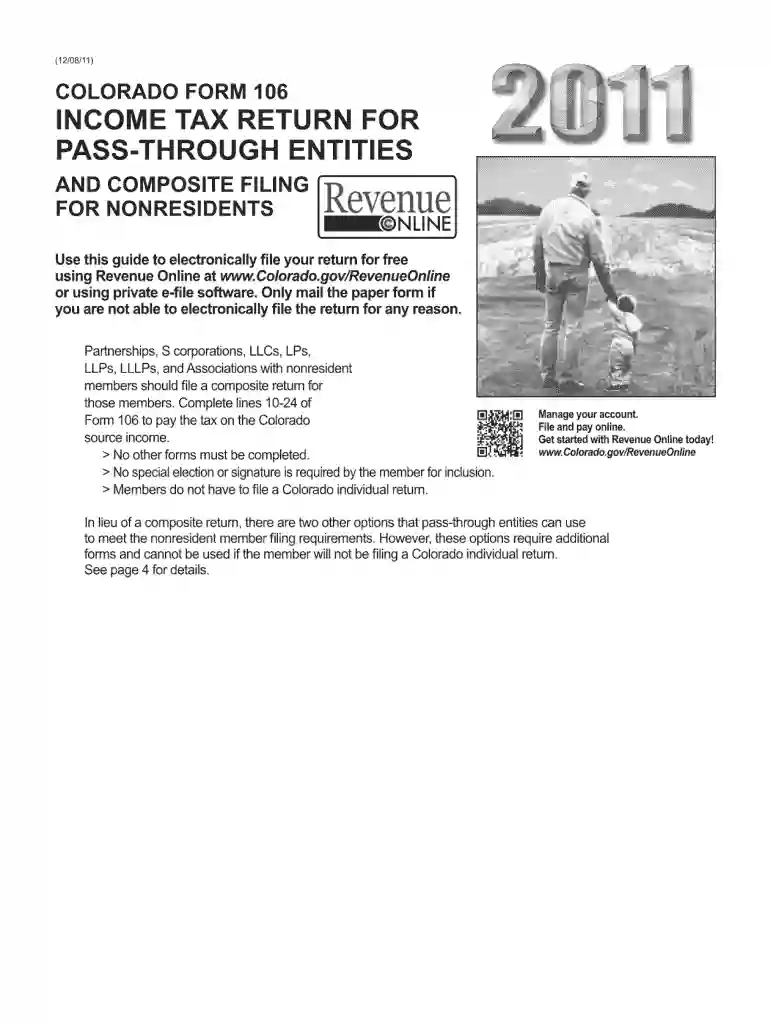
The 2011 106 Form, commonly referred to as "Form 106," is typically used for tax purposes, although the specific nature and function of this form can vary depending on state and federal guidelines. Its primary application is within the U.S. tax code, where it often relates to the reporting of certain financial activities or obligations. Understanding the form's relevance involves recognizing its role within the broader context of tax reporting requirements, particularly how it interacts with other tax documents.
Acquiring the 2011 106 Form involves a straightforward process, largely determined by the issuing entity, which is typically a governmental tax authority like the IRS or state tax agency.
Completing the 2011 106 Form requires attention to detail and a thorough understanding of the information that needs to be disclosed.
The form comprises several sections, each requiring specific information to ensure compliance and accurate filing.
The 2011 106 Form must be used in compliance with U.S. tax laws, adhering to all instructions provided by the issuing body.
Different states may impose unique requirements or modifications on the form, necessitating an understanding of state-specific regulations.
Non-compliance with filing requirements set out in the 2011 106 Form can lead to significant consequences.
The 2011 106 Form is available in both digital and paper formats, each with its advantages and considerations.
We've got more versions of the 2011 106 form form. Select the right 2011 106 form version from the list and start editing it straight away!
| Versions | Form popularity | Fillable & printable |
|---|---|---|
| 2025 | 4.5 Satisfied (30 Votes) | |
| 2024 | 4.2 Satisfied (35 Votes) | |
| 2023 | 4.1 Satisfied (60 Votes) | |
| 2020 | 4.8 Satisfied (73 Votes) | |
| 2019 | 4.2 Satisfied (117 Votes) | |
| 2018 | 4.4 Satisfied (119 Votes) | |
| 2016 | 4.4 Satisfied (501 Votes) | |
| 2015 | 4.1 Satisfied (36 Votes) | |
| 2014 | 4 Satisfied (32 Votes) | |
| 2013 | 4 Satisfied (37 Votes) | |
| 2011 | 4.2 Satisfied (41 Votes) |
At DocHub, your data security is our priority. We follow HIPAA, SOC2, GDPR, and other standards, so you can work on your documents with confidence.
If a party introduces all or part of a statement, an adverse party may require the introduction, at that time, of any other part or any other statementRead more
Jun 30, 2011 The responsible office can delegate AMOC approvals only for ADs where the requester intends to restore an aircrafts structure to its type.Read more
Purpose: The purpose of this Benefits Administration Letter (BAL) is to provide information about the temporary decrease in the Social SecurityRead more


