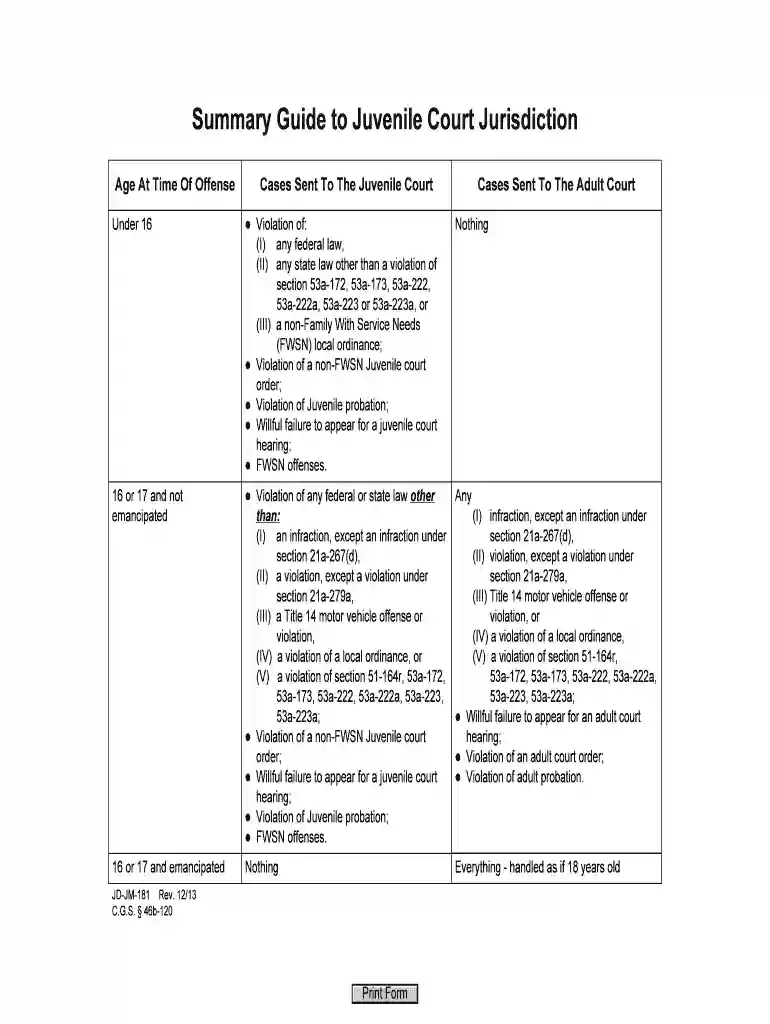
Local ordinance 223a 2026

Get Form
local ordinance Preview on Page 1

Here's how it works

01. Edit your local ordinance online
Type text, add images, blackout confidential details, add comments, highlights and more.

02. Sign it in a few clicks
Draw your signature, type it, upload its image, or use your mobile device as a signature pad.

03. Share your form with others
Send it via email, link, or fax. You can also download it, export it or print it out.

Definition and Meaning of Local Ordinance 223a

Local Ordinance 223a is a legal regulation enacted by a local government body to address specific issues within its jurisdiction. It holds the same legal authority as state or federal laws but is limited to the geographical boundaries of the issuing locality. Ordinance 223a typically pertains to municipal matters such as zoning, noise control, public safety, or business operations, aiming to maintain order and improve community welfare. This ordinance serves as a vital tool for local governments to tailor regulations based on specific community needs and priorities.

  • Purpose: It aims to regulate activities that affect the local community's daily functioning, health, or environment.
  • Scope: Covers specific aspects such as building codes, public behavior, and land use, among others.

How to Use Local Ordinance 223a

Understanding and applying Local Ordinance 223a involves recognizing the specific legal requirements it imposes and how they affect individuals and businesses within the locality. One must:

  1. Review the Text: Read through the full text of the ordinance to understand its stipulations and requirements.
  2. Identify Applicability: Determine if the ordinance applies to your situation, whether personal or business-related.
  3. Compliance Steps: Follow the outlined steps to ensure compliance, which may involve adjusting behaviors, submitting applications, or obtaining permits.

Examples include homeowners following zoning regulations for property improvements or businesses adhering to signage codes.

Steps to Complete Local Ordinance 223a

Completing any procedural obligations under Local Ordinance 223a requires several systematic steps:

  1. Research Requirements: Obtain the ordinance document via the local government’s website or office.
  2. Prepare Documents: Gather necessary documentation, which might include property deeds, business licenses, or environmental impact assessments.
  3. Fill Required Forms: Complete any relevant application forms, ensuring that all required fields are correctly filled in.
  4. Submit Applications: Submit the forms and accompanying documents to the designated local authority office, either online or in person.
  5. Follow Up: Monitor your application's status and respond to any additional requests from the issuing office promptly.

Key Elements of Local Ordinance 223a

Local Ordinance 223a comprises several critical components essential for its implementation and enforcement:

  • Definitions: Clearly outlines key terms used within the ordinance to prevent ambiguities.
  • Responsibilities: Specifies the obligations of individuals or businesses under the ordinance.
  • Penalties: Details the consequences of non-compliance, which could include fines, legal actions, or other sanctions.
  • Permits or Licenses: May require obtaining specific permits or licenses to comply with the ordinance.

Legal Use of Local Ordinance 223a

Legal use involves adhering to the ordinance’s stipulations for lawful activities:

  • Regulation Compliance: Ensuring that personal or business operations conform to prescribed standards.
  • Dispute Resolution: Using the ordinance as a reference in legal proceedings or disputes regarding compliance issues.
  • Community Enforcement: Local authorities enforce the ordinance to address violations and maintain community standards.

State-by-State Differences in Local Ordinance 223a

Local Ordinance 223a can vary considerably between different states or municipalities due to:

  • Local Priorities: Different regions have unique concerns, leading to variations in regulations.
  • State Laws Interaction: How local ordinances align with or differ from broader state laws.

For example, noise ordinances might be stricter in densely populated urban areas compared to rural regions.

Penalties for Non-Compliance with Local Ordinance 223a

Failing to comply with Local Ordinance 223a can result in:

  • Fines: Financial penalties imposed by the local governing body.
  • Legal Proceedings: Potential court appearances or orders to correct violations.
  • Revocation of Permits: Loss of previously granted permissions, affecting business operations or development projects.

Software Compatibility with Local Ordinance 223a

For managing documentation and submissions related to Local Ordinance 223a, compatibility with digital tools can enhance efficiency:

  • Document Platforms: Use platforms like DocHub for preparing and submitting digital copies of forms.
  • Integration with Cloud Services: Supports importing necessary documents from cloud storage like Google Drive for seamless workflow.

Digital vs. Paper Version of Local Ordinance 223a

The choice between digital and paper versions often depends on user preference and local government capabilities:

  • Digital Version: Offers convenience with features like electronic completion and submission.
  • Paper Version: Traditional choice that may be mandated where digital infrastructure is limited.

Digital versions allow for easier storage and sharing, while paper versions may hold legal precedence in certain localities.

See more local ordinance 223a versions

We've got more versions of the local ordinance 223a form. Select the right local ordinance 223a version from the list and start editing it straight away!
Versions Form popularity Fillable & printable
2021 4.9 Satisfied (25 Votes)
2019 4.4 Satisfied (105 Votes)
2013 4.4 Satisfied (180 Votes)
be ready to get more

Complete this form in 5 minutes or less

Get form

Got questions?

We have answers to the most popular questions from our customers. If you can't find an answer to your question, please contact us.
Contact us
A zoning ordinance is a municipal law that outlines permitted uses for various sections of land. Thus, some lands may be dedicated to industrial use, while others may be set aside for residential or commercial use only. A zoning ordinance may also regulate building height, restrict sound, or require open space.
Cities are typically administered under a city manager form of government. The city manager is appointed by the city council to enforce ordinances, direct daily city operations, prepare the city budget, and implement the councils policies and programs.
An ordinance violation is a charge issued by a municipal government for violating local municipal rules. An ordinance violation is not considered a criminal matter.
Byelaws are enforced by the local authority through the magistrates court and contravening a byelaw can result in a fine upon successful conviction.
A Code Enforcement Officer is a sworn or non-sworn inspector, officer or investigator, employed by a city, or county, or city and county, who possesses specialized training in, and whose primary duties are the prevention, detection, investigation, and enforcement of violations of laws regulating public nuisance,

Security and compliance

At DocHub, your data security is our priority. We follow HIPAA, SOC2, GDPR, and other standards, so you can work on your documents with confidence.

Learn more
ccpa2
pci-dss
gdpr-compliance
hipaa
soc-compliance
be ready to get more

Complete this form in 5 minutes or less

Get form

People also ask

Preemption occurs when law at a higher level of government is used to overrule authority at a lower level. State law can be used to preempt local ordinances, and federal law can be used to preempt state or local law.
An ordinance is a law created by a local government, such as a city council or county board of supervisors. Local governments can only create laws on matters that the state government says they can. Ordinances can cover a variety of topics, including things like zoning and rental building requirements.

Related links