






Understanding the 96 Well Plate Template
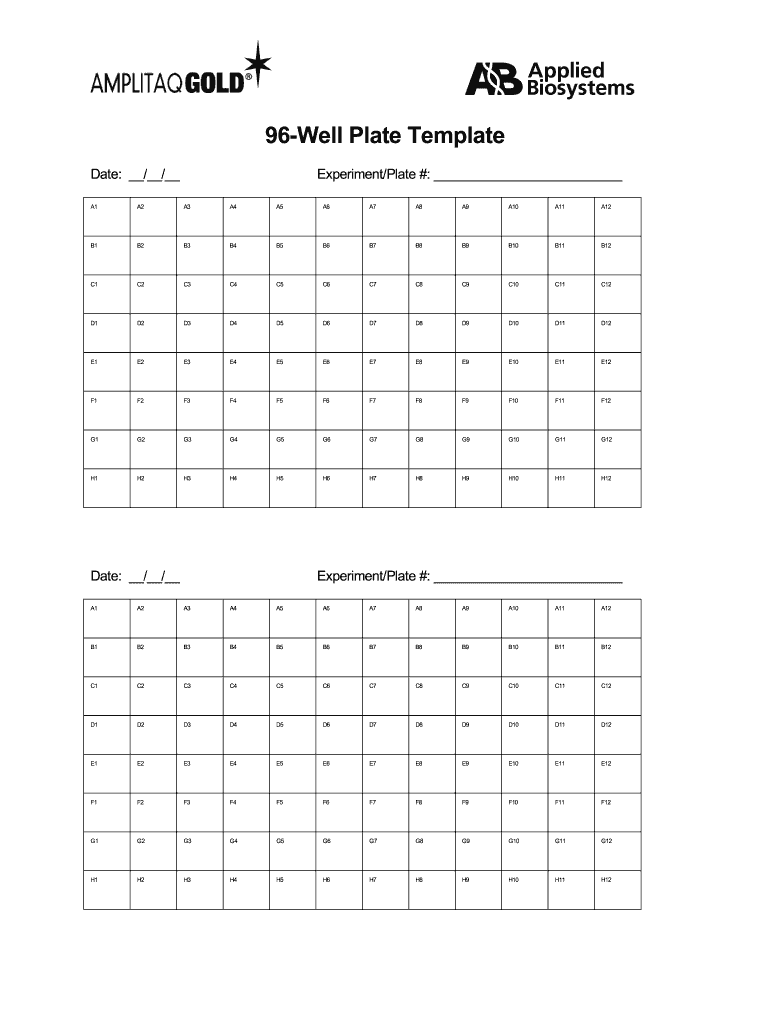
A 96 well plate template is an essential tool for organizing and documenting experiments using a standardized grid layout. The template facilitates accurate data recording and analysis in various biological, chemical, and pharmacological applications. Each well in the plate serves as an experimental unit, enabling precise replication and tracking of results across multiple samples.
Layout and Design Features
The design of a 96 well plate template typically consists of an 8 by 12 grid, containing ninety-six individual wells. Each well is labeled with a unique identifier, often using a combination of letters and numbers (e.g., A1, B1, C1) to enhance clarity and ease of use. The layout may vary slightly depending on the specific application or source, but common features include:
- Clear Well Identification: Each well is marked to prevent confusion during experiments, enabling easy reference in data recording.
- Space for Sample Information: The template often includes designated sections for noting the sample type, concentration, or conditions.
- Room for Experimental Conditions: Users can jot down relevant details about procedures, such as treatment conditions or time points, directly onto the template.
Types of Available Templates
Users can find several formats of the 96 well plate template to suit different needs, such as:
- Printable 96 Well Plate Template PDF: Ideal for those who prefer physical documentation, enabling straightforward printing for immediate use in the lab.
- 96 Well Plate Template Editable in Word or Excel: Provides the flexibility to customize the template for specific experiments, allowing for easy adjustments.
- 96 Well Plate Template PowerPoint: Useful for presentations or educational purposes, enabling clear visual representation of experimental setups.
Practical Uses in Scientific Research
A 96 well plate template proves valuable in various research contexts, including:
- High-Throughput Screening: Researchers can assess multiple compounds or conditions simultaneously, saving time and resources in drug discovery.
- Enzyme Activity Studies: By performing assays in each well, scientists can systematically evaluate enzyme kinetics or inhibition.
- ELISA (Enzyme-Linked Immunosorbent Assay): The template aids in the organization of wells for standards, controls, and samples in immunoassays.
Advantages of Digital Templates
Digital 96 well plate templates offer several benefits:
- Easy Modifications: Users can quickly alter layouts, well labels, or experimental conditions to suit the specific needs of their studies.
- Integrated Data Recording: Data can be directly entered into digital templates, eliminating the need for transcription and reducing the risk of errors.
- Automated Analysis Compatibility: Digital formats, especially in Excel, facilitate integration with data analysis software, allowing for streamlined workflow from data collection to analysis.
Considerations for Effective Use
While utilizing a 96 well plate template, certain best practices should be observed:
- Consistency in Well Identification: Maintain a clear and consistent method for identifying wells to minimize confusion and errors in data entry.
- Documentation of Experimental Conditions: Ensure all relevant details, such as concentrations and controls, are documented alongside the template layout to bolster reproducibility.
- Regular Review and Updates: Evaluate the template's design periodically to ensure it continues to meet the evolving needs of experiments and adheres to best practices in laboratory protocols.
The 96 well plate template serves as a foundational tool in modern scientific research, streamlining data collection and enhancing experimental clarity. Through its structured layout and adaptability across various formats, researchers can effectively manage complex experimental designs and facilitate meaningful data analysis.