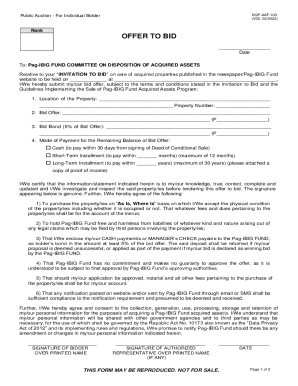
Understanding the Process to Fill PDFs in Arabic
Filling PDFs in Arabic requires an understanding of the tools and methods available for Arabic text input and document management. Platforms like DocHub provide a user-friendly interface for editing and adding Arabic text to your PDF documents. Users can leverage these tools to ensure their documents are correctly formatted and presentable.
Choosing the Right Tool for Arabic PDF Editing
When looking to fill PDFs in Arabic, it is essential to select a platform that supports Arabic characters adequately. Many PDF editors may have limitations with Arabic text, causing characters to appear disjointed or reversed. Look for features that include:
- Arabic Language Support: Ensure the editor can handle complex scripts typical of Arabic writing.
- Rich Text Editing: This allows you to format your Arabic text with the necessary font styles and sizes.
- Document Preview: Before finalizing your fillable PDF, a preview can help confirm everything appears correctly.
Steps to Fill Out a PDF Form in Arabic
-
Upload Your PDF: Start by uploading the PDF file to your preferred editing tool, such as DocHub. This can be done via cloud storage services or by direct upload from your device.
-
Select Text Addition Tools: Once your document is uploaded, locate the text input feature. Most platforms offer an option to add text boxes.
-
Enter Arabic Text: Use your keyboard or an on-screen keyboard to type in Arabic. Ensure you're using an Arabic word processor or the built-in text option in the PDF editor where you have switched the language.
-
Format Your Text: Adjust font types, sizes, and colors as needed. It is crucial to check how the text blends with the existing format of the PDF to maintain a professional appearance.
-
Save Your Document: Once all necessary fields are filled, save the document. Most platforms will allow you to export your PDF back into popular formats or as a PDF with your filled details preserved.
Tips for Successful Arabic PDF Completion
-
Check for Errors: After entering text in Arabic, review it for typos or formatting issues. Some editors may not display certain characters correctly.
-
Required Fields: If filling out forms, ensure that any required fields related to the Arabic text are clearly marked and completed to avoid document validation errors.
-
Use Templates: If frequently filling similar forms, consider creating templates where Arabic text is prefilled or formatted to save time in future tasks.
Best Practices for Collaborating on PDFs in Arabic
Using collaborative tools like DocHub can enhance the process when multiple people are involved in filling out a PDF in Arabic. Here are ways to ensure effective collaboration:
-
Commenting and Annotations: Utilize commenting features to provide feedback or clarify certain areas requiring more attention.
-
Real-Time Updates: When multiple users edit the same document, ensure that real-time updates are enabled so all contributors are working on the latest version.
-
Access Control: Set user permissions regarding who can edit or view the document, which helps manage confidentiality, especially in official documents.
Conclusion
Filling PDFs in Arabic can be straightforward when using the right tools and following a structured approach. From selecting a supportive PDF editor to ensuring collaborative features are in place, these steps and strategies will help streamline the document completion process effectively.