Letter from Landlord to Tenant that Sublease granted - Rent Paid by Subtenant, Old Tenant Released from Liability for Rent - Indiana 2026

Get Form
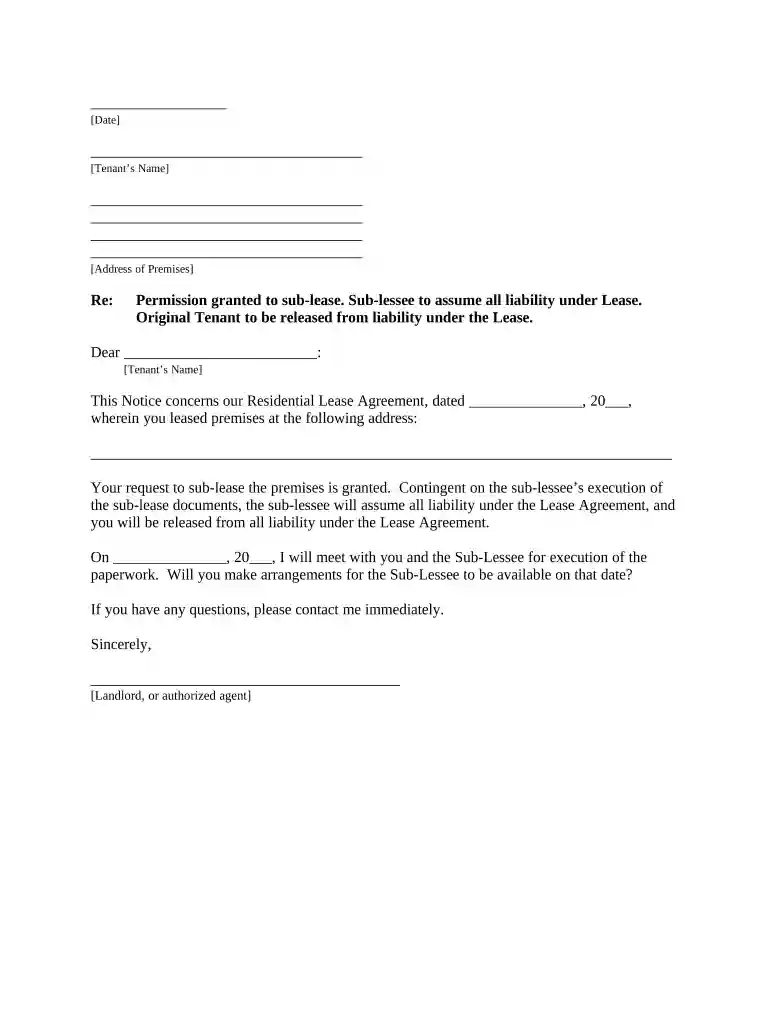
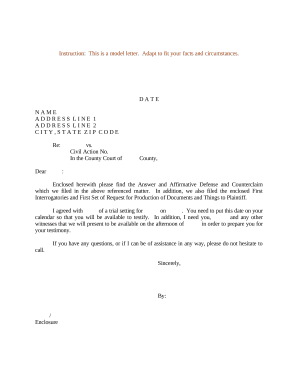
Letter from Landlord to Tenant that Sublease granted - Rent Paid by Subtenant, Old Tenant Released from Liability for Rent - Indiana Preview on Page 1

Here's how it works

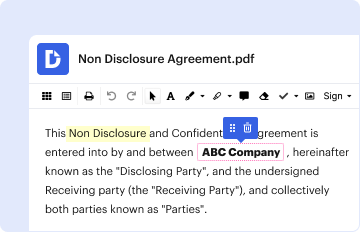
01. Edit your form online
Type text, add images, blackout confidential details, add comments, highlights and more.

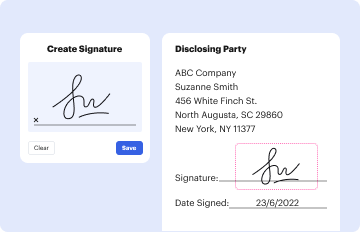
02. Sign it in a few clicks
Draw your signature, type it, upload its image, or use your mobile device as a signature pad.

03. Share your form with others
Send it via email, link, or fax. You can also download it, export it or print it out.

How to use or fill out Letter from Landlord to Tenant that Sublease granted - Rent Paid by Subtenant, Old Tenant Released from Liability for Rent - Indiana

Form edit decoration
9.5
Ease of Setup
DocHub User Ratings on G2
9.0
Ease of Use
DocHub User Ratings on G2
  1. Click ‘Get Form’ to open it in the editor.
  2. Begin by entering the date at the top of the letter. This is crucial for record-keeping.
  3. Fill in the tenant’s name and address of the premises where indicated. Ensure accuracy to avoid any confusion.
  4. In the body of the letter, specify the original lease agreement date and address of the leased premises. This provides context for both parties.
  5. Clearly state that permission is granted for sub-leasing and outline that the sub-lessee will assume all liabilities under the lease agreement.
  6. Indicate a meeting date for executing paperwork with both tenant and sub-lessee, ensuring all parties are informed.
  7. Finally, sign off with your name as the landlord or authorized agent, and include a proof of delivery section to confirm how this notice was delivered.

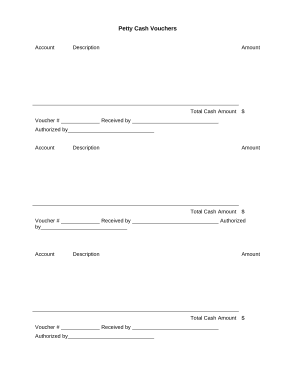
Start using our platform today to easily fill out and manage your rental documents online for free!

be ready to get more

Complete this form in 5 minutes or less

Get form

Got questions?

We have answers to the most popular questions from our customers. If you can't find an answer to your question, please contact us.
Contact us
While the terms subletting and subleasing are often used interchangeably, there is a critical difference between the two. In a sublet, the new tenant has a contract directly with the landlord while in a sublease, the new tenant has a contract with the original tenant and no contract with the landlord.
If the lessee transfers his or her entire remaining interest in the tenancy, then the transfer is known as an assignment. If the lessee transfers only part of his or her interest, then the transfer is known as a sublease.
Landlords have the right to deny subletting requests under state law, but they need to base their refusal on legally valid reasons. These reasons can include: The prospective subtenant has poor credit or cant prove they can afford the rent. Allowing the sublet would result in too many people living in the unit.
Tenant Liability After Assignment In an assignment, the original tenant generally remains liable to the landlord for tenant responsibilities, including rent payments and property maintenance, unless explicitly released.
If the landlords contract is with the tenant, the tenant is responsible to the landlord for damages and back rent. The tenant may sue the subletter based on their Sublease Agreement, if they have one, to recover what the landlord recovers from the tenant.

Security and compliance

At DocHub, your data security is our priority. We follow HIPAA, SOC2, GDPR, and other standards, so you can work on your documents with confidence.
Learn more
ccpa2
pci-dss
gdpr-compliance
hipaa
soc-compliance

People also ask

The first tenant remains fully responsible for all of the obligations of the lease. Neither assignment nor subletting releases the tenant from liability to the landlord. If the lease requires the landlords permission to assign or sublease, the landlord cannot arbitrarily or unreasonably reject a substitute tenant.
A lease assignment agreement allows a tenant (assignor) to transfer their rights and obligations under a lease to another party (assignee). This transfer typically includes responsibilities such as paying rent, maintaining the property, and complying with lease terms.
With a sublease, the lessor of the head lease will continue to account for their lease the same as before. Additionally, the accounting treatment of the sublease by the sublessee will be no different than other leases.

Related links