




Definition and Key Elements of the AU Queensland Statutory Declaration
An AU Queensland statutory declaration is a legally binding document where an individual declares that certain statements made within the document are true to the best of their knowledge. This process is governed by the Oaths Act 1867 - 1988 in Queensland. Statutory declarations are often used in legal situations where a person's testimony is needed but their presence cannot be secured.
Key Elements of a Queensland Statutory Declaration
- Personal Information: The declarant must provide their full name, address, and date of birth.
- Statement of Truth: A detailed statement outlining the facts or information the declarant affirms as true.
- Signature: The document must be signed in the presence of an authorized witness, such as a justice of the peace or commissioner for declarations.
- Witness Information: The witness must also include their name, title, and signature on the document to validate its authenticity.
Steps to Complete the AU Queensland Statutory Declaration
Completing a statutory declaration involves a systematic process designed to ensure accuracy and legality. The following steps outline how to effectively complete an AU Queensland statutory declaration.
- Gather Required Information: Collect all relevant information you wish to declare, ensuring it is clear and accurate.
- Choose the Correct Form: Use the statutory declaration form specific to Queensland, available in various formats including PDF and Word.
- Fill out the Form: Provide your personal details, followed by the statement of truth regarding the information you are declaring.
- Review for Accuracy: Double-check all entries for correctness to prevent any legal issues that may arise from false information.
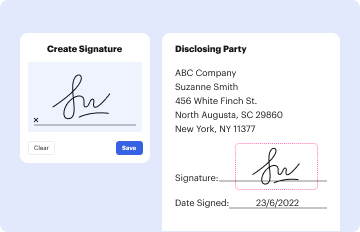
- Sign in Presence of Witness: Sign the declaration in the presence of an authorized witness who will attest to the declaration.
- Obtain Witness Signature: After your signature, the witness will sign the document, providing their credentials.
- Submit the Declaration: Depending on the context, submit your completed statutory declaration to the required organization or authority.
Important Considerations
- Ensure that the witness is eligible to witness statutory declarations.
- Consider keeping a copy of the signed declaration for your records.
Legal Use and Importance of the AU Queensland Statutory Declaration
The statutory declaration is a versatile document with significant legal applications. It can serve multiple purposes across different sectors and situations, reinforcing its importance.
Common Uses
- Legal Proceedings: Often used in court cases to affirm facts without the need for the declarant to appear.
- Government Applications: Required in various applications, such as for licenses or other governmental permissions.
- Personal Matters: Can be used for declarations regarding property matters or personal identification issues.
Why Use a Statutory Declaration?
- Efficiency: Provides a streamlined process for affirming facts without requiring formal court testimony.
- Legitimacy: Establishes a legal record of the declarant's statements, which can be enforced in certain circumstances.
Obtaining the AU Queensland Statutory Declaration
Obtaining a statutory declaration form in Queensland is straightforward and can be done through several means. Individuals require access to a properly formatted version of the form to ensure compliance with legal standards.
How to Obtain the Form
- Online Sources: Visit official government websites or legal document platforms offering downloadable forms.
- Legal Offices: Request a form from legal firms or offices that provide services related to statutory declarations.
- Public Libraries: Some public libraries may offer statutory declaration forms, alongside assistance in filling them out.
Variants of the Form
There are different formats of the statutory declaration form, including:
- Printable PDF: For individuals who prefer to fill forms by hand.
- Word Format: Useful for those who want to type their declarations directly.
Examples of Using the AU Queensland Statutory Declaration
Real-world scenarios highlight the application and necessity of statutory declarations in Queensland.
Practical Applications
- Affidavits in Family Law: A person may use a statutory declaration to attest to details relevant to child custody disputes.
- Property Claims: An individual may declare ownership or the right of possession over property when the original documents are lost.
Example Scenarios
- Loan Applications: When applying for loans or mortgages, lenders frequently require statutory declarations concerning income or property ownership.
- Employment: Employers may ask new hires to declare details about their identity or previous employment.
Important Terms Related to AU Queensland Statutory Declaration
Understanding specific terminology related to statutory declarations can improve clarity and avoid confusion.
- Declarant: The person making the declaration.
- Authorized Witness: An individual qualified to witness and validate statutory declarations, such as a lawyer or police officer.
Related Terms
- Affidavit: A sworn statement made before an authorized officer, similar in purpose to a statutory declaration.
- Commissioner for Declarations: A legal officer in Queensland authorized to witness statutory declarations.
By understanding these elements, users can effectively navigate the process of executing a statutory declaration in Queensland, ensuring the declaration serves its intended legal purpose.