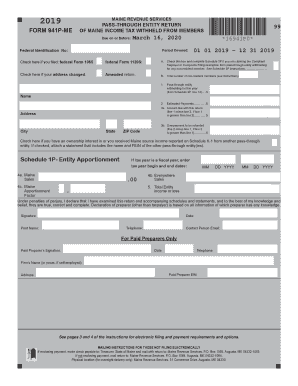



CYTOGENETIC REQUISITION Patient Information OTHER THAN 2025

Get Form
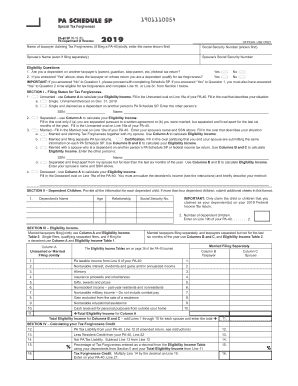
CYTOGENETIC REQUISITION Patient Information OTHER THAN Preview on Page 1

Here's how it works

01. Edit your form online
Type text, add images, blackout confidential details, add comments, highlights and more.
02. Sign it in a few clicks
Draw your signature, type it, upload its image, or use your mobile device as a signature pad.
03. Share your form with others
Send it via email, link, or fax. You can also download it, export it or print it out.

How to use or fill out CYTOGENETIC REQUISITION Patient Information OTHER THAN

Form edit decoration
9.5
Ease of Setup
DocHub User Ratings on G2
9.0
Ease of Use
DocHub User Ratings on G2
  1. Begin by clearly printing your name in the designated 'Name' section, including both surname and first name.
  2. Fill in your address accurately to ensure proper communication. This is crucial for any follow-up regarding your requisition.
  3. Enter your date of birth in the format DD/MM/YY, and select your sex by marking either 'M' or 'F'.
  4. Provide your health card number as this information is mandatory for processing the specimen.
  5. Complete the 'Ordering Physician' section with the physician's surname and first name who is requesting the test.
  6. Indicate whether the sample is routine or urgent, and if applicable, provide details about any pregnancy at risk.
  7. Specify the testing requested by checking appropriate boxes and providing clinical indications where necessary.

Explore our platform today to streamline your document editing and form completion process for free!

See more CYTOGENETIC REQUISITION Patient Information OTHER THAN versions

We've got more versions of the CYTOGENETIC REQUISITION Patient Information OTHER THAN form. Select the right CYTOGENETIC REQUISITION Patient Information OTHER THAN version from the list and start editing it straight away!
Versions Form popularity Fillable & printable
2013 4 Satisfied (22 Votes)
be ready to get more

Complete this form in 5 minutes or less

Get form

Got questions?

We have answers to the most popular questions from our customers. If you can't find an answer to your question, please contact us.
Contact us
Cytogenetics is a branch of biology focused on the study of chromosomes and their inheritance, especially as applied to medical genetics. Chromosomes are microscopic structures containing DNA that reside within the nucleus of a cell.
Cytogenetic testing is the examination of chromosomes to determine chromosome abnormalities such as aneuploidy and structural abnormalities. A normal human cell contains 23 pairs of chromosomes, including 22 pairs of autosomes and a pair of sex chromosomes (XX or XY).
There are three major methods of cytogenetic testing: Routine karyotyping. Fluorescent in situ hybridisation (FISH) Comparative genomic hybridisation (CGH) and array comparative genomic hybridisation (aCGH).
In summary, cytogenetic tests analyze the structure and number of chromosomes, while molecular genetic tests focus on studying specific genes and DNA sequences.
Cytogenetic testing is recommended for individuals with certain conditions, such as congenital disabilities, developmental delays, intellectual disability, autism, or certain types of cancer.